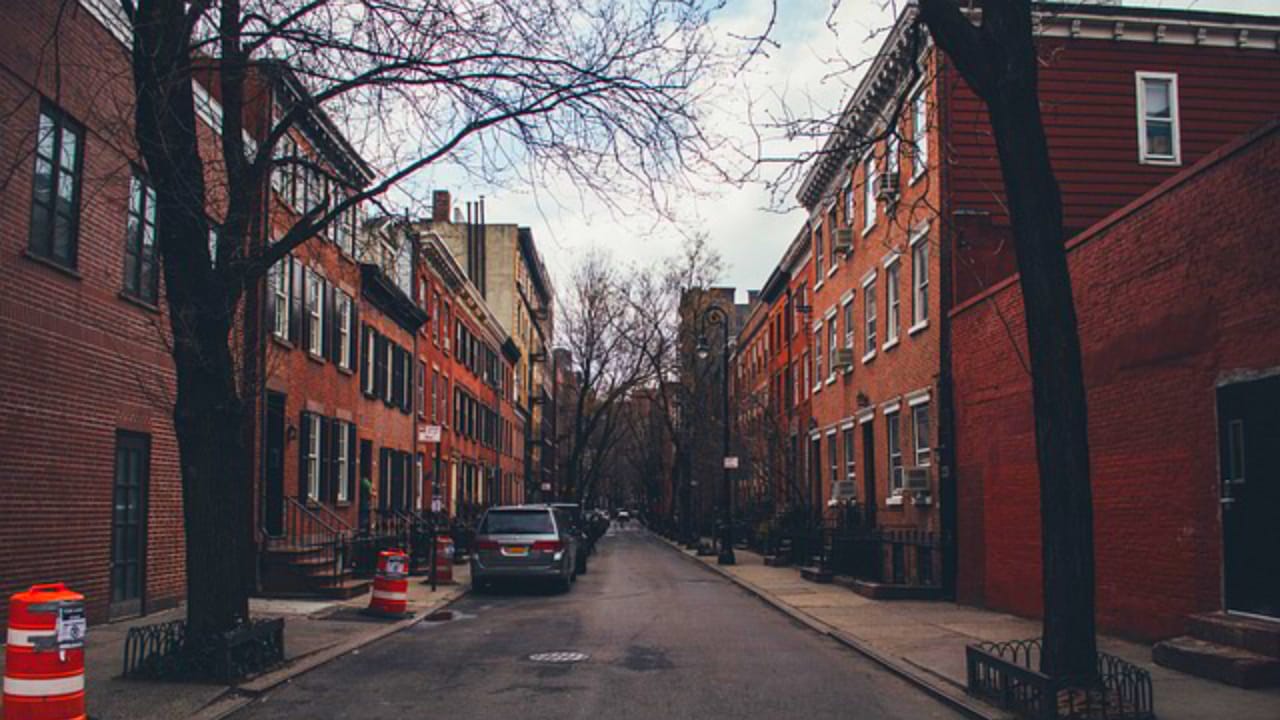
There is a particular kind of magic that happens the moment you step off a subway platform at West 4th Street and into the tangle of tree-lined streets that make up Greenwich Village. The grid of Manhattan’s avenues dissolves into crooked lanes that seem to have been laid out by accident rather than design.
Townhouses lean shoulder to shoulder in brick and ivy, jazz drifts out of basement doorways, and somewhere down the block a street musician is playing to an audience of pigeons and tourists alike. If you want to understand why New York City has captured the imagination of writers, artists, and dreamers for more than a century, a Greenwich Village walking tour is the single best way to feel it for yourself.
This guide is built for travelers who want an experience first approach less checklist, more immersion. Whether you’re joining a guided tour or exploring solo with this article as your map, you’ll come away with a genuine sense of why Greenwich Village remains one of the most beloved, walkable, and endlessly photogenic neighborhoods in New York City.
Why Greenwich Village Is Made for Walking
Unlike much of Manhattan, Greenwich Village was never forced into the rigid street grid imposed on the rest of the island in 1811. The neighborhood grew organically from an old village and farmland, which is exactly why its streets curve, intersect at odd angles, and occasionally repeat names in confusing ways (yes, West 4th Street really does cross West 10th Street look it up).
That irregularity is a gift to anyone exploring on foot. Every turn reveals something new: a hidden courtyard, a jazz club with no sign, a brownstone stoop where a famous poet once sat. A Greenwich Village walking tour rewards curiosity.
This is a neighborhood best experienced at a slow pace, with plenty of pauses to look up at architectural details, duck into a bookstore, or grab a espresso and watch the world go by. Unlike the towering scale of Midtown or the corporate sheen of the Financial District, the Village feels human-sized, intimate, and, in the best way, a little bit secretive.
Where to Begin Washington Square Park
Nearly every great Greenwich Village walking tour starts at Washington Square Park, the beating heart of the neighborhood and the unofficial front lawn of New York University. The park’s iconic marble arch, modeled after the Arc de Triomphe in Paris, has welcomed visitors since 1892 and remains one of the most photographed landmarks in downtown Manhattan.
Spend a few minutes here before heading deeper into the Village. Watch the chess players clustered around their stone tables in the southwest corner, listen to a street pianist tucked near the fountain, and take in the mix of students, performers, dog walkers, and NYU faculty who make this park feel perpetually alive.
Washington Square Park has a rebellious history to match its lively present: it began as a public burial ground and later hosted public hangings before evolving into the cultural gathering space it is today. That layered history genteel park built atop a darker past is a fitting overture for a neighborhood defined by reinvention.
From the park, most walking routes head west and north into the maze of streets that make the Village famous.
MacDougal Street and the Beat Generation Trail
Head west out of the park onto MacDougal Street, and you’re instantly walking through literary history. In the 1950s and 60s, this stretch of the Village became ground zero for the Beat Generation and the folk revival. Coffeehouses that once hosted late-night poetry readings and impromptu guitar sets still line these blocks, even if their names and owners have changed over the decades.
This is where a young Bob Dylan played some of his earliest New York sets, where poets read verse into the small hours, and where the counterculture of mid-century America first found its footing. Even if the original venues have been replaced by newer businesses, the atmosphere lingers narrow storefronts, string lights, and a sense that something creative could break out at any moment.
Take your time wandering these blocks. Peek down Minetta Lane and Minetta Street, two of the most charming and crooked byways in the entire city, said to trace the buried path of Minetta Brook, a stream that once ran through the area before the city grew up around it.
Bleecker Street Music, Food, and a Living Timeline
No Greenwich Village walking tour is complete without a stretch of Bleecker Street. This long, winding thoroughfare cuts through the heart of the neighborhood and offers a bit of everything: legendary music clubs, Italian bakeries with roots stretching back generations, boutique shops, and some of the best people-watching in the city.
Bleecker Street’s western end, near Christopher Street, retains a bohemian, music-club energy that recalls its heyday as a folk and rock scene. Walking east, the street transitions into what was once known as Manhattan’s “Little Italy of the Village,” where century-old bakeries and salumerias still perfume the sidewalk with the smell of fresh bread and roasted espresso beans.
This is a great spot to build in a food break. Grab a slice of pizza, a cannoli, or a strong cappuccino, and find a stoop or a small park bench to sit for a few minutes. Part of experiencing Greenwich Village is allowing yourself to slow down between landmarks this isn’t a neighborhood meant to be rushed.
Bleecker Street also rewards browsers. Small independent boutiques, vintage clothing shops, and specialty stores selling everything from vinyl records to handmade jewelry line the sidewalks between the food destinations.
Unlike the chain-heavy retail corridors found elsewhere in Manhattan, much of Bleecker Street still feels shaped by independent owners who have run their shops for years, sometimes decades. Even window shopping here becomes part of the immersive experience a reminder that the Village has always prized individuality over uniformity, whether in its architecture, its art, or its storefronts.
Christopher Street and Stonewall A Landmark of LGBTQ+ History
Continue toward Christopher Street, one of the most historically significant blocks not just in Greenwich Village but in American civil rights history. This is home to the Stonewall Inn, the site of the 1969 uprising widely credited with galvanizing the modern LGBTQ+ rights movement. In 2016, the surrounding area was designated the Stonewall National Monument, the first U.S. national monument dedicated to LGBTQ+ history and rights.
Across the street, Christopher Park offers a quiet space to pause and reflect, with sculptures commemorating the ongoing struggle for equality. Even a brief stop here adds real depth to a walking tour of the neighborhood this is a place where a single night of resistance changed the course of history, and the Village has remained a symbolic center of LGBTQ+ culture and community ever since.
Grove Court and Hidden Corners
One of the true joys of exploring Greenwich Village on foot is stumbling onto its hidden pockets tucked-away courtyards and mews that most visitors to New York never see. Grove Court, just off Grove Street, is a prime example: a small cluster of nineteenth-century brick row houses set back from the street behind an iron gate, glimpsed but rarely entered by passersby.
Nearby, Commerce Street curves in a way that defies the logic of a typical city block, home to the Cherry Lane Theatre, one of the oldest continuously operating Off-Broadway theaters in New York. Founded in 1924, it has hosted early works from playwrights who would go on to define American theater.
These quieter corners are where a self-guided walking tour truly shines. Give yourself permission to wander a block or two off any suggested route some of the best discoveries in Greenwich Village happen when you’re technically lost.
Nearby, Bedford Street holds its own quiet claims to fame, including one of the narrowest houses in New York City, squeezed into a lot barely wide enough for a single room per floor. A few doors down, a former speakeasy from the Prohibition era still operates behind an unmarked door, a holdover from an age when Greenwich Village’s tangle of streets made it an ideal place to hide in plain sight from the authorities.
Walking this stretch slowly, rather than rushing toward the next major landmark, is often when the neighborhood’s personality comes through most clearly in the small plaques, the odd architectural quirks, and the sense that every building has a story even when no sign explains it.
Jefferson Market Library and the Old Village Skyline
As you make your way back toward Sixth Avenue, look up. The Jefferson Market Library, with its distinctive red-brick Victorian Gothic clock tower, is one of the most recognizable silhouettes in the neighborhood. Originally built in the 1870s as a courthouse, it later served briefly as a women’s prison before being converted into a branch of the New York Public Library in the 1960s after a successful community preservation campaign.
The building is a useful landmark for orienting yourself if you’ve lost track of directions in the Village’s winding streets, and it’s also a striking reminder of the neighborhood’s long tradition of grassroots preservation Greenwich Village residents have fought for decades to protect their low-rise, historic character against the pressures of Manhattan development.
Washington Mews and the Row
Just north of Washington Square Park, tucked behind NYU buildings, is Washington Mews a private, cobblestone lane lined with converted carriage houses that once served the grand townhouses of “The Row” on Washington Square North. The Row itself, a stretch of Greek Revival rowhouses built in the 1830s, offers some of the best-preserved early nineteenth-century architecture in Manhattan.
This is a wonderful stretch for slow architectural appreciation. Notice the iron gates, the fanlights above doorways, the small details that separate a Greek Revival facade from the Federal-style buildings found elsewhere in the Village. Writers including Henry James and Edith Wharton drew inspiration from this very block, and it’s easy to see why the Row looks almost untouched by time.
Comedy, Jazz, and Nightlife Landmarks
Greenwich Village has long been a proving ground for American comedy and jazz, and many of the clubs that launched major careers are still operating today. As your walking tour winds down, consider routing past a few of these legendary venues, even if just to admire the marquees and imagine the performers who got their start on these small stages.
The neighborhood’s basement jazz clubs have hosted some of the most important names in twentieth-century music, while its comedy clubs have been credited with launching the careers of major stand-up comedians.
Even without stepping inside, walking past these storied doorways adds a layer of cultural texture to your experience of the Village this is a neighborhood where entertainment history isn’t confined to museums; it’s still being made nightly, just a few steps from where it began.
If your walking tour extends into the evening, consider ending near one of these clubs and capping off the day with a live set. There’s something fitting about closing out a day spent tracing the footsteps of Village legends by sitting in a small, dimly lit room listening to the next generation of musicians and comedians try to make their own mark on a neighborhood built on creative risk-taking.
Best Time of Day (and Year) to Walk Greenwich Village
Morning: Streets are quieter, bakeries are fresh out of the oven, and the light filtering through the Village’s tree canopy is especially beautiful for photography. This is the best time for a slower, more contemplative walking tour.
Afternoon: Washington Square Park comes alive with performers, students, and activity. This is peak energy for people-watching and soaking in the neighborhood’s social atmosphere.
Evening: Bleecker Street and Christopher Street shift into their nightlife personality, with music spilling out of clubs and restaurants filling with the dinner crowd. An evening walking tour pairs beautifully with a dinner reservation at one of the neighborhood’s many beloved restaurants.
As for season, spring and fall offer the most comfortable walking weather and the prettiest scenery, with cherry blossoms in April and golden foliage in October framing the neighborhood’s brownstones. Summer brings a lively, bustling energy but also crowds and heat, while winter especially around the holidays, when the Washington Square Arch is sometimes lit for the season has a quieter, almost storybook charm.
Guided Tour vs. Self-Guided Which Is Right for You?
Choose a guided walking tour if:
- You want expert storytelling and historical context woven into every stop
- You’re interested in a themed tour (literary history, LGBTQ+ history, food, architecture)
- You prefer a structured itinerary with a knowledgeable local leading the way
- You want access to anecdotes and details you wouldn’t find on your own
Choose a self-guided walking tour if:
- You prefer to move at your own pace and linger where you like
- You’re traveling with kids or a group with mixed interests
- You want the flexibility to duck into shops, cafes, or bookstores along the way
- You’re comfortable using a smartphone map or a printed guide like this one
Many visitors find the ideal approach is a hybrid: take a guided tour on your first visit to get oriented and hear the stories behind the landmarks, then return on a later trip to wander independently and revisit favorite spots at your own pace.
Themed tours are worth seeking out if you have a specific interest food-focused tours that pair landmarks with tastings, literary tours that trace the footsteps of famous writers, and history tours centered on LGBTQ+ landmarks are all popular options that add a distinct lens to the same walkable streets.
Practical Tips for Your Greenwich Village Walking Tour
- Wear comfortable shoes. The charm of the Village comes from its cobblestone lanes and uneven, historic sidewalks, which are not always flat or forgiving.
- Bring a portable phone charger. Between photos and navigation, phone batteries drain quickly on a full afternoon of exploring.
- Budget at least two to three hours. Rushing defeats the purpose. The neighborhood rewards travelers who allow time for spontaneous detours.
- Look up, not just around. Some of the best architectural details cornices, ironwork, hidden gargoyles are above eye level.
- Get a little lost on purpose. The Village’s irregular streets are part of its charm; some of the best discoveries happen off any planned route.
- Time your food stops. Bakeries and coffee shops in the neighborhood tend to be busiest on weekend mornings, so consider a weekday visit or an early start if you want a quieter experience.
FAQs
Is Greenwich Village walkable without a tour guide?
Absolutely. The neighborhood is compact, well-signed, and easy to navigate with a map or smartphone. A guided tour adds historical depth, but a self-guided walk using a route like the one in this article will still hit all the essential landmarks.
Is Greenwich Village safe to walk around?
es, the neighborhood is one of the most visited and well-trafficked areas of Manhattan, with a strong pedestrian presence throughout the day and into the evening.
What should I not miss on a first visit?
Washington Square Park, the Stonewall National Monument, Bleecker Street, and at least one detour down a quiet side street like Grove Court or Minetta Lane should be considered essential stops.
How long does a Greenwich Village walking tour take?
Most guided tours run between 90 minutes and two and a half hours, covering roughly 1.5 to 2 miles. A self-guided walk can easily stretch longer if you add food stops, shopping, or detours down side streets.