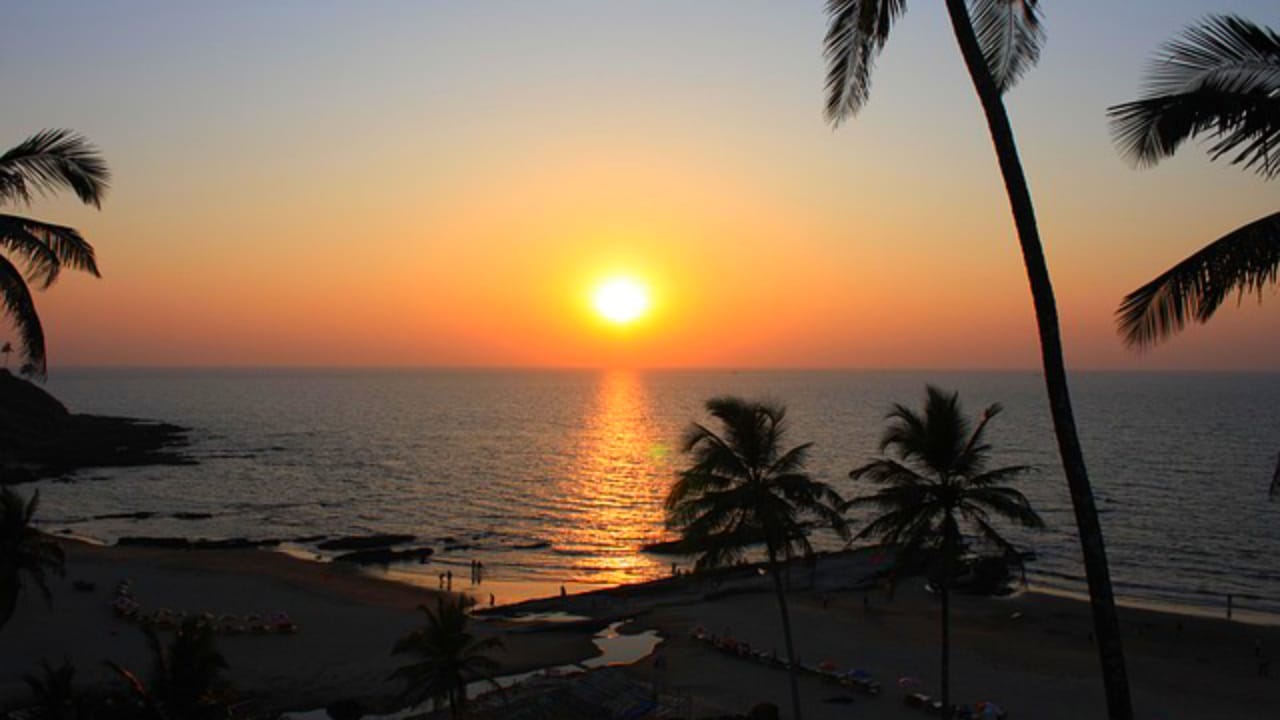
There is a reason Goa and vacation have become almost synonymous in Indian travel conversations. Mention a long weekend, a honeymoon, a college trip, or a solo backpacking adventure, and someone will inevitably say, Just go to Goa. This tiny coastal state on India’s western shore, sandwiched between the Arabian Sea and the Western Ghats, has spent decades earning its reputation as the country’s most beloved beach destination and it has done so without ever feeling like a one-trick town.
A Goa beach tour is not just about lying on the sand with a coconut in hand, although you will absolutely do plenty of that. It’s about waking up to church bells in a Portuguese-era village, haggling for silver jewelry at a Wednesday flea market, riding a rented scooter along winding coastal roads with the wind in your hair, feasting on prawn curry rice that tastes nothing like the Goan food served elsewhere in India, and dancing barefoot in the sand until sunrise. Goa is a state of mind as much as it is a place on the map.
This guide walks you through everything you need to plan the perfect Goa beach tour from the best time to visit and how to get there, to a detailed breakdown of North and South Goa’s beaches, the top things to do, where to stay, what to eat, and insider tips that will save you both money and disappointment.
Why Goa Should Be on Your Travel Bucket List
Goa packs an extraordinary amount of variety into just over 3,700 square kilometers. It was a Portuguese colony for over 450 years, and that history is written into everything from the whitewashed churches and red-tiled villas to the local language’s Portuguese loanwords and the ubiquitous love of vinho (wine) and pork sausages.
Layer that European influence onto a deeply Indian coastal culture fishing communities, Hindu temples, spice plantations, and a laid-back susegad philosophy of taking life slow and you get a destination that feels unlike anywhere else in the country.
Then there are the beaches themselves. Goa has more than 30 named beaches stretched across roughly 100 kilometers of coastline, each with its own personality. Some are lined with beach shacks blasting trance music until dawn. Others are quiet fishing coves where the loudest sound is the tide. You can be parasailing over turquoise water in the morning and watching a silent sunset with a glass of feni (Goa’s local cashew liquor) by evening, all without leaving the same 20-kilometer stretch of coast.
Best Time to Visit Goa
Timing your Goa beach tour correctly makes an enormous difference to your experience, since the state has three distinct seasons.
Winter (November to February) is peak season and, for most travelers, the best time to visit. The weather is pleasant, with daytime temperatures hovering between 20°C and 32°C, low humidity, and clear skies perfect for beach days. This is also when Goa hosts its biggest parties, including New Year’s Eve celebrations that draw crowds from across the globe, and Christmas festivities that showcase the state’s Catholic heritage beautifully. The trade-off is higher prices and heavier crowds, especially from mid-December through early January.
Summer (March to May) brings hot and humid conditions, with temperatures climbing above 35°C. It’s a quieter, more affordable time to visit if you don’t mind the heat, and it’s actually a great window for those who want fewer crowds on the sand and better hotel deals. Just plan your beach time for early mornings or late afternoons to avoid the harshest sun.
Monsoon (June to September) transforms Goa into a lush, green paradise, with the Western Ghats waterfalls in full flow and the countryside at its most photogenic. Most beach shacks close down during this period since the sea gets rough and swimming is unsafe, but this is increasingly popular with travelers seeking a quieter, moodier, budget-friendly Goa experience, away from the crowded shacks and jet skis.
Shoulder season (October and early November) offers a nice middle ground the rains taper off, shacks start reopening, and prices haven’t yet peaked. If you’re flexible, this can be a sweet spot for value and weather alike.
How to Reach Goa
Goa is well connected by air, rail, and road, making it accessible whether you’re planning a quick weekend getaway or a longer, more relaxed holiday.
By air: Goa has two airports the older Dabolim Airport near Vasco da Gama, and the newer Manohar International Airport (Mopa) in North Goa, which opened to ease congestion and improve connectivity to the northern beach belt. Both airports have regular domestic flights from Mumbai, Delhi, Bengaluru, Hyderabad, and other major Indian cities, along with a growing number of international connections.
By train: Goa is served by two railway lines the Konkan Railway, which connects it to Mumbai and Mangalore along the coast, and the South Western Railway line linking it to Karnataka. Madgaon (Margao) and Thivim are the two major railway stations most travelers use, and both are within reasonable distance of the popular beach areas.
By road: If you’re coming from neighboring states like Maharashtra or Karnataka, driving or taking an overnight bus into Goa can be a scenic and cost-effective option. The drive from Mumbai, for instance, takes around 10 to 12 hours but passes through some genuinely beautiful Konkan coastline.
Once you’re in Goa, renting a scooter or a car is by far the most popular and practical way to get around. Public buses exist but run infrequently, and taxis can be pricey for repeated short trips between beaches.
North Goa Beaches
North Goa is where most first-time visitors head, and for good reason it’s home to the state’s most famous beaches, liveliest nightlife, and biggest concentration of restaurants, markets, and water sports operators.
Baga Beach
Baga is arguably the most recognizable name on any Goa itinerary. It’s known for its buzzing energy, packed beach shacks, water sports counters offering everything from jet skiing to banana boat rides, and a nightlife scene anchored by legendary clubs. If you want the classic party beach experience, Baga delivers it without apology. It gets crowded, especially in peak season, but that’s part of its charm for many travelers.
Calangute Beach
Often called the Queen of Beaches, Calangute sits right next to Baga and shares a similarly lively atmosphere, though it’s a touch more family-friendly with its wide stretch of sand. It’s a great base for exploring North Goa since it has no shortage of hotels, restaurants, and shopping options nearby, including the famous Calangute market for souvenirs and beachwear.
Anjuna Beach
Anjuna carries Goa’s old hippie soul. This is where the trance music scene took root decades ago, and it still hosts some of the most atmospheric parties in the state, particularly around the rocky red cliffs at its southern end. Anjuna is also home to the legendary Wednesday Flea Market, a sprawling bazaar of clothing, jewelry, spices, and handicrafts that has been running since the 1960s and remains an essential Goa experience even if you’re not shopping for anything in particular.
Vagator Beach
A short ride from Anjuna, Vagator is one of Goa’s most photogenic beaches, with dramatic red laterite cliffs framing golden sand and turquoise water. It’s quieter than Baga or Calangute during the day but transforms after dark, especially around Chapora Fort, which overlooks the beach and is a must-visit for sunset views made even more famous by its appearance in the Bollywood film Dil Chahta Hai.
Morjim Beach
Nicknamed “Little Russia” for its large community of Russian tourists and residents, Morjim is a quieter, more laid-back stretch of sand known for its olive ridley turtle nesting sites. If you’re looking for a peaceful beach with excellent seafood shacks and fewer crowds than Baga or Calangute, Morjim is an excellent choice.
Ashvem and Mandrem Beaches
Just north of Morjim, Ashvem and Mandrem offer some of North Goa’s most relaxed, boutique-style beach experiences. Think yoga retreats, beachfront cafés serving wood-fired pizzas and smoothie bowls, and stylish beach huts rather than raucous nightlife. These beaches attract a slightly older, more wellness-focused crowd.
Arambol Beach
At Goa’s northern edge, Arambol has long been a haven for long-term travelers, backpackers, and free spirits. Its main draw is the famous Sweet Water Lake, a freshwater lagoon just behind the beach where visitors take mud baths, alongside a lively drum circle that gathers on the beach most evenings at sunset. Arambol feels distinctly different from the commercial beaches further south more bohemian, more communal, and unhurried.
South Goa Beaches
If North Goa is about energy and nightlife, South Goa is its calmer, more upscale counterpart. The beaches here tend to be wider, less crowded, and lined with a mix of luxury resorts and quiet fishing villages rather than back-to-back beach shacks.
Colva Beach
Colva is South Goa’s most popular and accessible beach, offering a good balance between infrastructure and space. It has enough shacks, water sports, and restaurants to keep you entertained, but nowhere near the crowd density of Baga or Calangute. It’s a favorite with domestic tourists and families.
Benaulim Beach
Just south of Colva, Benaulim is quieter still, known for its long, clean stretch of sand and traditional fishing village atmosphere. Watching local fishermen haul in their nets at dawn is a genuinely memorable experience here, and the beach’s relative calm makes it ideal for long, unhurried walks.
Palolem Beach
Palolem is frequently cited as one of the most beautiful beaches in all of India, and it’s easy to see why. Its crescent-shaped bay, calm turquoise water, and palm-fringed shore give it a postcard quality, while colorful wooden beach huts along the sand offer a rustic, romantic place to stay. Nearby Butterfly Beach and Cola Beach, accessible by boat or a short trek, add a sense of adventure for those willing to explore a little further.
Agonda Beach
A short drive from Palolem, Agonda is quieter, less developed, and beloved by travelers seeking a genuinely peaceful escape. Its long, uncrowded shoreline and gentle waves make it excellent for swimming, and its handful of eco-friendly resorts and yoga retreats attract a wellness-minded crowd looking to disconnect.
Cavelossim and Mobor Beaches
These beaches near the Sal River estuary are home to some of Goa’s most upscale resorts, making them popular with honeymooners and travelers seeking a more luxurious, resort-style holiday. Water sports like jet skiing and dolphin-spotting cruises are easy to arrange here, alongside quiet stretches of sand for relaxing.
Galgibaga (Turtle Beach) and Talpona Beach
At Goa’s far southern tip, Galgibaga and Talpona remain refreshingly undeveloped. Galgibaga, nicknamed Turtle Beach, is a protected nesting site for olive ridley sea turtles and one of the cleanest, quietest beaches in the state. These beaches are best for travelers who want to escape crowds entirely and experience Goa’s coastline in its most natural state.
Top Things to Do on a Goa Beach Tour
A Goa itinerary should stretch well beyond beach-hopping, even though the beaches themselves could easily fill an entire trip.
Water sports: Baga, Calangute, and Candolim in the north, along with Cavelossim and Colva in the south, are the main hubs for parasailing, jet skiing, banana boat rides, and scuba diving trips out to Grande Island.
Sunset cruises and dolphin watching: Boat trips from Baga, Candolim, and Panaji offer both dolphin-spotting excursions in the morning and relaxed sunset cruises on the Mandovi River in the evening, often with live music and dinner included.
Old Goa’s heritage churches: A short drive inland, Old Goa is a UNESCO World Heritage Site home to the Basilica of Bom Jesus, which holds the remains of St. Francis Xavier, and the impressive Sé Cathedral. These centuries-old structures are essential stops for understanding Goa’s colonial past.
Fontainhas, Panaji’s Latin Quarter: Wander the narrow, colorful lanes of Fontainhas in Goa’s capital city for a taste of old Portuguese-era residential architecture, boutique cafés, and art galleries.
Spice plantation tours: Inland spice farms near Ponda offer guided walking tours through plantations growing cardamom, pepper, cinnamon, and nutmeg, usually followed by a traditional Goan lunch.
Dudhsagar Waterfalls: One of India’s tallest waterfalls, Dudhsagar is a popular day-trip destination, especially spectacular during and just after the monsoon, accessible via jeep safari through the forested Bhagwan Mahavir Wildlife Sanctuary.
Flea markets and night markets: Beyond the famous Anjuna Wednesday Flea Market, don’t miss the Saturday Night Market at Arpora, a lively evening bazaar with food stalls, live music, and shopping that captures Goa’s festive spirit after dark.
Fort exploration: Chapora Fort, Aguada Fort, and Cabo de Rama Fort each offer sweeping coastal views and a glimpse into Goa’s strategic colonial history, with Fort Aguada near Candolim also housing a still-functioning lighthouse.
Nightlife: Beyond the beach shacks, Goa’s club scene includes well-known venues in Baga, Vagator, and Anjuna, along with silent discos and beach parties that run through peak season.
Casinos: For a different kind of nightlife, Goa is also home to India’s only legal offshore casinos, floating on the Mandovi River near Panaji, offering a glitzy contrast to the state’s beach culture.
Goan Food You Simply Must Try
No Goa beach tour is complete without diving into its cuisine, which blends Portuguese technique with local Konkan ingredients in ways you won’t find anywhere else in India.
Fish curry rice is the everyday staple of Goan households, typically made with kingfish or pomfret in a tangy, coconut-based curry. Prawn balchão, a spicy, tangy pickle-like preparation, and crab xec xec, cooked in a rich roasted coconut masala, are must-try seafood dishes for anyone who loves bold flavors.
On the meat side, pork vindaloo a fiery, vinegar-marinated dish with clear Portuguese roots is far spicier and more complex than the versions served in most Indian restaurants abroad. Sorpotel, a tangy pork offal stew, and Goan sausages, smoked and spiced, are both beloved regional specialties usually reserved for festive occasions.
For something sweet, don’t skip bebinca, a rich, layered coconut-and-egg pudding often called the “queen of Goan desserts,” or dodol, a dense, jaggery-based sweet. Wash it all down with a glass of chilled feni, distilled from either cashew apples or coconut sap, which locals will tell you is best enjoyed slowly, in good company, with a plate of fresh seafood in front of you.
Where to Stay in Goa
Goa’s accommodation options span the full spectrum, and where you choose to stay should depend heavily on the kind of trip you want.
If nightlife and energy are the priority, base yourself around Baga, Calangute, or Candolim, where you’ll find everything from budget guesthouses to well-known international hotel chains within walking distance of restaurants and clubs.
For a bohemian, artsy vibe with easy access to flea markets and sunset parties, Anjuna or Vagator are excellent choices, often featuring boutique stays and design-forward guesthouses.
Travelers seeking wellness retreats, yoga, and a slower pace should look toward Ashvem, Mandrem, or Arambol, where beach huts and eco-conscious resorts dominate.
For a quieter, more luxurious holiday, South Goa’s Palolem, Agonda, Cavelossim, or Benaulim offer everything from rustic beach huts to five-star resorts, with far more breathing room than the northern belt.
Regardless of where you stay, booking well in advance during peak season (December to early January) is strongly recommended, as prices can double or triple around Christmas and New Year.
Practical Tips for Your Goa Beach Tour
Rent a scooter or car: This is genuinely the best way to explore Goa at your own pace, since the beaches, markets, and heritage sites are spread across a fairly wide area. Always wear a helmet it’s legally required and enforced with fines.
Carry cash for smaller vendors: While cards and UPI are widely accepted in restaurants and hotels, smaller beach shacks, markets, and local transport often prefer cash.
Respect local customs: While Goa’s beaches are relaxed about swimwear, dress a little more modestly when visiting churches, temples, and local villages away from the tourist beaches.
Watch the flags on the beach: Not all Goan beaches have lifeguards, and undertows can be strong in certain spots, particularly during monsoon season. Pay attention to warning flags and avoid swimming in unmonitored waters after dark.
Bargain at markets: Prices at flea markets and street stalls are often negotiable, so don’t hesitate to politely haggle, especially for jewelry, clothing, and souvenirs.
Book water sports through authorized operators: Stick to licensed operators on beaches like Baga and Calangute for jet skiing, parasailing, and banana boat rides to ensure proper safety equipment and standards.
Plan for both coasts: Many travelers make the mistake of sticking exclusively to North or South Goa. Even a few days split between both halves of the state will give you a much richer sense of everything Goa has to offer, from raucous beach parties to serene, undeveloped coastline.
Goa on a Budget
One of the reasons Goa remains such an enduring favorite is that it can flex to almost any budget. Backpackers, families, and honeymooners all manage to have a great time here, just at very different price points.
Budget travelers can find dorm beds and basic guesthouses starting from a few hundred rupees a night, especially in backpacker-friendly stretches like Anjuna, Arambol, and Palolem. Local thali meals cost very little, and renting a scooter is one of the cheapest ways to get around, though fuel and occasional traffic fines should be factored in.
Mid-range travelers will find comfortable three-star hotels and well-reviewed guesthouses in Calangute, Candolim, Colva, and Benaulim, along with beach shacks serving good seafood at reasonable prices. This is the sweet spot for most domestic tourists, and it’s easy to add splurges like a sunset cruise without blowing the budget.
Luxury travelers have no shortage of options either, particularly in South Goa’s Cavelossim, Mobor, and parts of Candolim, where five-star resorts, private pool villas, and fine-dining restaurants cater to honeymooners and anyone wanting a pampered escape.
Whatever your budget, prices in Goa swing dramatically between peak season (December–January) and the quieter months, so traveling in the shoulder season stretches your money considerably further.
Which Goa Beaches Suit Which Kind of Traveler
With more than 30 beaches to choose from, it helps to think about your travel style before picking a base.
For first-timers who want it all: Calangute or Candolim make excellent bases, offering a central location within easy reach of both the party beaches to the north and the calmer heritage sites inland.
For party-seekers and young groups: Baga, Anjuna, and Vagator remain the undisputed centers of Goa’s nightlife, live music, and beach club culture.
For couples and honeymooners: Palolem, Agonda, and Cavelossim offer the romantic, postcard-perfect scenery and quieter atmosphere that make for memorable sunsets and relaxed evenings.
For families with children: Colva, Benaulim, and Candolim tend to have gentler waters, wider beaches, and more family-oriented restaurants and resorts than the northern party belt.
For solo travelers and long-stay backpackers: Arambol and Anjuna have long-standing traveler communities, hostels, and a social, easy-to-meet-people atmosphere that makes solo travel especially comfortable.
For wellness and yoga retreats: Ashvem, Mandrem, and Agonda are increasingly known for yoga shalas, Ayurvedic spas, and health-conscious cafés catering to travelers looking to slow down and reset.
Sample Goa Beach Tour Itinerary
For travelers planning a five- to seven-day trip, a rough structure might look like this: spend your first two days exploring North Goa’s Baga, Calangute, and Candolim, enjoying water sports and nightlife. Dedicate a day to heritage sites in Old Goa and Panaji’s Fontainhas district, followed by a day trip to a spice plantation or Dudhsagar Waterfalls.
Spend your final two to three days relocating to South Goa, unwinding at Palolem or Agonda, and taking a slower pace before heading home. This structure gives you a genuine taste of Goa’s contrasts its energy and its calm within a single trip.
FAQs
How many days do you need for a Goa beach tour?
Most travelers find four to seven days ideal, enough time to explore both North and South Goa without feeling rushed. A quick long weekend of two to three days works well if you’re focusing on just one region.
Is Goa safe for solo female travelers?
Goa is generally considered one of India’s safer and more tourist-friendly states, with a well-established travel infrastructure. As with anywhere, it’s wise to stick to well-lit, populated areas at night, use registered taxis or trusted transport apps, and avoid isolated beaches after dark.
Do I need a visa to visit Goa?
Since Goa is part of India, foreign travelers need a valid Indian visa or e-visa to enter, just as they would for visiting any other Indian state. Domestic travelers within India need no special documentation.
Is North Goa or South Goa better?
Neither is objectively better North Goa suits travelers who want nightlife, water sports, and energy, while South Goa suits those seeking quieter beaches, luxury resorts, and a more relaxed pace. Many visitors choose to split their trip between both.
Can you drink alcohol on the beach in Goa?
Alcohol is widely available and reasonably priced in Goa, and beach shacks typically serve drinks throughout the day. However, drinking directly on open public beaches (as opposed to at a licensed shack) is technically restricted in some areas, so it’s best to enjoy your drinks at a shack or your accommodation.