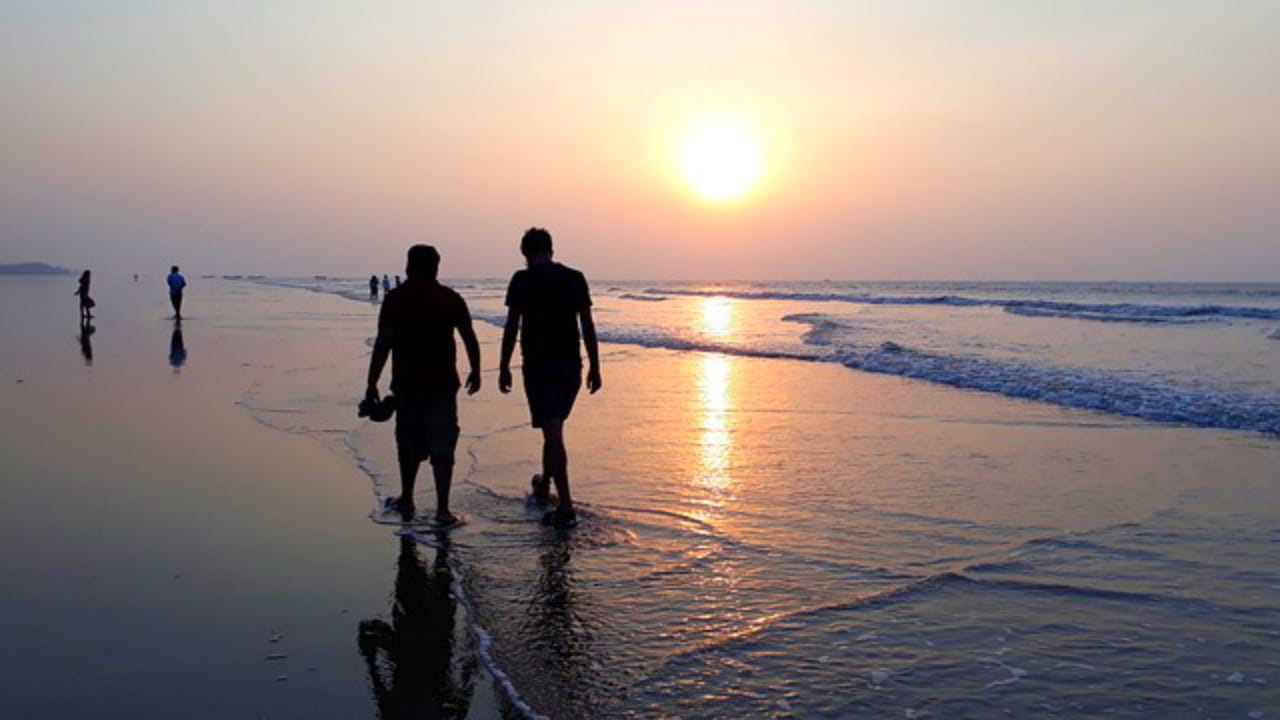
There’s a particular kind of quiet that settles over you the moment the Bay of Bengal comes into view at Digha. After hours of paddy fields, highway dhabas, and the low hum of West Bengal’s countryside sliding past your window, the first glimpse of grey-blue water stretching to the horizon feels like an exhale.
This is Digha not the most glamorous beach in India, not the most photographed, but arguably one of the most loved. For generations of Bengalis, and increasingly for travellers from across eastern India, Digha is the beach you grew up hearing about, the one your parents took you to, and the one you now take your own kids to.
If you’re planning a trip and searching for everything there is to know about Digha beach India, this guide covers it all from getting there and choosing where to stay, to the best things to do, when to visit, what to eat, and the practical details that make or break a beach holiday.
Where Is Digha and Why Is It So Popular?
Digha is a coastal town in the Purba Medinipur (East Midnapore) district of West Bengal, sitting right at the northern edge of the Bay of Bengal. It’s roughly 185 kilometres from Kolkata, which places it firmly in weekend getaway territory for anyone living in or around the city. That proximity is really the heart of Digha’s popularity. You don’t need a week off work or a complicated travel itinerary you can leave Kolkata on a Friday evening and be walking barefoot on wet sand by Saturday morning.
But convenience alone doesn’t explain why Digha has remained a favourite for so long. The beach itself has a gentle, welcoming character. The gradient into the sea is shallow, the waves are usually calm rather than crashing, and there’s a long, walkable promenade that makes it easy to spend hours by the water without needing a car or a guide.
It’s a destination that works equally well for a family with toddlers, a group of college friends, a couple on their first trip together, or solo travellers who just want a couple of days away from the city.
Historically, Digha’s discovery as a tourist spot is credited to Warren Hastings, the first Governor-General of British India, who is said to have been charmed by this stretch of coastline centuries ago. Since then, it has grown from a sleepy fishing village into one of eastern India’s most visited beach towns, without ever fully losing its small-town, unpretentious feel.
New Digha vs Old Digha Know the Difference
One of the most common points of confusion for first-time visitors is the distinction between New Digha and Old Digha. They’re only a few kilometres apart, but they offer genuinely different experiences, and knowing which one suits you will shape your whole trip.
New Digha Beach is the more developed, more crowded, and more “happening” of the two. It has a long, well-maintained promenade, rows of hotels and resorts, a lively strip of food stalls and shops selling shells, jewellery, and beachwear, and the kind of buzzing energy that comes with heavy tourist footfall. If you want nightlife (relatively speaking Digha isn’t a party town), late-night snacking, and easy access to restaurants and markets, New Digha is where you’ll want to base yourself.
Old Digha, a few kilometres to the north, is quieter and rockier, with a more rugged, natural shoreline. It feels closer to what Digha probably looked like decades ago, before large-scale tourism arrived. If you’re someone who finds crowded beaches exhausting and would rather sit with a book, watch fishing boats bob in the distance, and enjoy a slower pace, Old Digha is worth the short trip. Many visitors actually stay in New Digha and take an evening or morning trip to Old Digha just to see the contrast.
There isn’t a wrong choice here it really comes down to what kind of holiday you’re after. Families with young children and groups who want convenience tend to gravitate toward New Digha, while couples and solo travellers looking for something calmer often prefer Old Digha, or at least a visit to both.
How to Reach Digha Beach India
Getting to Digha has become considerably easier in recent years, and the town is now well connected by road, rail, and indirectly by air.
By Road: This is the most popular way to reach Digha, especially for travellers coming from Kolkata. The drive takes roughly four to five hours depending on traffic, and the route itself is fairly scenic once you’re past the city outskirts, cutting through green countryside and small towns. State transport buses, private volvo buses, and shared or private cabs all run regularly between Kolkata and Digha, making it easy to find a departure time that suits your plans. If you’re driving yourself, the roads are generally in decent condition, though it’s worth setting off early to avoid peak traffic near Kolkata.
By Train: Digha has its own railway station, connected to nearby cities through regular train services, which makes it a genuinely convenient option if you’d rather not deal with road traffic. One of the more exciting recent developments is the Kolkata–Digha Vande Bharat Express, which has significantly cut down travel time, bringing the journey down to under three hours. For a beach town that has traditionally been associated with a longer, bumpier bus ride, this kind of high-speed rail connection is a genuine game-changer, and it’s worth checking current timetables when planning your trip, since services and schedules can shift.
By Air: Digha does not have its own airport, so if you’re flying in from elsewhere in India, you’ll land at Kolkata’s Netaji Subhas Chandra Bose International Airport, which is around 150 kilometres away. From there, you can continue to Digha by road or rail. While this adds an extra leg to your journey, the airport is well connected to major Indian cities, so it’s rarely a dealbreaker for travellers coming from further afield.
Getting Around Once You’re There: Digha itself is a fairly compact town, and once you’ve arrived, motorised rickshaws and vans are the primary mode of local transport, ferrying visitors between the beach, markets, and hotels. Many visitors also rent bicycles or scooters for a day or two, which is a genuinely enjoyable way to explore at your own pace there’s something satisfying about cycling along a coastal road with the sea breeze in your face. Walking is also entirely feasible if you’re staying close to the main beach area, since most of the essential spots are within a reasonable distance of each other.
Best Time to Visit Digha
Timing your visit well makes a real difference to how much you enjoy Digha, because the coastal weather here swings quite dramatically across the year.
Winter (November to February) is unanimously considered the best time to visit. The weather is pleasant, the humidity drops, and daytime temperatures are comfortable enough for long walks on the beach without feeling drained by the heat. This is also peak tourist season, so expect larger crowds, especially around weekends and holidays, along with correspondingly higher hotel rates. If you want the classic Digha experience golden light on the water, comfortable evenings, and a lively promenade this is your window.
Summer (March to May) brings rising temperatures and humidity that can make daytime beach visits less comfortable, though early mornings and evenings are still pleasant. If you don’t mind the heat and prefer thinner crowds, this can actually be a decent time to visit, particularly if you’re chasing lower hotel prices.
Monsoon (June to August) is generally best avoided for a relaxed beach holiday. Heavy rainfall is common during these months, the sea can get rough, and swimming is often restricted for safety reasons. That said, some travellers are specifically drawn to Digha during the monsoon for its dramatic, moody atmosphere the sea turns a deep grey-green, storms roll in over the horizon, and the whole town takes on a quieter, almost cinematic feel. If that appeals to you more than sunbathing, a monsoon trip has its own kind of charm, just be prepared for the practical inconveniences of heavy rain.
Post-Monsoon (September to October) is something of a sweet spot that doesn’t get talked about enough. The rains have mostly cleared, the crowds haven’t yet arrived in full force, and the weather is transitioning toward the pleasant winter conditions without the peak-season price tags.
Top Things to Do in Digha
Digha’s charm doesn’t come from any single blockbuster attraction it comes from a collection of simple, satisfying experiences that add up to a proper beach holiday.
Walk the Promenade at Sunrise or Sunset
The paved promenade running along New Digha Beach is arguably the single best thing the town has to offer. Stretching for a couple of kilometres, it’s lined with photo decks, benches, and floodlights that make evening strolls safe and pleasant. Sunrise here is genuinely spectacula.
with the sky turning shades of orange and pink over calm waters, and it’s worth setting an early alarm at least once during your trip to catch it. Sunset walks have their own quieter magic, especially as the beach empties out and the lights along the promenade begin to switch on.
Try Water Sports and Surfing Lessons
Digha has steadily expanded its water-sports offerings, and it’s now possible to try banana boat rides, jet skiing, and even lifeguard-monitored beginner surfing lessons. If you’ve never surfed before, a short introductory session is a fun way to spend an hour or two, and Digha’s gentle wave conditions make it a reasonably forgiving spot for first-timers compared to more intense surf beaches elsewhere in India.
As always with water activities, stick to areas with visible lifeguard presence and avoid venturing too far out, since currents can shift.
Visit the Marine Aquarium and Research Centre
Run by the Zoological Survey of India, the Marine Aquarium is one of Digha’s most popular non-beach attractions, and it’s an especially good option if you’re travelling with children or simply curious about what lives beneath the waters you’ve been staring at all day.
The aquarium houses a range of local and deep-sea species from the Bay of Bengal, offering a genuinely educational break from the sun and sand. It’s compact enough to see in an hour or so, making it easy to fit into a half-day itinerary alongside other nearby attractions.
Explore Amarabati Park
Just off the main beach road, Amarabati Park offers a shaded, green counterpoint to the open beach. With walking paths, a small lake, and pleasant landscaping, it’s a good spot to cool off during the middle of the day when the sun is at its harshest, or to let kids run around somewhere other than sand. It’s a low-key attraction, but a welcome change of pace if you’re spending multiple days in Digha and want variety.
Day Trip to Old Digha
As mentioned earlier, even if you base yourself in New Digha, it’s worth carving out a few hours to visit Old Digha. The rockier shoreline, the sight of fishing boats returning with their catch, and the noticeably slower pace make for a nice contrast to the busier main beach. It’s an easy, low-effort excursion that adds real texture to your trip.
Explore Digha Mohana Fish Market
If you’re even remotely interested in seafood or local culture, the Digha Mohana Fish Market is worth a visit. Early mornings see fishing boats unloading fresh catch, and the market buzzes with the kind of authentic, unfiltered energy you won’t find on the main tourist strip. Even if you’re not buying anything, walking through gives you a genuine sense of the town’s identity as a working fishing community, not just a holiday destination.
More Trip to Nearby Beaches
Digha’s location puts several other appealing beaches within easy reach, and they make great add-ons if you have more than a couple of days to spend in the area.
- Shankarpur Beach, about 7 kilometres away, is known for its fishing harbour and quieter, more rugged coastline. It’s a good pick if you want a beach experience with fewer crowds than New Digha.
- Talsari Beach, just over the border in Odisha and about 6 kilometres from Digha, is prized for its unspoiled, casuarina-lined shore and relative peace, making it popular with travellers looking to escape the main tourist rush.
- Udaipur Beach is another lesser-known option nearby, appreciated for its scenic, uncrowded stretch of sand.
- Mandarmani, a little further afield, has become known for its long motorable beach and is often combined with a Digha trip by travellers exploring the wider coastline.
If your schedule allows, stringing together two or three of these beaches into a single trip gives you a much fuller sense of this stretch of Bengal’s coast, rather than experiencing Digha in isolation.
Try the New-Age Attractions
Digha has quietly added a number of modern attractions in recent years aimed at diversifying what was once a purely beach-and-seafood destination. These include science-themed centres, eco-parks, and interactive exhibits designed to appeal to younger visitors and families looking for activities beyond sunbathing. It’s worth checking what’s currently open when you arrive, since this side of Digha’s tourism infrastructure has been expanding steadily.
What to Eat in Digha
No trip to Digha is complete without eating your way through its seafood offerings, and this is genuinely one of the highlights of visiting. Being a working fishing town, Digha has access to remarkably fresh catch, and the string of shacks and small restaurants along the beach road specialise in turning that catch into simple, flavour-packed meals.
Prawns (chingri) are something of a local obsession, prepared everything from simple fried preparations to rich, coconut-based curries. Crab curry is another local favourite, often cooked with mustard, chili, and a distinctly Bengali blend of spices that gives it real character. Pomfret, bhetki (barramundi), and hilsa (ilish) depending on the season round out the seafood spread, usually served fried, grilled, or in curry form alongside steamed rice.
If you’re not a seafood person, don’t worry the beach-road eateries generally offer a full range of vegetarian dishes, rice-and-dal combinations, and standard Bengali comfort food, so you won’t go hungry.
A word of practical advice: prices at beachside shacks can vary quite a bit, and it’s worth confirming rates before ordering, especially for seafood sold by weight. It’s also worth asking locals or your hotel for shack recommendations, since quality and freshness can differ from one stall to the next, and the busiest-looking shacks are often busy for good reason.
Where to Stay in Digha
Digha’s accommodation options span a wide range, from budget lodges to full-service resorts, which is part of why it remains accessible to such a broad range of travellers.
Budget Stays: For travellers watching their spending, Digha has no shortage of simple guesthouses and lodges, particularly in and around Old Digha and the less touristy stretches of New Digha. These typically offer basic but clean rooms, and are a perfectly reasonable choice if you’re planning to spend most of your time outdoors anyway.
Mid-Range Hotels: The bulk of Digha’s accommodation falls into this category comfortable hotels offering amenities like free Wi-Fi, daily housekeeping, and sometimes a pool, often located within walking distance of the main beach and promenade. This tends to be the sweet spot for families and groups who want reasonable comfort without a resort-level price tag.
Resorts: For a more indulgent stay, several resorts in and around Digha offer amenities like multiple outdoor pools, free breakfast, and more spacious rooms, generally aimed at travellers looking for a fuller holiday experience rather than a quick weekend dash.
Whichever category you choose, it’s worth booking in advance during peak winter months and around major holidays, since Digha’s popularity means good rooms especially ones with sea views get snapped up quickly.
It’s also worth reading recent reviews carefully, since experiences with third-party booking confirmations and last-minute room availability can occasionally be inconsistent, so a quick confirmation call to the hotel directly before you travel is a sensible precaution.
Practical Tips for Visiting Digha
A little preparation goes a long way toward making your Digha trip smooth and enjoyable.
Safety in the water: Digha’s waves are generally gentle, but conditions can change, and it’s important to swim only in designated, lifeguard-monitored areas, particularly if you’re travelling with children. Pay attention to any flags or warnings posted along the beach, especially during and after monsoon season when currents can be stronger than usual.
Women’s safety: Some travellers have noted that a stronger, more visible security presence particularly around crowded evening hours would improve the experience for women and families. It’s a reasonable precaution to stick to well-lit, populated areas of the promenade after dark and to travel in groups where possible, as you would at any busy tourist destination.
Bargaining: If you’re shopping for shell crafts, jewellery, or beachwear along the promenade, a bit of polite bargaining is entirely normal and expected.
Carry cash: While larger hotels and restaurants generally accept digital payments, smaller shacks and stalls may prefer cash, so it’s worth carrying some with you, particularly for smaller purchases and rickshaw rides.
Sun protection: Even in winter, the coastal sun can be deceptively strong. Sunscreen, hats, and sunglasses are worth packing regardless of when you visit.
Weekday vs weekend: If your schedule is flexible, visiting on weekdays rather than weekends noticeably reduces crowds, particularly in New Digha, and can make for a more relaxed experience overall.
Pack for versatility: Depending on the season, weather in Digha can shift quickly, so layering options and a light rain jacket (especially outside peak winter) are worth including in your bag.
A Perfect Digha Weekend
If you’re working with a typical two-day weekend trip, here’s a structure that hits the highlights without feeling rushed.
Day One: Arrive by late morning, check into your hotel, and spend the afternoon settling in with a walk along the New Digha promenade. Watch the sunset from the beach, then head to one of the well-reviewed seafood shacks for your first proper Digha meal this is the moment to order that prawn curry you’ve been thinking about.
Day Two: Wake early for sunrise on the beach, followed by breakfast and a visit to the Marine Aquarium. Spend the late morning trying a water sport or simply relaxing by the water, then take an afternoon excursion to Old Digha to see the contrast in atmosphere. Round off the day with a final seafood dinner and an evening stroll before heading back or preparing for your return journey the next morning.
If you have a third day to spare, use it for a day trip to one of the nearby beaches Shankarpur, Talsari, or Mandarmani to broaden your sense of this stretch of coastline beyond Digha itself.
FAQs
Is Digha good for a family trip with young children?
Yes, and this is actually one of Digha’s biggest strengths. The shallow gradient of the water and generally calm waves make it more forgiving for families than many other Indian beaches, and attractions like the Marine Aquarium and Amarabati Park give children something to do beyond the sand. That said, always supervise kids closely near the water and stick to lifeguard-monitored zones.
How many days do I need in Digha?
A weekend of two to three days is usually enough to experience the main beach, try local seafood, and fit in a day trip to Old Digha or a nearby beach like Shankarpur or Talsari. If you want to explore the wider coastline, including Mandarmani, budgeting three to four days gives you a more relaxed pace.
Do I need a visa to visit Digha?
No, Digha is a domestic destination within India, so Indian citizens need no special permission to visit. International travellers simply need a valid Indian visa, as they would for any other part of the country.
Is Digha safe for solo travellers, including women?
Digha is generally considered a safe, family-oriented destination, and solo travellers visit regularly without issue. As with any crowded tourist town, it’s sensible to stick to well-lit and populated areas after dark, keep valuables secure, and let your hotel know your plans if you’re heading out to quieter stretches like Old Digha in the evening.
What should I pack for a Digha trip?
Lightweight, breathable clothing works for most of the year, along with sunscreen, sunglasses, and a hat, given how strong the coastal sun can be even in winter. If you’re visiting outside the winter months, pack a light raincoat or umbrella, since coastal weather can shift quickly. Comfortable footwear is essential for walking the promenade and exploring Old Digha’s rockier shoreline.
Can I combine Digha with other nearby destinations?
Absolutely. Digha’s location makes it easy to combine with Shankarpur, Talsari, Udaipur Beach, or Mandarmani, all within a short drive. Many travellers treat Digha as a base and take half-day or full-day trips to these neighbouring beaches to get a fuller picture of this part of the Bengal-Odisha coastline.