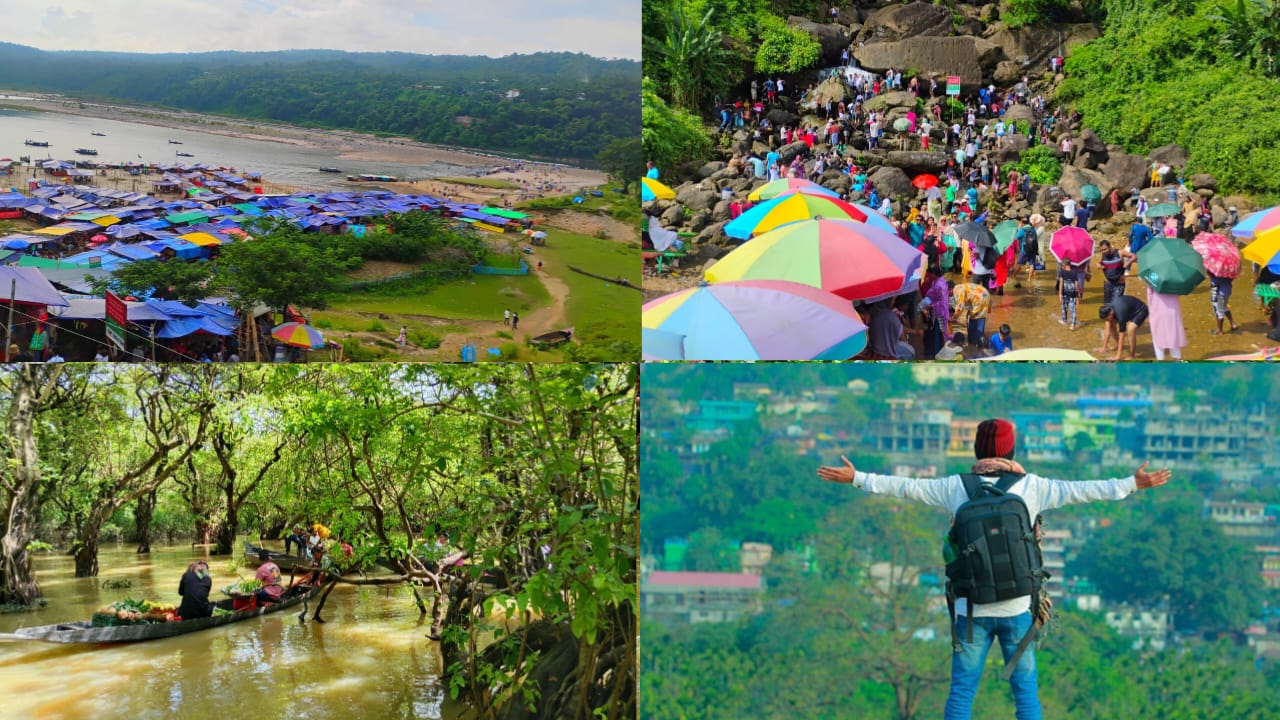
Tucked away in the northeastern corner of Bangladesh, Sylhet is a region that feels almost unreal the first time you see it. Rolling hills carpeted in emerald tea bushes, rivers so clear they look painted, waterfalls tumbling down from the Indian border hills, and a spiritual heritage that draws pilgrims from across South Asia Sylhet is one of those rare destinations that manages to be both a nature lover’s paradise and a place of deep cultural significance.
If you’ve been searching for “Best Sylhet tourist spots” ideas, you’ve landed in the right place. This guide walks you through everything you need to know, from the most famous attractions to hidden gems, practical travel tips, food recommendations, and a ready-made itinerary you can follow.
Whether you’re a Bangladeshi traveler planning a weekend getaway from Dhaka, an expatriate visiting family, or an international tourist curious about this underrated corner of Bengal, this article will help you plan a trip you won’t forget.
Why Sylhet Deserves a Spot on Your Travel List
Sylhet is often called the “Tea Capital of Bangladesh,” and for good reason. The district and its surrounding areas are home to dozens of tea estates, many of which are over a century old. But reducing Sylhet to just tea gardens would be doing it a disservice. This is a region shaped by rivers flowing down from the Meghalaya hills of India, creating some of the most dramatic and photogenic landscapes in the country.
Sylhet also holds enormous religious and historical importance. It is the resting place of Hazrat Shahjalal (R.), a revered Sufi saint who arrived in the region centuries ago, and the city that bears witness to his legacy still pulses with spiritual energy today. Add to this the warm hospitality of the local Sylheti people, a distinct regional dialect and culture, and a cuisine that features some seriously delicious specialties, and you have a destination that offers something for every kind of traveler.
Unlike Cox’s Bazar or Sundarbans, which tend to dominate Bangladesh’s tourism conversation, Sylhet still feels relatively undiscovered by international visitors, even though it’s hugely popular among domestic tourists. That means you can still find spots where nature is largely undisturbed, prices are reasonable, and the experience feels authentic rather than commercialized.
Best Time to Visit Sylhet
Timing your trip correctly can make or break your Sylhet experience, especially since many of the top attractions are river-based and their beauty depends heavily on water levels and clarity.
Winter (November to February) is generally considered the best time to visit. The weather is pleasant and dry, skies are clear, and the tea gardens look their lushest. This is peak tourist season, so popular spots like Jaflong and Bichanakandi can get crowded, especially on weekends and public holidays.
Monsoon season (June to September) transforms Sylhet into a different world entirely. The rivers swell, waterfalls become more powerful, and the swamp forests of Ratargul are only fully navigable by boat during this period. However, heavy rain can also make roads difficult, and river water can turn muddy rather than the crystal-clear turquoise you see in photos. If you’re chasing that iconic clear-water look at places like Bichanakandi or Lalakhal, monsoon isn’t ideal.
Post-monsoon and early winter (October to November) is arguably the sweet spot for many travelers. Water levels are still decent, the greenery from the monsoon hasn’t faded yet, and the crushing summer heat is gone.
Summer (March to May) tends to be hot and humid, and while it’s technically possible to visit, most travelers avoid this window unless they have no other choice.
If your goal is specifically to see the famous clear blue-green waters that make Sylhet’s rivers Instagram-famous, aim for the period right after the monsoon recedes typically October through December when rainfall has replenished the rivers but the water hasn’t yet turned murky from continuous rain.
How to Reach Sylhet
Getting to Sylhet is easier than many people expect, with several convenient options depending on your starting point and budget.
By Air: Osmani International Airport in Sylhet is well connected to Dhaka, with multiple daily flights operated by various domestic airlines. The flight takes roughly 30-40 minutes, making it the fastest option if you’re short on time. This is a particularly good choice for travelers coming from abroad who are already flying into Dhaka’s Hazrat Shahjalal International Airport, since you can catch a connecting flight without much hassle.
By Train: Several intercity trains run between Dhaka and Sylhet, and this is a favorite option for many travelers who enjoy scenic rail journeys. The train ride takes approximately 6-7 hours and passes through beautiful countryside, including sections near the haors (wetlands) that are worth watching for. Trains generally offer a comfortable, relatively affordable option, and booking in advance is recommended, especially during peak season.
By Road: Numerous AC and non-AC coach services operate between Dhaka and Sylhet, with the journey taking around 5-6 hours depending on traffic. This is often the most flexible and budget-friendly option, with buses departing at various times throughout the day and night. Overnight buses are popular since they let you save on accommodation for one night and arrive in Sylhet in the early morning, ready to start exploring.
Once you’re in Sylhet city, getting around to the various tourist spots typically requires hiring a private car, microbus, or CNG-run auto-rickshaw (locally just called “CNG”), since public transport to more remote attractions like Bichanakandi or Ratargul is limited. Many hotels and travel agencies in Sylhet town can arrange day trips with a driver, which is usually the most convenient way to see multiple spots in one day.
Best Sylhet Tourist Spots Bangladesh
Now let’s get into the heart of this guide the actual places you should visit. I’ve organized these roughly by theme so you can plan according to your interests, whether that’s rivers and waterfalls, forests, religious sites, or tea gardens.
1. Jaflong
No conversation about Sylhet tourism is complete without Jaflong. Located near the Bangladesh-India border, roughly 60 kilometers from Sylhet city, Jaflong is famous for its stunning backdrop of the Khasi Hills in Meghalaya, India, combined with the crystal-clear waters of the Dawki River (known locally as the Piyain River on the Bangladesh side).
What makes Jaflong so captivating is the contrast: on one side you have the misty hills of India rising in the distance, and on the other, a riverbed covered in smooth stones that locals have collected for generations as a source of livelihood. Stone collection has historically been a major economic activity here, and you’ll often see workers wading through the river gathering stones by hand or using simple equipment.
Visitors typically hire small boats to cross the river and get closer to the hills, and many also visit the nearby Khasi tribal village, known as Jaflong Punji, where you can learn about the indigenous Khasi community’s way of life, their betel leaf (paan) cultivation, and their distinct culture that differs from mainstream Bangladeshi society.
A short distance from the main Jaflong spot is Zero Point, which sits almost directly on the border and offers some of the most dramatic views in the area. Depending on border security conditions, access to certain sections may be restricted, so it’s worth checking current rules before heading there, or simply asking your local guide or driver, who will know the latest situation.
Jaflong is best combined with a visit to nearby Tamabil (see below) since they’re located close to each other and can easily be covered in a single day trip from Sylhet city.
2. Bichanakandi
If Jaflong is Sylhet’s most famous spot, Bichanakandi is arguably its most photogenic. Located near Gowainghat upazila, close to the Bangladesh-India border, Bichanakandi (sometimes spelled Bichnakandi) offers a landscape that genuinely looks like it belongs on a postcard: a stone-strewn riverbed with impossibly clear turquoise water, framed by green hills on the Indian side and waterfalls cascading down from the mountains during and after monsoon.
The journey to Bichanakandi is part of the adventure itself. From the Hadarpar boat station, you’ll typically switch from your car to a traditional wooden boat, which takes you through a scenic waterway before depositing you at the main spot. The boat ride alone, passing through narrow channels lined with greenery, is worth the trip.
Once you arrive, most visitors spend hours wading through the shallow, cool water, taking photographs against the hill backdrop, and simply relaxing on the smooth stones. It’s an ideal spot for families, as the water is generally shallow near the banks, though caution is still advised, particularly with young children, since the riverbed can be uneven and currents can be stronger in certain areas after heavy rain.
Because Bichanakandi’s beauty depends so heavily on water clarity, it’s worth checking recent traveler reports or asking locals about current water conditions before making the trip, since the color of the water can vary significantly with rainfall and season.
3. Ratargul Swamp Forest
For something completely different from the stone-riverbed landscapes of Jaflong and Bichanakandi, head to Ratargul Swamp Forest, one of the only freshwater swamp forests in Bangladesh and one of very few of its kind in all of South Asia.
Located in Gowainghat upazila, roughly 26 kilometers from Sylhet city, Ratargul is essentially a forest that becomes partially submerged during the monsoon season, when water levels rise high enough that boats can navigate directly between and around the trees. Paddling silently through a flooded forest, with sunlight filtering through the canopy and reflecting off the still water, is a genuinely unique experience that feels more like something from the Amazon than what most people picture when they think of Bangladesh.
The forest is home to a variety of trees, including the koroch tree, which is specially adapted to withstand prolonged submersion. Depending on the season, you might also spot various bird species, and if you’re lucky, some of the smaller wildlife that calls this ecosystem home.
Visiting during peak monsoon (roughly July through September) offers the most immersive experience, since water levels are highest and you can actually navigate deep into the forest by boat. During drier months, much of the forest floor is exposed, and the experience is considerably less magical, so timing really matters here more than almost anywhere else on this list.
Local rowboats are available for hire near the entrance, usually with a boatman who navigates you through the flooded trails. It’s a peaceful, almost meditative experience a stark and welcome contrast to the more crowded, adventure-tourism vibe of Jaflong.
4. Lalakhal
Lalakhal, meaning “Red Canal” in Bengali (though the water is famously blue-green rather than red), is another of Sylhet’s crown jewels. Located near Sarighat in Jaintiapur upazila, Lalakhal is renowned for the strikingly clear, blue-tinted water of the Sari River, which flows down from the hills of Meghalaya.
The typical Lalakhal experience involves hiring a boat and cruising along the river, admiring the vivid color contrast between the deep blue water and the surrounding green hills and tea gardens. Many boat tours also pass by or stop near tea estates along the riverbank, giving you a chance to combine river scenery with a glimpse of Sylhet’s famous tea cultivation.
Lalakhal is often visited in combination with the Jaintiapur area more broadly, which includes some historical sites related to the former Jaintia Kingdom, adding a cultural dimension to what is otherwise primarily a nature-focused excursion.
As with Bichanakandi, water clarity at Lalakhal fluctuates with rainfall and season, so the most vivid blue color is typically seen in the drier months following monsoon, when the sediment has settled but the river hasn’t yet run low.
5. Bholaganj (Volaganj) and the White Stone Area
Bholaganj, often referred to by visitors simply as the “white stone” area, is another striking natural attraction near the India-Bangladesh border in Companiganj upazila. The area gets its nickname from the vast stretches of white limestone rock and pebbles that cover the landscape, creating a strikingly different visual compared to the greener, more forested spots elsewhere in Sylhet.
Bholaganj also features a functioning ropeway system, originally built to transport limestone from quarries in the hills, which adds an interesting industrial-heritage element to the visit. The combination of white rock formations, the nearby river, and hills in the backdrop makes for excellent photography, particularly in good lighting.
This spot tends to attract fewer crowds than Jaflong or Bichanakandi, making it a good choice if you’re looking for a slightly quieter alternative that still delivers dramatic scenery.
6. Tamabil
Tamabil sits right at the Bangladesh-India border and serves as one of the official land border crossing points between the two countries. While it functions primarily as a trade and immigration checkpoint, the surrounding area offers lovely views of the Khasi hills and is often combined with a Jaflong visit since the two locations are geographically close.
Even if you’re not crossing the border, the drive to Tamabil takes you through some genuinely beautiful countryside, including stretches lined with betel nut trees, pineapple plantations, and small tea gardens. It’s worth allocating some time here if you’re already in the Jaflong area.
7. Hazrat Shahjalal (R.) Mazar Sharif
Moving from natural attractions to spiritual heritage, no visit to Sylhet is complete without paying respects at the shrine of Hazrat Shahjalal (R.), the revered 14th-century Sufi saint credited with spreading Islam in the region. His mazar (shrine) is located in the heart of Sylhet city and remains one of the most visited religious sites in Bangladesh, drawing devotees, pilgrims, and curious travelers alike.
The shrine complex includes a mosque, the tomb itself, and a pond that houses a population of large, notably tame catfish (called “gozar” fish locally) that are considered sacred by many visitors and are fed by pilgrims as a form of devotion. There’s a genuinely fascinating atmosphere around the shrine, with a constant flow of visitors, the sound of prayers, and vendors selling flowers, sweets, and religious items just outside.
Even visitors who aren’t religiously inclined often find the shrine worth visiting simply to understand its cultural and historical significance to Sylhet and to Bangladesh’s broader Islamic heritage. Modest dress is recommended when visiting, and as with any active religious site, visitors should be respectful of ongoing prayers and rituals.
8. Hazrat Shah Paran (R.) Mazar
A short distance from the city center lies the shrine of Hazrat Shah Paran (R.), believed to be a nephew or close companion of Hazrat Shahjalal (R.), who also played a significant role in the region’s Islamic history. This shrine, while somewhat smaller and less visited than its more famous counterpart, offers a quieter, more contemplative atmosphere for those interested in the region’s spiritual heritage.
Many visitors choose to combine a trip to both shrines in a single day, given their proximity to each other and to Sylhet city.
9. Malnicherra Tea Estate
Tea is inseparable from Sylhet’s identity, and Malnicherra Tea Estate holds a particularly special place in that story: it’s recognized as the oldest tea garden in Bangladesh, established in the 1850s during the British colonial era. Located just a few kilometers from Sylhet city, Malnicherra offers an easily accessible way to experience the rolling green tea bushes that Sylhet is famous for without traveling far.
Walking through the neat rows of tea plants, often with workers visible plucking leaves depending on the season, gives visitors a genuine sense of how this industry operates. While formal guided tours may not always be available to the general public, simply driving or walking through the estate grounds and taking in the scenery is a popular activity, and the estate is frequently used as a backdrop for photography.
If you have more time and want a deeper tea garden experience, consider extending your trip slightly to include Sreemangal in the neighboring Moulvibazar district (technically part of Sylhet division), which is even more famous for its tea gardens, pineapple and lemon plantations, and the unique seven-layer tea that has become a local specialty.
10. Sylhet City Highlights: Keane Bridge, Ali Amjad’s Clock, and the Surma River
Beyond the natural wonders outside the city, Sylhet town itself has a handful of attractions worth exploring, particularly if you have a spare afternoon or evening.
Keane Bridge, an iron bridge over the Surma River built during British rule, remains an important landmark and a popular spot for evening strolls, especially as the sun sets over the river. Nearby Chowhatta and the riverside areas offer a glimpse of everyday city life, with vendors, tea stalls, and a steady flow of foot traffic.
Ali Amjad’s Clock is a historic clock tower situated near the river, another remnant of the colonial era that has become something of a symbol for Sylhet city, similar to how certain landmarks become synonymous with their cities elsewhere in the world.
A leisurely walk or boat ride along the Surma River in the early evening, when the light turns golden and the city’s daily rhythm slows down, is a simple but memorable way to experience the more relaxed, human side of Sylhet beyond its headline natural attractions.
11. Hakaluki Haor
For travelers interested in wetland ecosystems and birdwatching, Hakaluki Haor is one of the largest freshwater wetlands in Bangladesh, spanning parts of both Sylhet and Moulvibazar districts. This vast haor (a term for a bowl-shaped wetland ecosystem unique to the Sylhet-Sunamganj basin) becomes a haven for migratory birds during the winter months, attracting species that travel from as far as Siberia and the Himalayas.
A boat trip across Hakaluki Haor during winter, when water levels have receded somewhat and bird activity peaks, offers a completely different perspective on Sylhet’s natural diversity — one centered on open water, sky, and wildlife rather than hills and rivers. It’s a less commercially developed tourist spot, meaning facilities may be more basic, but this also translates into a more authentic and peaceful experience for those willing to make the journey.
12. Panthumai and Vholaganj Border Area
Panthumai, located near the Bangladesh-Meghalaya border in Gowainghat upazila, is another spot that has grown in popularity among domestic travelers seeking waterfall views combined with the classic hills-and-river scenery that defines this border region. A waterfall visible from the Bangladesh side, cascading down from Indian territory, creates a striking scene, particularly during and shortly after monsoon when water flow is at its strongest.
This spot is often combined with visits to nearby areas given the relatively close geography of Sylhet’s border attractions, allowing travelers to cover multiple scenic spots in a single extended day trip.
13. Lawachara National Park (Nearby Moulvibazar)
While technically located in Moulvibazar district rather than Sylhet district proper, Lawachara National Park is frequently included in Sylhet-region travel itineraries due to its proximity and its status as one of the best places in Bangladesh to experience genuine rainforest and spot wildlife, including the endangered western hoolock gibbon, Bangladesh’s only ape species.
Walking trails through the dense forest, guided by local eco-tour guides who know the best spots to look and listen for gibbon calls, offer a rewarding experience for nature and wildlife enthusiasts. The park is also home to various species of monkeys, birds, and reptiles, making it a worthwhile half-day or full-day addition if your itinerary allows for a slightly longer trip encompassing both Sylhet and Moulvibazar districts.
14. Madhabkunda Waterfall (Nearby Moulvibazar)
Another attraction just across the district line in Moulvibazar, Madhabkunda is often cited as Bangladesh’s tallest and most spectacular waterfall. Surrounded by lush forest and reachable via a scenic hike, the waterfall creates a natural pool at its base where visitors can cool off, particularly appealing during the hotter months.
Given the distance involved (Madhabkunda is roughly 3-4 hours from Sylhet city), most travelers only include it if they’re planning a longer, more comprehensive trip through the greater Sylhet-Moulvibazar region rather than a short weekend visit.
Local Food You Must Try in Sylhet
No travel guide would be complete without covering the food, and Sylhet has a distinctive culinary identity worth exploring alongside its natural attractions.
Shatkora is perhaps the most iconic ingredient associated with Sylheti cuisine a unique citrus fruit with a slightly bitter, tangy flavor that’s used in meat curries, most famously Shatkora Beef, a dish you’ll find on nearly every traditional Sylheti restaurant menu. The citrus cuts through the richness of the meat, creating a flavor profile that’s genuinely unlike anything else in Bangladeshi cuisine.
Sylheti-style fish curries are also worth seeking out, given the region’s proximity to numerous rivers and haors, which supply a wide variety of freshwater fish. Look for dishes featuring local varieties that may not be common in Dhaka or other parts of the country.
Seven-layer tea (Shaat Rong Cha), while technically more associated with Sreemangal in neighboring Moulvibazar, is often available in Sylhet as well and makes for a fun, visually striking beverage experience, with each layer made from tea prepared at different temperatures and with different ingredients to create distinct colored bands in a single glass.
Street food in Sylhet town, particularly around the areas near the main markets and the Shahjalal Mazar complex, offers plenty of opportunities to sample local snacks, sweets, and traditional treats, often at very reasonable prices.
Where to Stay in Sylhet
Sylhet city offers accommodation options across a wide range of budgets, from basic guesthouses to more comfortable mid-range and upscale hotels, particularly concentrated around the Zindabazar and Amberkhana areas of the city, which are centrally located and convenient for accessing both the city’s attractions and transport hubs for day trips.
For travelers looking to combine natural scenery with their accommodation, a number of resorts have opened in recent years on the outskirts of the city or closer to specific attractions, some offering tea-garden views or proximity to the airport. If you’re planning to visit multiple border-area attractions like Jaflong, Bichanakandi, and Bholaganj, staying in Sylhet city and arranging day trips is generally the most practical approach, since dedicated accommodation directly at these remote spots is limited.
It’s advisable to book accommodations in advance, particularly during peak winter season and around public holidays, when domestic tourism to Sylhet surges significantly.
Practical Travel Tips for Visiting Sylhet
Hire a local guide or driver for border-area attractions. Spots like Jaflong, Bichanakandi, and Bholaganj involve a combination of road travel and boat transfers, and having someone familiar with current routes, water conditions, and border regulations makes the experience significantly smoother.
Carry cash. While larger hotels and some restaurants in Sylhet city accept cards or mobile payment options, many of the boat operators, small eateries, and vendors at natural attractions operate on a cash-only basis.
Dress modestly, especially at religious sites. When visiting the shrines of Hazrat Shahjalal (R.) and Hazrat Shah Paran (R.), modest clothing is appreciated and, in some cases, expected.
Negotiate boat and transport fares in advance. At popular spots like Bichanakandi, Lalakhal, and Ratargul, boat fares are often negotiable, and having a rough idea of typical rates (which you can ask about at your hotel beforehand) helps avoid overpaying, particularly during peak season.
Be mindful near the border. Several of Sylhet’s most beautiful spots sit directly along the Bangladesh-India border. Always follow instructions from local authorities or your guide regarding how close you can approach certain areas, and avoid crossing any marked boundaries.
Pack for water activities. If you’re visiting Bichanakandi, Ratargul, or Lalakhal, bring a change of clothes, waterproof bags for electronics, and comfortable footwear that can get wet, since wading through water is a core part of the experience at most of these spots.
Check water levels and weather before heading to remote spots. As mentioned throughout this guide, the visual appeal of Sylhet’s rivers and forests can vary dramatically depending on recent rainfall, so it’s worth asking locals or checking recent traveler updates before committing to a long journey to a specific location.
A Suggested 3-Day Sylhet Itinerary
If you’re short on time and want a practical framework, here’s a sample itinerary that covers the highlights without feeling rushed.
Day 1: Arrival and City Exploration
Arrive in Sylhet in the morning via flight, train, or overnight bus. Check into your hotel and spend the day exploring Sylhet city: visit the Shahjalal Mazar Sharif and, if time allows, the Shah Paran Mazar. In the late afternoon, take a stroll near Keane Bridge and the Surma River, and explore Malnicherra Tea Estate before sunset.
Day 2: Border Wonders — Jaflong and Bichanakandi
Start early and head out toward Jaflong, spending the morning exploring the riverbed, hills, and Khasi village. Continue to Tamabil for border views, then make your way to Bichanakandi in the afternoon for boat rides and time wading in the clear water. This is a long day of travel, so starting early is essential to fit both spots in comfortably.
Day 3: Ratargul and Lalakhal (or Bholaganj)
Spend the morning at Ratargul Swamp Forest for a peaceful boat ride through the flooded woodland, ideally during monsoon or shortly after for the best water levels. In the afternoon, choose between Lalakhal for its striking blue river or Bholaganj for the white stone landscape, depending on your interest and remaining time before departure.
If you have a fourth or fifth day available, consider extending your trip to include Sreemangal and Lawachara National Park in neighboring Moulvibazar district, which pairs beautifully with a Sylhet-focused itinerary given the short travel distance between the two areas.