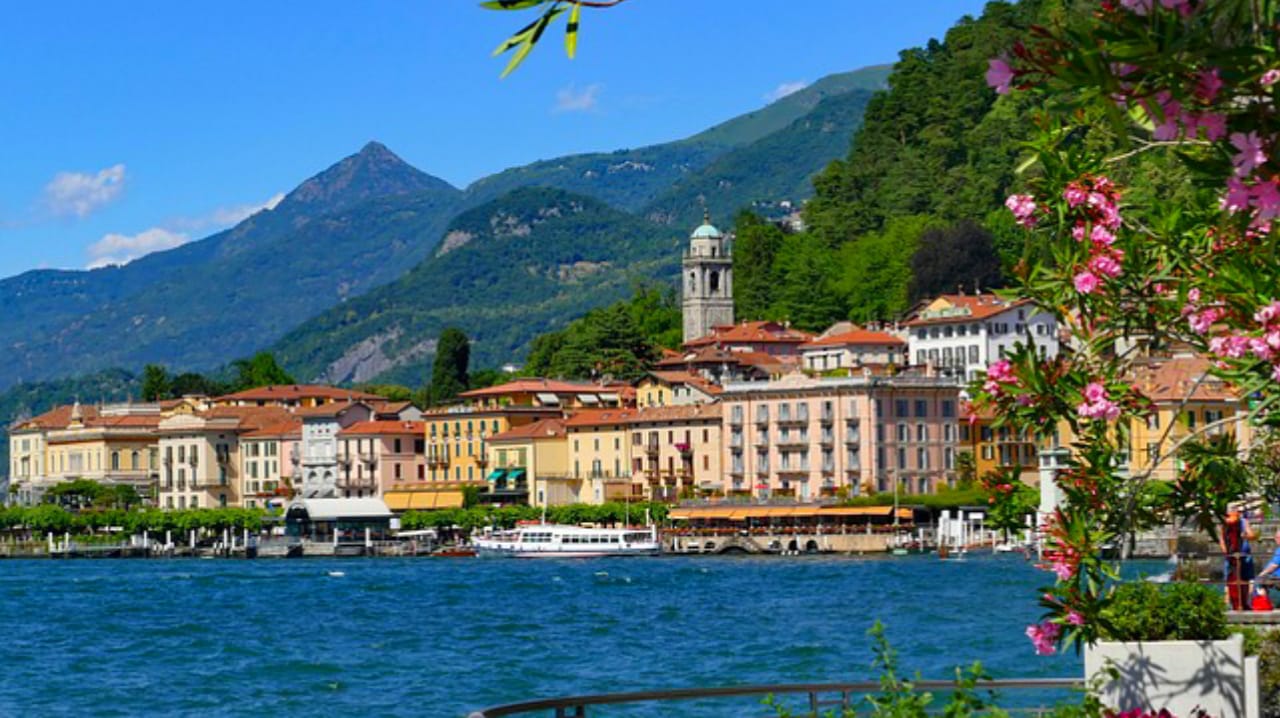
There’s a reason Lake Como keeps showing up on every most beautiful places in the world list. Tucked into the foothills of the Italian Alps in Lombardy, this glacial lake is ringed by pastel villages, cypress-dotted hillsides, and villas so grand they look like they were designed for a film set (several actually have been).
If you’re dreaming of gelato on a lakeside terrace, boat rides past centuries-old gardens, and mountain views that stop you mid-sentence, you’re in the right place.
This Lake Como vacation itinerary is built for first-time visitors who want to see the highlights without rushing, but it also includes tips for travelers with more or less time. Whether you have a long weekend or a full week, here’s exactly how to plan a trip to Lake Como that feels relaxed, well-paced, and unforgettable.
Why Lake Como Deserves a Spot on Your Travel List
Lake Como isn’t just one town it’s a whole constellation of villages strung along the shoreline of Italy’s third-largest lake. Each town has its own personality. Bellagio is polished and postcard-perfect. Varenna is quieter and more romantic. Como city is a real, working Italian city with a Milan-adjacent buzz. Menaggio feels like a laid-back lakeside resort.
The lake itself is shaped like an upside-down Y, which means the views constantly shift depending on where you’re standing. One minute you’re looking at snow-capped peaks in the distance, the next you’re staring at a 16th-century villa with gardens tumbling down to the water. It’s compact enough to explore in a few days but layered enough to reward a longer stay.
Lake Como also has the advantage of being genuinely easy to reach. It’s about an hour from Milan by train, which makes it a natural add-on to an Italy trip that includes Milan, Venice, or the Swiss border towns just north.
Best Time to Visit Lake Como
Timing matters a lot here, both for weather and for crowd levels.
Late April to early June: is arguably the sweet spot. The gardens are in full bloom, temperatures are comfortable for hiking and walking tours, and the crowds haven’t hit their peak yet.
July and August: bring the warmest weather and the busiest ferries, restaurants, and photo spots. If you’re set on a summer trip, book accommodations and popular restaurants well in advance, and expect to share those famous viewpoints with a lot of other people.
September and early October: offer a wonderful middle ground: warm days, cooler evenings, thinner crowds, and the first hints of autumn color on the hillsides. Many travelers consider this the best time to visit Lake Como for a balance of good weather and manageable tourist numbers.
Winter (November through March): is quiet, cold, and a little melancholic in the best way. Many hotels, restaurants, and ferry routes reduce their schedules or close entirely, so this isn’t the ideal season for a first visit, but it can be atmospheric if you’re looking for solitude and don’t mind limited services.
How to Get to Lake Como
Most travelers arrive via Milan, which has two major airports: Malpensa and Linate, plus the smaller Bergamo airport that’s popular with budget airlines.
From Milan Central Station, regional trains run directly to Como San Giovanni station in about 35–40 minutes, making it one of the easiest day-trip-turned-full-trip destinations in Italy. From Como, ferries and buses fan out to the rest of the lake’s towns.
If you’re coming from Malpensa Airport, there are direct train and bus connections to Como that skip Milan city center entirely, which can save you time if you’re heading straight to the lake.
Renting a car is another option, especially if you want flexibility to explore smaller villages and the surrounding mountains. Keep in mind that many lakeside towns have narrow, congested streets and limited parking, so a car is more useful for exploring the region than for getting around the towns themselves.
Getting Around Lake Como Ferries, Buses, and Cars
Once you’re on the lake, the ferry system run by Navigazione Laghi is your best friend. It connects nearly every town on the lake, and the slower, cheaper “traghetto” boats are just as scenic as the pricier fast ferries sometimes more so, since you get more time on the water.
A few practical tips:
- Buy a day pass if you’re planning to hop between three or more towns in one day; it usually works out cheaper than individual tickets.
- Car ferries cross the lake at a few points (Bellagio–Menaggio–Varenna is the main triangle), which is useful if you’re driving and want to avoid backtracking around the shoreline.
- Buses run along the lake’s edges and are reliable, if a little slower than boats, especially during peak season traffic.
- Renting a small boat for a few hours is a memorable splurge if you want to explore hidden coves and private-feeling swimming spots at your own pace.
The Perfect Lake Como Vacation Itinerary
Here’s a full itinerary that works well whether you have four days or a full week shorter-trip tips are included at the end of each section.
Day 1: Arrival in Como City
Start your trip in Como, the lake’s namesake city and a great base for your first night. It’s less “postcard village” and more real Italian city, with a walkable historic center, a striking marble cathedral (the Duomo di Como), and a lively passeggiata along the water in the evenings.
Spend your first afternoon wandering the old town’s cobblestone streets, popping into the Duomo, and grabbing an espresso in Piazza del Duomo. As evening approaches, head to the lakeside promenade near Piazza Cavour for aperitivo a pre-dinner drink with snacks that’s practically a national pastime in Italy.
For a bit of a view without too much effort, ride the Como–Brunate funicular, a short cable car that climbs from the lakefront up to the hilltop village of Brunate. From the top, you get sweeping views over the lake and, on clear days, the Alps beyond. It’s a great low-effort way to get your first “wow” moment of the trip.
Where to stay in Como: The city has a wider range of budget-friendly hotels than the smaller villages, making it a smart first-night base, especially if you’re arriving late or on a tighter budget.
Day 2: Bellagio, the “Pearl of Lake Como”
No Lake Como itinerary is complete without a day in Bellagio, often called the pearl of the lake for good reason. Take the ferry from Como (about an hour, and a beautiful ride in itself) and spend the day exploring.
Bellagio’s charm is in its details: narrow stepped alleyways lined with shops, flower-draped balconies, and views across the water toward the mountains from nearly every angle. Wander through the historic center, then visit Villa Melzi’s gardens, a beautifully landscaped estate right on the water with statues, shaded pathways, and lake views that make it one of the most photographed spots on Como.
If you have energy left, the Villa Serbelloni gardens (a separate estate from the historic hotel of the same name) offer another lovely garden walk with panoramic viewpoints though access is typically limited to guided tours at set times, so check ahead.
For lunch, look for a trattoria slightly off the main tourist strip; prices drop and quality often goes up just a block or two away from the ferry dock. Bellagio is also an excellent base for a couple of nights if your budget allows, since staying overnight lets you enjoy the town after the day-trippers leave.
Shorter trip tip: If you only have a few days, Bellagio is the one town you shouldn’t skip. Consider basing yourself here for two nights instead of Como city.
Day 3: Varenna and the Villages Across the Lake
From Bellagio, hop on a quick ferry (about 15–20 minutes) to Varenna, one of the most romantic and least crowded towns on the lake. Where Bellagio can feel busy in peak season, Varenna retains a sleepy, lived-in charm.
Walk the Passeggiata degli Innamorati (Lovers’ Walk), a short lakeside path connecting the harbor to the old town, with waterfront cafés and colorful buildings reflecting in the water. Visit Villa Monastero, a former monastery turned lakeside villa with terraced botanical gardens that are some of the prettiest on the whole lake many visitors argue they rival Bellagio’s gardens without the crowds.
If you’re up for a bit of a workout, hike up to the ruins of Castello di Vezio, perched on a hill above Varenna. The climb takes about 20–30 minutes depending on your pace, and the payoff is a sweeping view over the lake and surrounding villages. The castle grounds occasionally host falconry demonstrations, which are a fun surprise if the timing works out.
In the afternoon, take a short ferry ride to Menaggio, on the opposite shore, for a change of scenery. It’s a relaxed resort town popular with hikers and cyclists, with a pleasant lakefront promenade and a more local, less touristy feel than Bellagio.
Shorter trip tip: If time is tight, prioritize Varenna over Menaggio the gardens and the castle hike are worth the extra effort.
Day 4: Villa del Balbianello and the Western Shore
Dedicate today to one of the most iconic sights on the lake: Villa del Balbianello, a stunning 18th-century estate perched on a wooded promontory near Lenno. You may recognize it without realizing it scenes from Star Wars: Attack of the Clones and the James Bond film Casino Royale were filmed here, along with countless wedding photoshoots.
The villa is only accessible by boat or a short walk from Lenno, and access to the gardens (and the house itself, if you book a guided tour) is limited by timed tickets, so reserve in advance, especially in peak season. The terraced gardens, loggia, and views back across the lake toward the mountains make this one of the true must-see stops on any Lake Como itinerary.
Afterward, explore Lenno itself, a small, low-key village with a pleasant lakeside piazza, or continue to Tremezzo to visit Villa Carlotta, another grand estate known for its azalea and rhododendron gardens (especially spectacular if you’re visiting in spring) and a small but interesting art collection inside the villa.
Shorter trip tip: If you have to choose one villa garden to see on the whole trip, many travelers rank Villa del Balbianello as the top pick for its dramatic setting.
Day 5: Slow Down and Explore at Your Own Pace
By now you’ve covered the highlights, so use this day to slow down. A few ideas depending on your interests:
- Rent a small boat for a few hours and explore quieter coves, swim in the lake, or simply drift past villas you didn’t have time to visit on land.
- Hike part of the Greenway del Lago di Como, a scenic walking path connecting several villages along the western shore, with lake views the whole way.
- Take a cooking class in one of the lakeside towns many focus on regional specialties like risotto, fresh lake fish, and homemade pasta.
- Visit Isola Comacina, the lake’s only island, reachable by boat from Sala Comacina or Ossuccio, with archaeological ruins and a small restaurant with an unusual multi-course tasting menu tradition.
- Day trip to Switzerland: Lake Como is close enough to the Swiss border that you can visit Lugano for the day if you want a taste of another country without much extra travel time.
This kind of flexible day is what turns a checklist trip into a memorable one, and it gives you buffer time in case weather or ferry schedules disrupted your earlier plans.
Day 6 and 7 (For a Full Week)
If you have a full week on Lake Como, consider these additions:
- Explore Como’s silk history. Como has been a center of silk production for centuries, and the Museo Didattico della Seta (Silk Museum) offers an interesting look at this less-visited side of the region’s identity.
- Visit smaller, quieter villages like Pescallo (a tiny fishing hamlet near Bellagio), Nesso (famous for its dramatic Orrido gorge and waterfall), or Torno, which sees a fraction of the visitors that Bellagio does.
- Take it slow in Bellagio or Varenna with a full lazy day: long lunches, an afternoon nap, an evening boat ride to watch the sunset over the water.
- Drive or bus up into the mountains above the lake for alpine views and cooler air, especially appealing during a summer visit.
A week gives you enough breathing room to balance sightseeing with genuine relaxation, which, honestly, is the whole point of a Lake Como vacation.
Where to Stay on Lake Como
Choosing a base depends on your travel style and budget.
Como city offers the widest range of accommodations and prices, good transport connections, and a livelier, more urban feel in the evenings. It’s a smart choice if you’re watching your budget or arriving/departing late.
Bellagio is the most iconic and central base, with easy ferry access to most of the lake, but it comes with higher prices and bigger crowds, especially in summer.
Varenna offers a quieter, more romantic alternative to Bellagio, with excellent ferry connections and slightly better value for similar charm.
Menaggio works well for travelers interested in hiking, cycling, or simply wanting a more local, less touristy base with easy access to both the lake and the mountains behind it.
If your itinerary is longer than four or five days, consider splitting your stay between two bases — for example, two nights in Como followed by three or four nights in Bellagio or Varenna — so you’re not spending too much time on ferries and check-ins.
What to Eat on Lake Como
The food here draws on both classic Lombard cooking and lake-specific ingredients you won’t find everywhere in Italy.
Look for missoltini, a traditional dried and salted lake fish that’s a local specialty, usually served with polenta. Risotto shows up constantly, often flavored with local fish or seasonal vegetables. Polenta in general is a staple of the region, served alongside stews, mushrooms, or grilled meats.
Don’t skip gelato at any opportunity lakeside towns are full of small, family-run gelaterias that are worth seeking out over the bigger chain-style shops. And of course, an evening aperitivo a drink like an Aperol Spritz or a local wine paired with a spread of small snacks is one of the most enjoyable rituals of any Italian lake town, best enjoyed at a table with a water view as the sun goes down.
For a sit-down dinner, prioritize restaurants slightly away from the main tourist strips in each town; you’ll often find better food, friendlier service, and lower prices just a short walk from the busiest piazzas.
Budget Tips for a Lake Como Trip
Lake Como has a reputation for being expensive, and the marquee villas and five-star hotels can certainly add up. But there are plenty of ways to enjoy the lake without overspending.
- Use ferries strategically. Day passes are more economical than individual tickets if you’re visiting multiple towns, and the slower boats are cheaper than the fast ferries while offering just as much scenery.
- Base yourself in Como city or Menaggio rather than Bellagio, and take day trips to the pricier towns instead of paying for accommodations there.
- Eat where locals eat. A short walk away from the main lakefront in any town usually means lower prices and fewer tourist-menu markups.
- Visit gardens and villas outside peak hours when ticket lines are shorter, and check for combined tickets if you’re visiting multiple sites in one day.
- Travel in shoulder season (May, June, or September) for lower accommodation prices and thinner crowds compared to July and August.
- Picnic occasionally. Grabbing bread, cheese, and fruit from a local market for a lakeside picnic is a lovely (and cheap) way to spend an afternoon.
What to Pack for Lake Como
Lake Como’s weather can shift quickly, especially in shoulder season, so layers are your friend. A few specifics worth packing:
- Comfortable walking shoes with good grip many towns have steep, cobbled streets, and hikes to spots like Castello di Vezio involve uneven terrain.
- A light rain jacket or umbrella, since mountain weather near the lake can bring sudden showers even in summer.
- A swimsuit, if you’re visiting in warmer months and want to swim or rent a boat.
- A nicer outfit or two for dinner, especially if you’re planning a splurge meal or an evening in Bellagio.
- A reusable water bottle, since many towns have public fountains with drinkable water.
- Sun protection, including a hat and sunscreen, since much of your time will be spent outdoors near open water.
FAQs
How many days do you need at Lake Como?
Four to five days is enough to see the main highlights Como, Bellagio, Varenna, and Villa del Balbianello without rushing. A full week allows for a more relaxed pace and time to explore smaller villages.
Is Lake Como worth visiting if you only have one day?
Yes, though you’ll need to be selective. A single day is best spent in Bellagio, or split between a quick stop in Como city and a short ferry ride to one other town.
Do you need a car at Lake Como?
Not necessarily. The ferry and bus network covers the main towns well, and a car can actually be a hassle in narrow village centers with limited parking. A car is more useful if you want to explore the surrounding mountains or smaller, less accessible villages.
Which town should I stay in on Lake Como?
Bellagio is the most central and iconic choice, Varenna offers a quieter alternative, and Como city is the most budget-friendly and practical base with the best transport links.
Is Lake Como expensive?
It can be, particularly in Bellagio and at the well-known luxury hotels, but budget-conscious travelers can absolutely visit affordably by basing themselves in Como or Menaggio and being selective about dining and activities.