If you’ve typed Metropolitan Museum of Art tours and tickets price into a search bar, you’re probably standing at the start of a New York City trip trying to figure out one simple thing: how much is this actually going to cost, and what’s the smartest way to book?
The good news is that the Met’s pricing system, while it has a few quirks, isn’t complicated once someone walks you through it. This guide breaks down every ticket category, every guided tour option, and every insider tip you need so you can book with confidence and spend your money on the right things like lunch on the rooftop instead of an overpriced skip the line add-on you didn’t actually need.
The Metropolitan Museum of Art, affectionately known as The Met, is the largest art museum in the United States and one of the most visited cultural institutions on the planet. It sits on the edge of Central Park on Manhattan’s Upper East Side and houses more than two million works of art spanning over 5,000 years of human history.
Whether you’re chasing Egyptian temples, Impressionist masterpieces, medieval armor, or a rooftop view of the Manhattan skyline, understanding the ticketing system before you arrive will save you time, money, and a fair amount of confusion at the admissions desk.
Metropolitan Museum of Art Ticket Prices at a Glance
Let’s get straight to the numbers, since that’s what most people are searching for.
- Adults: $30
- Seniors (65+): $22
- Students (with valid ID): $17
- Visitors with a disability: $22, and their care partner enters free (in person only)
- Children 12 and under: Free
- Members and Patrons: Free, unlimited entry
- New York State residents: Pay-what-you-wish
- Students from New York, New Jersey, and Connecticut: Pay-what-you-wish
That’s the full picture in one glance, but there’s important nuance buried in those numbers, especially around who qualifies for the pay-what-you-wish rate and how that policy actually works in practice.
Understanding the Met’s Two-Tier Admission System
Here’s where a lot of first-time visitors get tripped up. The Met didn’t always charge a fixed admission fee. For decades, it operated on a suggested donation basis for everyone who walked through the door you could technically hand over a nickel and walk in with a clear conscience. That changed in March 2018, when the museum introduced a two-tier system that’s still in place today.
Tier one: Suggested (pay-what-you-wish) admission. This applies only to New York State residents and to students currently enrolled in a school in New York, New Jersey, or Connecticut. If you fall into this group, you can pay literally any amount even a single cent and receive full admission.
Tier two: General admission. Everyone else, meaning the vast majority of domestic and international visitors, pays the fixed rate: $30 for adults, $22 for seniors, and $17 for students.
The distinction exists because the Met, while it’s a private nonprofit institution, sits on city-owned land in Central Park and has historically received public funding. The museum’s leadership has explained the pricing shift as a way to secure long-term financial stability while still preserving free or reduced access for local residents and students who might visit more frequently.
One practical note if you qualify for pay-what-you-wish pricing: to buy that ticket online, you generally need a New York State billing address on the card you’re using. New Jersey and Connecticut students typically can’t purchase the discounted rate online at all they need to show a valid student ID in person at the admissions desk. New York State residents without a NY billing address can also usually just show ID at the counter. It’s a small logistical wrinkle, but it trips people up constantly, so plan accordingly if this applies to you.
What Your Ticket Actually Includes
This is one of the best-kept secrets about the Met’s pricing, and it’s the single biggest reason the $30 adult ticket represents genuinely good value compared to many other world-class museums. A single general admission ticket includes same-day entry to both Met locations:
- The Met Fifth Avenue: the flagship building on Museum Mile, home to the majority of the collection, including the Temple of Dendur, the Arms and Armor galleries, the American Wing, and the European paintings collection.
- The Met Cloisters: a separate museum dedicated to medieval European art and architecture, built using elements from five actual French cloisters and set in Fort Tryon Park, roughly a 30-minute subway ride north of the main building.
That means for one ticket price, you’re technically getting entry to two distinct museums, provided you visit both on the same calendar day. Most travelers don’t attempt both locations in a single day simply because of the distance and the sheer scale of the main building alone, but if you’re planning an ambitious day of art-hopping, it’s worth knowing the value is baked into your ticket.
It’s also worth noting that the former Met Breuer building on Madison Avenue, which the museum used for modern and contemporary exhibitions for several years, is no longer part of the Met’s ticketing structure — that space is now operated separately.
A few practical caveats to keep in mind before you go: some galleries occasionally close temporarily for renovation work, so if there’s a specific wing or collection you’re traveling to see, it’s worth checking the museum’s current gallery closures list a day or two before your visit rather than assuming everything will be open.
Guided Metropolitan Museum of Art Tours
General admission gets you through the door, but if you want context, storytelling, and a curated path through a two-million-object collection, a guided tour is worth serious consideration. Wandering the Met without any plan is a wonderful way to get delightfully lost, but it’s also a fast way to miss the pieces you actually came to see.
There are two broad categories of guided tours available: those run directly through the museum and those offered by third-party tour operators and travel platforms.
Official Met Guided Experiences
The museum itself offers docent-led walks and thematic tours covering highlights of the permanent collection, as well as specialized talks tied to current special exhibitions. These are staffed by knowledgeable art experts and are designed to give structure to a visit that could otherwise sprawl across hours of undirected wandering.
Group visits of 10 or more people, along with any third-party guided tour regardless of size, are required to register with the museum in advance a detail that matters if you’re organizing a school trip, a corporate outing, or a large family reunion.
Third-Party Guided Tours
This is where most independent travelers end up booking, since third-party operators bundle admission with a guide and often add skip-the-line access. Pricing generally breaks down like this:
- Shorter highlights tours (roughly 2 hours): around $59 per person
- Extended tours (roughly 3 hours): around $74 per person
- Combo tours pairing the Met with a Central Park walk or a visit to nearby landmarks: pricing varies, typically in the $60–$100 range depending on length and inclusions
- Private and semi-private guided tours: priced higher, often starting around $100–$200+ per person or per small group, depending on group size, tour length, and operator
- Multi-day or multi-attraction passes bundling the Met with other NYC museums or attractions: pricing varies widely based on what’s included
These figures fluctuate by season, operator, and demand, so treat them as a general benchmark rather than a locked-in number. If you’re booking a guided tour, it’s worth comparing a couple of platforms rather than grabbing the first listing you see, since the exact same style of tour can vary meaningfully in price between providers.
What a Guided Tour Typically Includes
Most third-party guided tour packages bundle in:
- Skip-the-line entry to the museum
- A live guide (in person, occasionally with audio headsets for larger groups)
- A curated route through major highlights think the Egyptian wing, European paintings, and the Great Hall
- Sometimes, access to the rooftop terrace as an optional upgrade, weather permitting
What’s usually not included: hotel pickup and drop-off, food and drinks, gratuities for your guide, and any personal expenses along the way. Always read the fine print on a specific listing before booking, since inclusions vary from tour to tour.
Self-Guided vs. Guided Which Should You Choose?
This comes down to travel style, time constraints, and how deeply you want to engage with the art.
Choose self-guided if:
- You’re an experienced museum-goer who enjoys wandering at your own pace
- You’ve got a full day (or multiple visits) to explore
- You want to use the Met’s free digital guide app, which offers self-directed audio and visual content for many galleries
- Budget is a bigger concern than curation
Choose a guided tour if:
- This is your first visit and the scale of the collection feels overwhelming
- You have limited time a few hours instead of a full day
- You want historical and artistic context rather than reading every wall label yourself
- You’re traveling with family members or a group who’d benefit from a structured narrative
- Skip-the-line access matters to you during peak season
A hybrid approach works well for a lot of visitors: book a 2-hour guided highlights tour to hit the must-see pieces with context, then spend the rest of the day exploring independently once you’ve got your bearings.
How to Buy Metropolitan Museum of Art Tickets
You have a few reliable paths to purchase tickets, and each has trade-offs.
- The Met’s official website. This is the most direct and typically the cheapest way to buy standard general admission, since you’re paying face value with no booking fee layered on top. It’s also the only route for New York State residents purchasing pay-what-you-wish tickets online.
- Authorized third-party platforms (travel booking sites and tour marketplaces). These are useful if you want to bundle in a guided tour, skip-the-line access, or a combination ticket with another attraction like Central Park. Expect to pay a premium over face-value admission in exchange for that convenience or added experience.
- In person at the museum’s ticket counters. Still available, but expect longer wait times, especially during peak tourist season, weekends, and holidays. This is also the only option for NJ and CT students claiming the pay-what-you-wish rate.
However you book, your ticket is typically delivered digitally by email and can be shown directly on your smartphone at the entrance no printer required.
Is It Worth It for Frequent Visitors?
If you’re a New York local, a frequent visitor, or planning multiple trips to the city over the course of a year, a Met membership might pencil out better than repeated single-visit tickets. Membership starts at roughly $90 per year and includes unlimited free admission, priority access to special exhibitions, and invitations to members-only events.
Membership benefits typically extend to the member plus a guest, and often cover accompanying children as well. If you’re visiting with a partner or friend more than three or four times a year, the math starts to favor membership over paying full price on each individual visit.
Met Museum Hours and Best Times to Visit
Knowing when to go is just as important as knowing what to pay. The Met’s general hours run:
- Sunday through Thursday: 10:00 AM to 5:00 PM
- Friday and Saturday: 10:00 AM to 9:00 PM
- Closed: Wednesdays
The museum is also closed on Thanksgiving Day, December 25, January 1, and the first Monday in May (the same day the star-studded Met Gala takes over the Costume Institute).
For the calmest experience, aim for a weekday morning right at opening, or a Friday or Saturday evening after 6 PM once the day-trip crowds have thinned out. Weekends and school holiday periods tend to draw the largest crowds, and lines for both ticketing and bag check can stretch considerably during peak summer travel season.
Discounts, Free Admission, and Special Circumstances
Beyond the standard pay-what-you-wish policy for New York State residents and tri-state students, there are a few other ways to reduce or eliminate the cost of your visit:
- Children 12 and under are always free, regardless of residency.
- Members and Patrons enjoy unlimited free admission for themselves and a guest.
- Visitors with a disability pay the senior rate of $22, and a care partner accompanying them is admitted free when arranged in person.
- New York State residents can pay any amount they choose, including a token minimum, either online with a NY billing address or in person with valid ID.
- NY, NJ, and CT students can access pay-what-you-wish pricing in person with a valid student ID.
If you don’t fall into any of these categories, the fixed $30/$22/$17 pricing structure applies, and there generally aren’t additional discount codes or coupon-style deals for standard admission, since the museum controls its own pricing directly.
Be cautious of third-party sites advertising steep discounts on general admission often what they’re actually selling is a guided tour package at a markup, not a cheaper version of the same basic ticket.
Top Highlights Worth Planning Your Visit Around
With over two million objects in the collection, no single visit guided or otherwise will cover everything. If you’re trying to prioritize, these are consistently the pieces and galleries visitors travel specifically to see:
- The Temple of Dendur, an actual ancient Egyptian temple reconstructed inside a glass-walled gallery
- The European Paintings galleries, featuring major works from artists like Vermeer, Van Gogh, and countless other masters spanning centuries
- The Arms and Armor collection, a perennial favorite for families and history enthusiasts
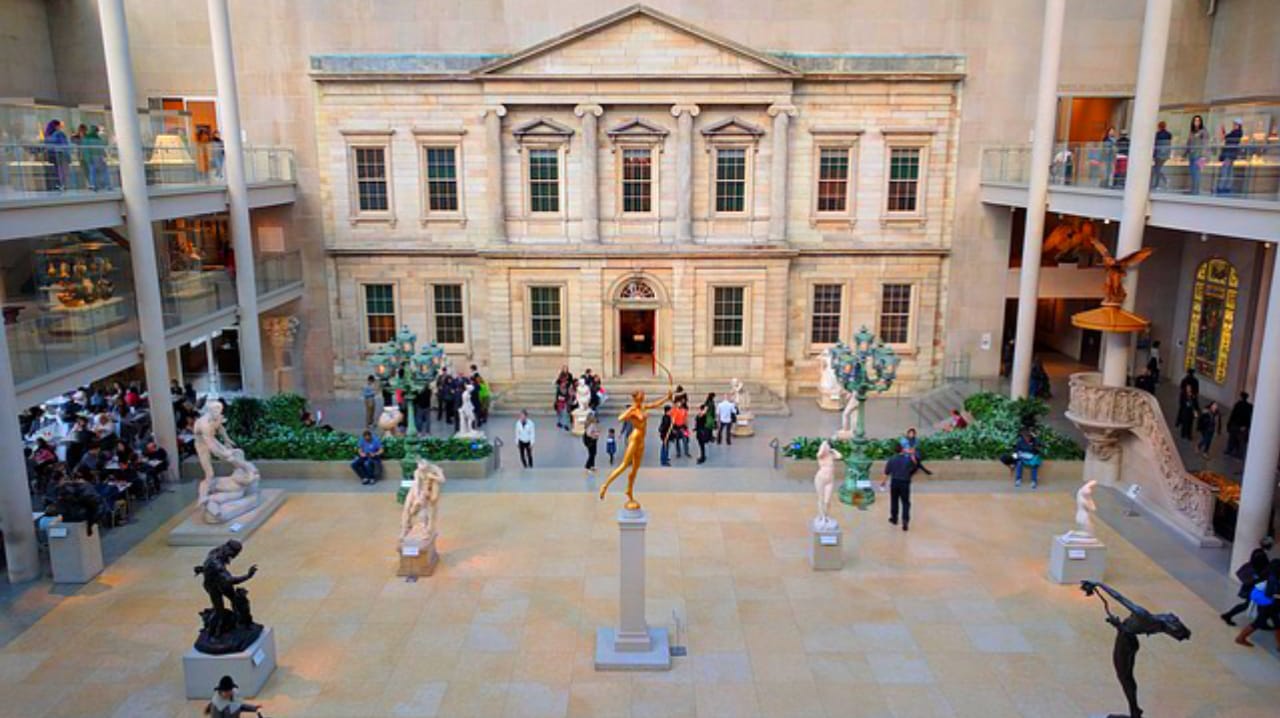
- The American Wing, including its glass-covered courtyard and period rooms
- The Costume Institute, home to the collection celebrated annually at the Met Gala
- Musical instruments galleries, an under-visited but fascinating corner of the museum
Note that some spaces, including certain modern and contemporary galleries and specific ancient art wings, periodically close for renovation, so if a particular piece or gallery is the centerpiece of your visit, it’s worth a quick check of current closures before you commit to a date.
Practical Tips for Visiting the Met
A few logistical notes that make a real difference once you’re actually there:
- Book online in advance whenever possible. It’s not just about convenience during peak season, online booking lets you walk past the ticket-counter line entirely and head straight to security and entry.
- Arrive early on weekdays if crowds bother you. The first hour after opening is consistently the quietest window.
- Pace yourself. The Met is roughly two million square feet. Trying to do the whole museum in one visit is a losing battle most seasoned visitors pick two or three wings per trip rather than attempting everything at once.
- Check gallery closures before you go, especially if a specific piece or wing is the reason for your visit.
- Treat the Cloisters as a separate trip. Even though it’s covered by the same ticket, the travel time and different atmosphere mean most visitors are happier planning it as its own half-day outing rather than squeezing it into the same day as the main building.
- Download the free digital guide app ahead of time if you’re going the self-guided route it adds useful context without the cost of a paid tour.
- Bring a physical or digital form of ID if you’re claiming pay-what-you-wish pricing, since it will be checked.
A Quick History of the Met’s Admission Policy
Understanding how the Met arrived at today’s pricing structure helps explain why it works the way it does — and why the pay-what-you-wish carve-out for New Yorkers exists at all. The museum was founded in 1870 by a group of American businessmen, financiers, artists, and civic leaders who wanted to bring world-class art and art education to the public. For well over a century, that founding spirit translated into a suggested donation model open to everyone: you could walk up, offer whatever felt fair, and gain full access to the collection.
That changed gradually. In 2011, the suggested adult donation rose from $20 to $25. Then, in March 2018, facing rising operating costs and a need for more predictable revenue, the museum shifted to the two-tier system described above, limiting the voluntary-payment option to New York State residents and tri-state-area students while introducing a fixed rate for everyone else.
The fixed rate has crept upward since then, most recently rising by $5 across the board to reach today’s $30/$22/$17 structure a change the museum attributed partly to inflation and the need to sustain operations after a period of reduced visitor revenue.
Admission is now one of the museum’s most consistent funding sources, alongside membership dues and philanthropic gifts, and it underwrites everything from conservation labs to the free educational programming the Met runs year-round.
How the Met Compares to Other NYC Museums
If you’re weighing the Met against other major New York institutions, it helps to see the pricing side by side. MoMA, the American Museum of Natural History, and the Guggenheim all charge fixed general admission in a broadly similar range generally $25 to $32 for adults with their own versions of discounted or suggested pricing for students, seniors, and sometimes New York residents.
What sets the Met apart is less the sticker price and more what that price unlocks: two full museum locations on one ticket, a collection roughly ten times larger than most peer institutions, and free same-day re-entry if you need to step out for lunch. Object for object, the Met remains one of the better values among New York’s marquee attractions, even if none of them could be called cheap.
Accessibility and Family Considerations
The Met has made real investments in accessibility, and it’s worth knowing what’s available before you go. Visitors with a disability qualify for the reduced $22 rate, and an accompanying care partner is admitted free when arranged in person at the admissions desk.
The museum offers wheelchairs on a first-come, first-served basis, accessible restrooms throughout the building, and elevators connecting all public floors. If you have specific mobility, sensory, or cognitive accessibility needs, it’s worth checking the museum’s accessibility resources ahead of your visit, since some programming including sensory-friendly hours and touch tours for visitors who are blind or have low vision requires advance registration.
Families traveling with young children will find the Met more manageable than its size suggests. Admission is free for children 12 and under, strollers are permitted throughout most galleries, and the museum runs regular family programming, including activity guides and weekend workshops aimed at younger visitors.
That said, the building’s scale can overwhelm kids quickly, so family visits tend to work best when built around two or three specific galleries the Arms and Armor collection and the Egyptian wing are consistent favorites rather than an open-ended wander through the whole museum.
Where to Eat and Rest During Your Visit
Budgeting for your ticket is only part of planning a Met visit realistically. The museum includes several dining options ranging from a casual cafeteria-style eatery to a seasonal rooftop bar with skyline views (weather permitting, and currently affected by the ongoing renovation of that space).
None of these are included in your admission ticket, so it’s worth factoring in an extra $15–$30 per person if you plan to eat inside the museum rather than stepping out. Because the Met can easily consume three to five hours of walking and standing, building in a deliberate seated break even just fifteen minutes with a coffee tends to make the back half of a visit far more enjoyable than pushing straight through
FAQs
Does one ticket cover both Met locations?
Yes. A single admission ticket includes same-day entry to both The Met Fifth Avenue and The Met Cloisters.
How much does it cost to get into the Metropolitan Museum of Art?
General admission is $30 for adults, $22 for seniors, and $17 for students. Children 12 and under are free, and New York State residents plus NY/NJ/CT students can pay what they wish.
Do I need to book tickets in advance?
It’s strongly recommended, especially during peak season and weekends, since advance booking lets you skip the ticket-counter line entirely.
What day is the Met closed?
The museum is closed every Wednesday, as well as Thanksgiving Day, December 25, January 1, and the first Monday in May.
Is Met membership worth it?
If you plan to visit more than a few times a year, yes membership starts at roughly $90 annually and includes unlimited free admission plus a guest, which can pay for itself quickly compared to repeated single-visit tickets.