
There’s a particular kind of magic that happens the moment your car climbs past Kurseong and the air turns cold, the tea bushes start crowding the road, and the first glimpse of snow-capped peaks appears through the mist. That’s Darjeeling announcing itself. Perched at over 6,700 feet in the Eastern Himalayas, this former British hill station has been pulling in travelers for over a century, and it hasn’t lost an ounce of its charm.
If you’re reading this, chances are you’ve already typed “Darjeeling tour package price” into a search bar more than once, trying to figure out what a realistic trip actually costs and what you get for your money. Fair enough the range of prices you’ll find online can be confusing, with quotes anywhere from a few thousand rupees to well over forty thousand per person.
This guide breaks down exactly why that gap exists, what a good Darjeeling tour package should include, how much you should realistically budget, and how to plan a trip that doesn’t leave you disappointed or overcharged.
Why Darjeeling Deserves a Spot on Your Travel List?
Before we get into the numbers, it’s worth understanding what makes this town special, because that context will help you decide which kind of package actually suits you.
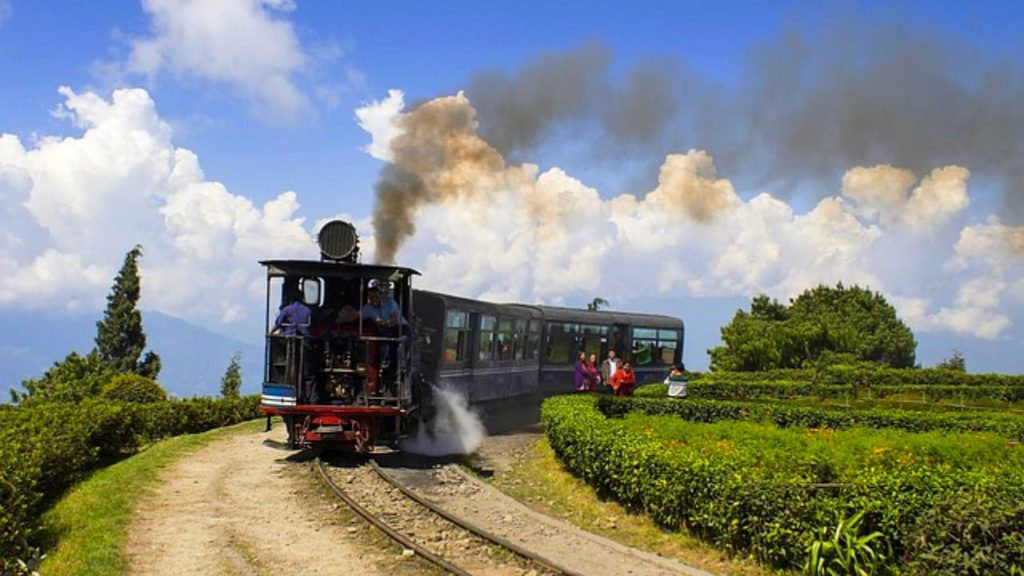
Darjeeling sits on a ridge in West Bengal, wrapped almost entirely by tea estates and facing the third-highest mountain in the world, Kanchenjunga. It’s a strange and wonderful mix of colonial-era architecture, Buddhist monasteries, Nepali and Tibetan culture, and some of the finest tea gardens on the planet. Add to that a 140-year-old narrow-gauge toy train that’s a UNESCO World Heritage Site, and you have a destination that appeals to honeymooners, families, solo backpackers, and serious trekkers alike.
Unlike many hill stations that feel like one long traffic jam in peak season, Darjeeling still manages to retain a slower, more contemplative pace once you get away from the main market. That’s part of why a well-planned tour package matters here you want enough structure to catch the sunrise at Tiger Hill and enough breathing room to just sit at a café on Mall Road with a cup of first-flush tea.
What Exactly Is a Darjeeling Tour Package?
A Darjeeling tour package is essentially a bundled travel plan put together by a tour operator, travel agency, or hotel group that combines several of the following elements into one price:
- Accommodation for a set number of nights
- Daily breakfast (and sometimes all meals)
- Airport or railway station pickup and drop, usually from Bagdogra Airport or New Jalpaiguri (NJP) Railway Station
- A private or shared vehicle for local sightseeing
- Entry to key attractions, sometimes including permits
- A local guide or tour coordinator
- Optional add-ons like the toy train joy ride, tea garden visits, or day trips to nearby Sikkim, Mirik, or Kalimpong
The appeal of booking a package rather than arranging everything yourself is simple: it saves you the hassle of negotiating cabs at unfamiliar altitudes, hunting for hotels during peak season, and figuring out which sightseeing spots are worth the entry fee. For a hill destination where roads can be narrow and genuinely confusing if you don’t know the area, having a local operator handle logistics is worth quite a bit.
Darjeeling Tour Package Price 2026
This is the part everyone wants to know, so let’s get straight into it.
Across most reputable Indian tour operators, Darjeeling tour package prices typically range from roughly ₹4,999 to ₹45,000+ per person, depending heavily on the type of package, duration, and season. Here’s how that breaks down in practice.
Budget Packages (₹5,000 – ₹12,000 per person)
These are usually short, no-frills packages covering 2 to 3 nights with a basic hotel or guesthouse, breakfast included, and shared or standard vehicle transfers. They typically cover the essential sights Tiger Hill sunrise, Batasia Loop, the toy train ride to Ghum, and a couple of monasteries. If you’re a backpacker or someone who just wants to hit the highlights without frills, this range works well. A four-day, three-night package with transfers, stay, breakfast, and sightseeing can start from around ₹7,500 to ₹8,000 per person on the more affordable end.
Mid-Range / Family Packages (₹12,000 – ₹25,000 per person)
This is where most travelers land, and honestly, it’s the sweet spot for value. These packages generally include a 3-star or well-rated boutique hotel, daily breakfast (sometimes half board with dinner included), a private vehicle rather than a shared one, and a more thoughtfully paced itinerary that covers not just Darjeeling town but also nearby spots like Mirik, Kalimpong, or a tea estate tour. Families and couples looking for comfort without going luxury usually find their best fit here.
Premium & Honeymoon Packages (₹25,000 – ₹45,000+ per person)
At the top end, you’re looking at heritage properties or luxury resorts with mountain views, private guided tours, curated candlelight dinners, spa sessions, and often a combined Darjeeling-Sikkim or Darjeeling-Gangtok itinerary. These packages are popular with honeymooners and travelers who want a more immersive, less rushed experience. Operators offering longer, multi-destination itineraries covering Sikkim and Darjeeling together often start from around ₹44,000 to ₹45,000 per person for more elaborate, multi-day trips.
What Actually Moves the Price Needle
If you’ve noticed wildly different quotes for what looks like a similar trip, it usually comes down to one or more of these factors:
- Duration of the trip: A short 3-day getaway will obviously cost less than a 7-day exploration covering Darjeeling, Kalimpong, and Sikkim together. More nights mean more hotel stays, more meals, and more fuel for the vehicle.
- Hotel category: This tends to have the single biggest impact on package price. A basic guesthouse and a heritage boutique hotel with a Kanchenjunga view can differ by thousands of rupees per night, even though both technically qualify as “accommodation.”
- Type of vehicle: Shared vehicles or Sumos bring costs down significantly, while a private SUV, especially for hill routes, adds a noticeable premium.
- Season: Peak months (roughly October to December, and again around April-May) see higher hotel tariffs and increased demand for vehicles, which pushes package prices up. Traveling in the shoulder season can save you a meaningful amount.
- Departure city: If your package includes flights or train tickets bundled in from cities like Mumbai, Bangalore, or Pune, the price will naturally reflect that additional travel distance compared to a package that only starts once you land in Bagdogra or NJP.
- Inclusions: A package that includes all meals, entry tickets, a toy train joy ride, and a local guide will cost more than a bare-bones stay-and-transfer deal but it also saves you from a string of small, annoying out-of-pocket expenses once you’re actually there.
- Group size: Solo travelers often pay a “single supplement,” while group bookings, especially through larger platforms, can come with discounted per-person rates, complimentary meals, or minor upgrades.
A Realistic Look at What Things Cost Individually
If you’d rather build your own itinerary instead of booking a fixed package, here’s a rough sense of individual costs in Darjeeling, so you can budget accordingly.
- Hotels: Budget guesthouses can run anywhere from ₹1,000 to ₹2,500 per night, mid-range hotels from ₹2,500 to ₹6,000, and premium or heritage properties upward of ₹8,000 to ₹15,000+ per night depending on the season and view.
- Local sightseeing by shared jeep: A half-day local sightseeing tour covering the main in-town attractions can be found for a few hundred rupees per person when shared.
- Private vehicle for a full day of sightseeing: Typically a few thousand rupees, depending on the number of stops and distance covered.
- Toy Train joy ride (Darjeeling to Ghum and back): A modest fixed fare per person, well worth it for the nostalgia and the views alone.
- Tiger Hill sunrise trip: Often bundled into a shared jeep tour at a fixed per-person rate, since most vehicles pool multiple travelers for the early morning run.
- Entry fees: Most individual attractions like Batasia Loop, the zoo, or the Himalayan Mountaineering Institute charge a modest entry fee, generally in the range of ₹10 to ₹100 per person.
- Meals: A simple thali or momo-and-thukpa meal can cost very little, while a sit-down dinner at a nicer restaurant on Mall Road will run higher.
Add these up across three or four days, and you’ll notice the total often lands surprisingly close to what mid-range packages charge which is exactly why many travelers prefer the convenience of a bundled deal rather than piecing everything together themselves.
Sample Itineraries and What They Typically Cost
2 Nights / 3 Days — The Quick Escape
This is ideal if you’re short on time but still want to catch the essentials. A typical structure looks like this:
- Day 1: Arrival at Bagdogra Airport or NJP Railway Station, transfer to Darjeeling (roughly 3 to 4 hours by road), evening free to explore Mall Road and Chowrasta.
- Day 2: Early morning Tiger Hill sunrise, followed by Batasia Loop, Ghoom Monastery, the toy train joy ride, Padmaja Naidu Himalayan Zoological Park, and the Himalayan Mountaineering Institute. Evening at leisure.
- Day 3: Visit a nearby tea estate, browse the local market for handicrafts and woolens, then transfer back to Bagdogra or NJP for departure.
This kind of trip typically falls into the budget-to-mid-range price bracket, often between ₹7,000 and ₹15,000 per person depending on hotel choice.
4 Nights / 5 Days — The Well-Rounded Trip
This adds a day trip or two and lets you slow down.
- Day 1: Arrival and transfer to Darjeeling, evening leisure.
- Day 2: Tiger Hill sunrise circuit Batasia Loop, Ghoom Monastery, toy train, zoo, HMI, Nightingale Park.
- Day 3: Full-day excursion to Mirik, known for Sumendu Lake and its pine-covered hills, or a trip to Kalimpong for its monasteries and flower nurseries.
- Day 4: Local Darjeeling exploration Rock Garden, Japanese Peace Pagoda, Observatory Hill, tea garden tour, and shopping at Mall Road.
- Day 5: Departure transfer.
This kind of itinerary usually sits in the ₹15,000 to ₹28,000 per person range, depending on hotel category and vehicle type.
6 Nights / 7 Days — Darjeeling with Sikkim or Gangtok
For travelers who want to combine the tea gardens of Darjeeling with the monasteries and mountain lakes of Sikkim, a longer combined itinerary is worth considering. This typically covers Darjeeling for 2 to 3 days, then moves on to Gangtok and possibly North Sikkim (Tsomgo Lake, Nathula, or Yumthang Valley depending on permits and season).
These extended packages generally start from around ₹35,000 and can go well beyond ₹45,000 per person for premium versions, largely because Sikkim requires additional permits, longer travel days, and often a change of vehicle at the state border.
The Best Time to Visit Darjeeling (And Why It Affects Price)
Darjeeling is a genuinely year-round destination, but the experience and the price shifts noticeably with the seasons.
March to May (Spring): This is peak season for a reason. The skies are generally clear, rhododendrons and orchids are in bloom, and the views of Kanchenjunga are at their best. It’s also when the famous first-flush tea is harvested, so tea enthusiasts should time their trip here. Expect higher hotel rates and busier viewpoints.
June to September (Monsoon): The hills turn a deep, dramatic green, but this is also when landslides and road blockages are most likely, and Kanchenjunga is often hidden behind clouds. Packages tend to be cheaper during this period, but you trade predictability for savings.
October to December (Autumn/Early Winter): Widely considered the best window for clear mountain views and comfortable weather, especially for catching the Tiger Hill sunrise with an unobstructed view of Kanchenjunga and, on exceptionally clear days, even Everest in the distance. This is peak tourist season, so book well in advance and expect prices on the higher side.
January to February (Winter): Cold, sometimes with light snowfall in town, and considerably quieter in terms of crowds. If you don’t mind bundling up, this can be a good time to find better package rates while still enjoying decent visibility.
If keeping costs down is a priority, the shoulder months just before or after the main October-to-December rush, or the early monsoon period in June, tend to offer a good balance of decent weather and lower prices.
Top Places That Should Be in Your Darjeeling Package
Whether you book a package or plan independently, make sure these make it onto your list:
Tiger Hill: The signature Darjeeling experience. Wake up before dawn, bundle into a jeep, and watch the sunrise paint Kanchenjunga gold. On exceptionally clear mornings, Everest is visible in the distance too. This is best done between October and April for the clearest skies.
Batasia Loop: A spiral railway loop built in 1919 to manage the steep gradient for the toy train, paired with a war memorial honoring Gorkha soldiers. It’s a quick but memorable stop, especially when the toy train winds through it.
Darjeeling Himalayan Railway (Toy Train): This UNESCO-listed narrow-gauge railway between Darjeeling and Ghum is less about the destination and more about the nostalgic, slow-motion journey through the hills.
Ghoom Monastery: One of the oldest Buddhist monasteries in the region, worth pairing with the toy train ride since it’s on the same route.
Padmaja Naidu Himalayan Zoological Park & Himalayan Mountaineering Institute: Home to snow leopards and red pandas, and right next door, a museum tracing the history of Himalayan mountaineering, including artifacts connected to Tenzing Norgay.
Happy Valley Tea Estate: A working tea garden where you can walk through the plantation, see the processing floor, and understand why Darjeeling tea earned its reputation as the “champagne of teas.”
Japanese Peace Pagoda: A serene, white-domed structure offering panoramic views over the town, ideal for a quieter, reflective stop.
Chowrasta and Mall Road: The social heart of Darjeeling, lined with cafés, handicraft shops, and woolen stores, perfect for an evening stroll and some souvenir shopping.
Rock Garden and Ganga Maya Park: A terraced garden built around a natural waterfall, popular for its landscaped charm and picnic spots.
If you have extra days, consider day trips to Mirik, known for its pine-fringed lake, or Kalimpong, which has a more relaxed pace, excellent flower nurseries, and its own set of monasteries.
How to Choose the Right Darjeeling Tour Package for You
With so many options floating around, here’s a simple way to narrow it down based on who you’re traveling with.
Solo travelers and backpackers: should look at budget packages or even build their own using shared jeeps and guesthouses, since flexibility matters more than fixed schedules here.
Couples and honeymooners: generally benefit from mid-range to premium packages that include a private vehicle, a nicer hotel with a view, and perhaps a candlelight dinner add-on. Since this is a trip meant to feel special, spending slightly more on accommodation quality tends to be worth it.
Families with kids or elderly members: should prioritize packages with a relaxed pace, comfortable private vehicles, and hotels that aren’t perched on impossibly steep staircases. Look for itineraries that don’t overload each day with too many stops.
Trekkers and adventure seekers: might want to look beyond the standard sightseeing package toward operators who specifically offer Sandakphu or Singalila National Park treks, which require different logistics and gear than a typical town-based itinerary.
Practical Tips Before You Book
Read the inclusions list carefully: Two packages priced similarly can differ enormously in value depending on whether meals, entry tickets, and the toy train ride are included or charged separately.
Ask about the vehicle type: A shared Sumo and a private SUV are not the same experience, especially on narrow hill roads where comfort matters more than you’d expect.
Check the hotel’s actual location: Some properties advertised as “Darjeeling” are technically located outside the main town, which can mean extra commute time for sightseeing.
Confirm sunrise viewpoint logistics: Tiger Hill trips typically leave around 3:30 to 4 AM, and vehicles need permits that can sell out during peak season, so this should be pre-arranged rather than left to chance.
Factor in Kanchenjunga’s mood: Even the best-planned Tiger Hill trip depends on the weather. A cloudy morning happens, and it’s worth having a backup plan like the Kanchenjunga viewpoint near Mahakal Mandir, which is quieter and closer to town.
If you’re heading onward to Sikkim: remember that Indian citizens don’t need special permits for Darjeeling itself, but an Inner Line Permit is required for Sikkim, which most good tour operators will arrange as part of a combined package.
Book early for October-December travel: This is peak season, and both hotel rates and vehicle availability tighten up considerably as the dates approach.
How to Reach Darjeeling
Since this affects your overall package price, it helps to understand the routes before you book.
By Air: The nearest airport is Bagdogra, near Siliguri, roughly 70 to 90 km from Darjeeling depending on which part of town you’re headed to. The drive up takes about 3 to 4 hours by road, winding through Kurseong and past the tea gardens that give the region its identity. Most well-connected metro cities have regular flights into Bagdogra, and this is by far the fastest way in.
By Train: New Jalpaiguri (NJP) is the nearest major railway station, well connected to most parts of the country. From NJP, it’s a similar 3 to 4 hour drive up to Darjeeling.
By Road: If you’re already in the region, shared jeeps and private taxis run regularly between Siliguri, NJP, Bagdogra, and Darjeeling. This is also how most travelers move between Darjeeling and nearby destinations like Kalimpong, Mirik, or Gangtok.
Most tour packages already factor in a pickup from Bagdogra or NJP, so unless you’re arranging your own transport, this part of the journey is usually handled for you the moment you land or arrive by train.
A Quick Cost Snapshot
To bring everything together, here’s a simplified way to think about where your money goes on a typical Darjeeling trip:
- Accommodation usually accounts for the largest share of any package price, followed by
- Transport, particularly if you opt for a private vehicle over a shared one, then
- Meals, which can be kept modest or upgraded depending on preference, and finally
- Sightseeing and activities, which are relatively inexpensive individually but add up when you include the toy train, entry fees, and any optional experiences like tea tasting sessions or nature walks.
FAQs
How many days are enough for Darjeeling?
Two to three days comfortably cover the main highlights Tiger Hill, the toy train, Batasia Loop, and central sightseeing. If you want to add day trips to Mirik, Kalimpong, or a proper tea estate experience, stretch it to four or five days.
Is Darjeeling expensive to visit?
Not particularly. Compared to many other Himalayan hill destinations, Darjeeling remains reasonably affordable, especially outside peak season. A comfortable mid-range trip for a couple can be managed well within a modest overall budget.
What’s the cheapest way to visit Darjeeling?
Traveling during the shoulder season, opting for shared vehicles instead of private ones, choosing guesthouses over hotels, and sticking to a focused 2-3 day itinerary are the easiest ways to keep costs down.
Do Darjeeling tour packages include flights?
Usually not, unless specifically advertised as such. Most packages start from Bagdogra Airport or NJP Railway Station, and you’ll need to book your flight or train to reach there separately, unless you choose a package explicitly bundled with airfare from your home city.