Perched at over 2,000 metres in the Himalayan foothills, Darjeeling is one of those rare destinations that genuinely changes character with the seasons. One month it’s rolling mist and steaming cups of tea; the next, it’s crisp blue skies with Kanchenjunga glowing gold at sunrise.
So when is the best time for a Darjeeling tour? The honest answer is: it depends on what you’re chasing mountain views, tea garden greenery, snowfall, or a quiet, crowd-free hill station experience. This guide breaks down every season so you can plan your trip around exactly what you want to see and do.
The Best Time for Darjeeling Tour
If you want the single best window, aim for March to May (spring/early summer) or October to early December (post-monsoon autumn). These two stretches offer the clearest skies, the best mountain visibility, comfortable daytime temperatures, and fully functional sightseeing including toy train rides and cable car trips. Between the two, autumn generally has the edge for photography and unobstructed Kanchenjunga views, while spring wins for lush greenery and milder evenings.
That said, each season in Darjeeling has its own charm, and plenty of travelers deliberately choose the “off” months for reasons of their own. Let’s look closer.
Spring and Early Summer (March to June)
March through May is widely considered peak tourist season in Darjeeling, and for good reason. Daytime temperatures hover in a comfortable range, skies are mostly clear, and the entire hillside comes alive with color as rhododendrons and magnolias bloom, especially along the Singalila ridge. This is also when the tea gardens hit their famous “first flush,” giving the slopes a vivid, almost electric green that photographs beautifully.
Because the weather is so cooperative, spring is an excellent time for:
- Sightseeing: Tiger Hill sunrise views, Batasia Loop, the Padmaja Naidu Himalayan Zoological Park, and the Himalayan Mountaineering Institute are all easily accessible.
- The Darjeeling Himalayan Railway (Toy Train): The UNESCO-listed joyride runs smoothly on dry tracks, without the disruptions monsoon rains can cause.
- Families and first-time visitors: Mild weather makes it easier to manage kids and elderly travelers on hill station walks.
By June, though, the character starts to shift. Mist thickens as the monsoon approaches, roads can become trickier to navigate, and hotel prices often start dropping as the crowds thin out heading into the rains. If you’re planning a spring trip, aim for late March through May for the sweet spot of clear skies and blooming landscapes, and try to avoid the tail end of June unless you don’t mind some added moisture in the air.
Monsoon Season (July to September) Misty, Moody, and Off the Beaten Path
Darjeeling’s monsoon is intense humidity often climbs above 90%, and the region can see heavy rainfall over these three months. This is generally considered the least favorable time for a typical sightseeing-focused trip. Landslides are a real risk on certain hill roads, and services like the toy train or cable car rides may be temporarily suspended when conditions get rough.
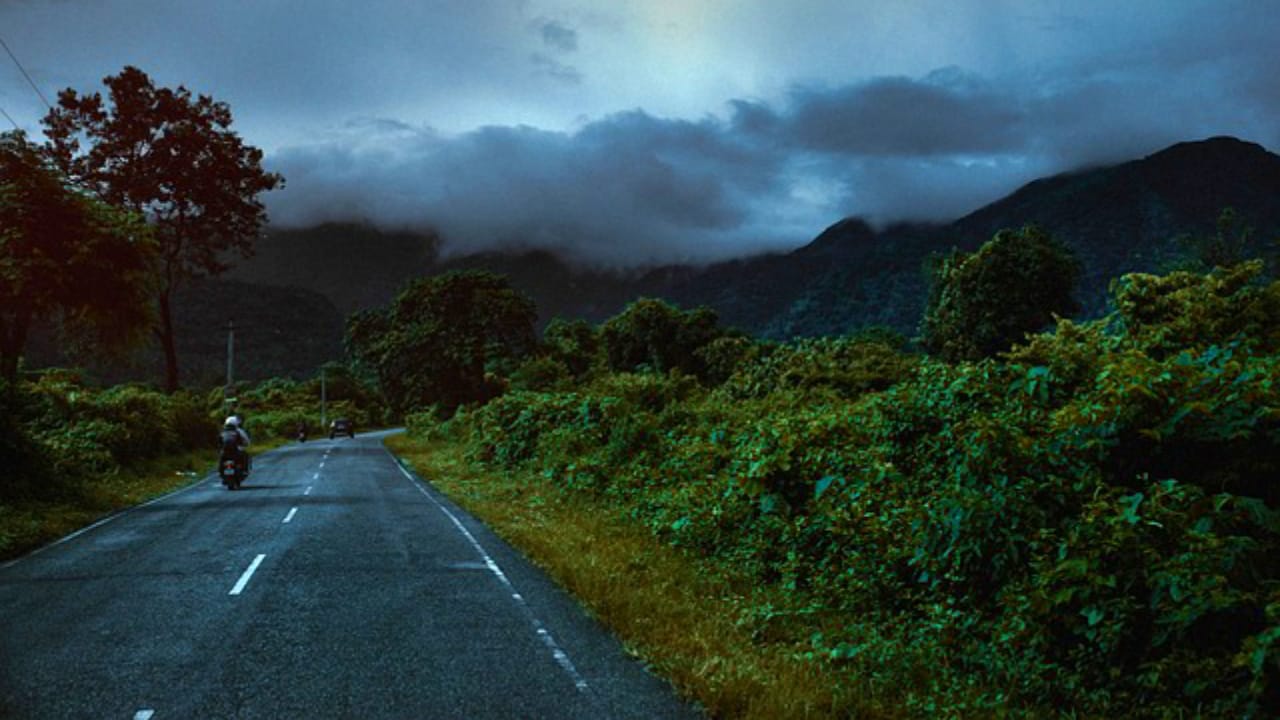
That said, monsoon season isn’t without its appeal. The tea gardens turn an almost impossibly lush, saturated green, and the town takes on a soft, romantic, fog-draped look that many photographers and writers find genuinely captivating. If you’re the sort of traveler who enjoys quiet cafes, hot cups of Darjeeling tea while rain patters on tin roofs, and a much smaller crowd of fellow tourists, this could actually work in your favor just go in with realistic expectations, flexible plans, and good rain gear.
Practical tips for a monsoon visit:
- Pack a proper umbrella, waterproof shoes, and a light rain jacket.
- Build extra buffer days into your itinerary in case of road closures.
- Check current landslide and road advisories before finalizing travel dates, especially if you’re planning day trips to nearby areas like Mirik or Kalimpong.
- Book accommodations with flexible cancellation policies.
Post-Monsoon Autumn (October to December)
If there’s one season that consistently gets voted the best time for a Darjeeling tour, it’s autumn. Once the rains taper off in late September and October, the air clears dramatically, humidity drops, and the mountain views become sharper than at almost any other point in the year. This is prime time for catching the classic Tiger Hill sunrise, when the first light hits Kanchenjunga and turns the snow-capped peak a brilliant gold and pink.
October and November, in particular, are often cited as the two best months to visit for photography and general sightseeing. Daytime temperatures are cool and comfortable, evenings turn brisk, and the entire town has a crisp, energetic feel to it.
There’s a catch, though: this is also peak season, largely because it coincides with Durga Puja and Dashain holidays in late September and October, which bring a heavy wave of domestic tourists, particularly from West Bengal. Expect the highest hotel rates of the year and busier viewpoints during this exact window. If you want the autumn clarity without the festival crowds, targeting November into early December is a smart workaround the skies stay largely clear, but the visitor numbers ease off considerably.
By December, temperatures start dropping fast, especially at night, setting the stage for Darjeeling’s cold winter months.
Winter (December to February)
Winter is Darjeeling’s most underrated season, and it deserves more attention than it usually gets. Daytime temperatures typically range from around 3°C to 12°C, while nights can dip near or below freezing in January and February. It’s genuinely cold but the payoff is worth it for the right kind of traveler.
Skies during winter tend to stay remarkably clear and dry, which means excellent, uninterrupted mountain views on many days. Crowds thin out considerably compared to autumn’s peak, hotel rates often drop, and the town takes on a slower, cozier pace that suits travelers looking for a peaceful hill escape rather than a packed sightseeing checklist.
Snowfall in Darjeeling town itself is rare and never guaranteed when it does happen, it’s usually a light dusting sometime between late December and January. Higher-altitude points like Sandakphu see snow far more reliably, so if snow is your main goal, consider building a side trip there into your itinerary. Regardless of snowfall, frost on the tea bushes and a biting morning chill at Tiger Hill are practically guaranteed, so pack serious woollens, a down jacket, and warm layers if you’re visiting between December and February.
Winter is particularly well-suited to:
- Honeymooners and couples: seeking a quiet, atmospheric hill station experience.
- Photographers: chasing crisp mountain light and frosty tea garden scenes.
- Budget-conscious travelers: since off-peak winter rates tend to be noticeably lower than the autumn festival season.
Choosing Your Season
- Best for mountain views and photography: October to December (especially November).
- Best for lush green tea gardens and blooming flowers: March to May.
- Best for budget travel and fewer crowds: Winter (January–February) or early monsoon (June).
- Best for a moody, romantic, low-key trip: Monsoon (July–September), with flexible plans.
- Best for honeymoons and peaceful getaways: December to February.
- Best for family sightseeing trips: April to June, before the rains set in.