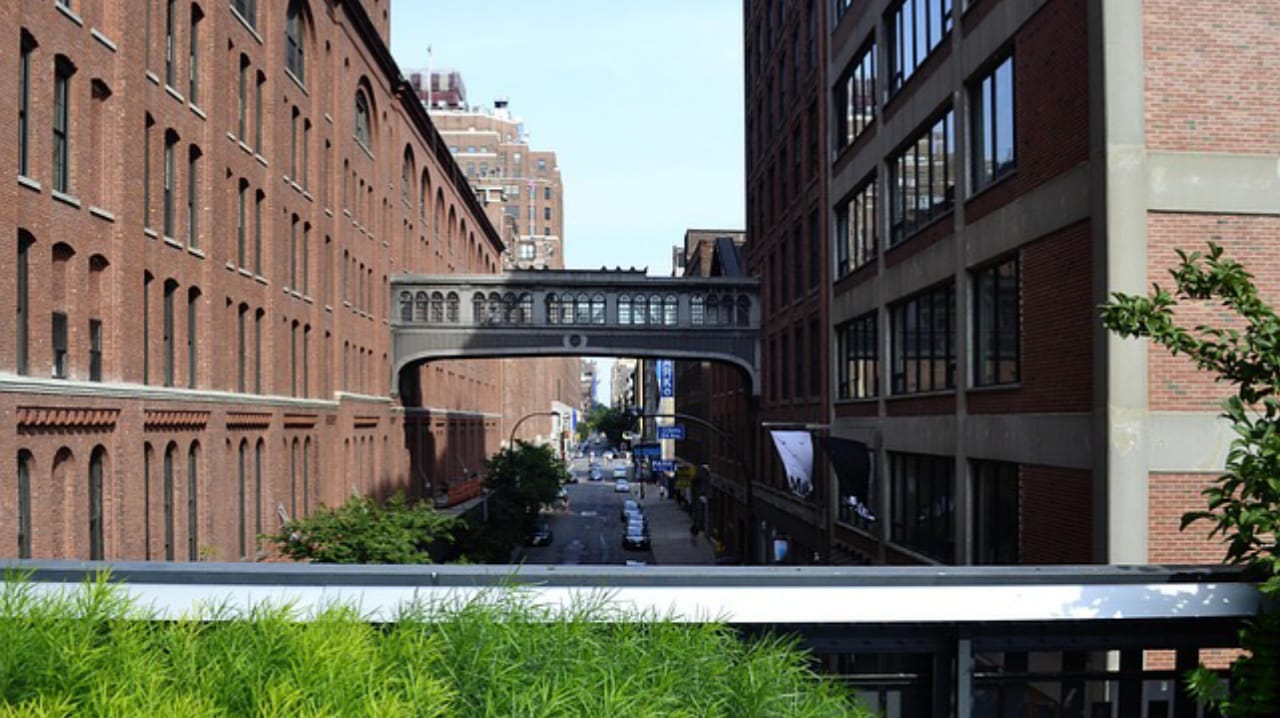
If you’re planning a trip to New York City, chances are the High Line is already on your list and chances are you’ve also typed some version of “High Line tickets price” into a search bar, wondering how much this famous elevated park is going to cost you.
Here’s the short answer: nothing. The High Line is completely free to walk. But that one-line answer doesn’t tell the whole story, because there’s a whole ecosystem of guided tours, food experiences, and nearby paid attractions that people often bundle with their visit and knowing the difference can save you both money and a wasted afternoon.
This guide breaks down exactly what’s free, what’s paid, when to go, how to get there, and which guided tours are actually worth booking if you want more than a self-guided stroll.
What Is the High Line, Exactly?
The High Line is a 1.5-mile elevated park built on a former freight rail line running along Manhattan’s West Side, from the Meatpacking District up through Chelsea and into Hudson Yards. It was originally constructed in 1934 as part of a massive infrastructure project called the West Side Improvement, and reopened as a public park starting in 2009.
Instead of trains, the tracks now carry a landscaped walkway lined with native grasses, wildflowers, art installations, and some of the best skyline and Hudson River views in the city.
It’s not a traditional park with open lawns it’s a narrow, linear greenway, which means the experience is more like a scenic walk than a place to spread out a picnic blanket. That distinction matters when you’re deciding how much time to budget and what kind of visit you’re after.
Is the High Line Free? (Yes — Here’s the Full Breakdown)
There is no fee to enter the High Line it is completely free. You don’t need to reserve a ticket, print anything, or stand in a ticket line. You simply walk up one of the stairways or take an elevator and start exploring.
This surprises a lot of visitors, because so many travel booking sites list “High Line tickets” for sale. What’s actually being sold on those sites isn’t park admission it’s one of a few different things:
- Guided walking tours of the High Line and surrounding neighborhoods
- Combo tours that pair the High Line with Hudson Yards, Chelsea Market, or the Vessel
- Food tours that use the High Line as a scenic backbone for tastings elsewhere
- City discount passes that bundle a High Line tour with other paid attractions like the Empire State Building or a Statue of Liberty cruise
So if you just want to walk the park, take photos, and enjoy the gardens on your own schedule, you can do that for $0. If you want context, stories, and a guide pointing out details you’d otherwise walk right past, that’s where paid tours come in and we’ll get to real pricing on those shortly.
Free Docent-Led Tours (An Often-Missed Option)
Before you pay for a private tour, know this: the High Line’s own nonprofit operator runs free, docent-led public tours on a rotating schedule. These run Tuesdays, Wednesdays, Thursdays, and Saturdays from May through August; Tuesdays, Wednesdays, and Saturdays in September and October; and Wednesdays and Saturdays from November through April.
They’re led by trained volunteers who share the park’s history, horticulture, and public art program at no cost. Availability and exact times shift seasonally, so it’s worth checking the High Line’s official site or signing up for their email list shortly before your trip to lock in a spot.
If your goal is simply “understand what I’m looking at” without spending money, this is the best-kept secret on this list.
High Line Tour Prices: What Paid Tours Actually Cost
If you want a more curated experience a guide who can weave in neighborhood history, restaurant recommendations, or a route that connects the High Line to nearby landmarks third-party operators (Viator, Get Your Guide, Expedia, and independent local guide companies) sell tours that typically fall into these price bands:
- Self-guided audio tours: roughly $8–$10 per person, often discounted from a slightly higher list price. You get an app-based audio guide you can start whenever you like.
- Small-group walking tours of the High Line and Chelsea: around $34–$47 per person for a 2–3 hour experience.
- High Line + Hudson Yards + Vessel combo tours: typically $36–$64 per person, depending on length and what’s bundled in (some include Vessel admission, which itself carries a separate ticket price).
- Food-focused tours pairing the High Line with Chelsea Market or the Meatpacking District: generally $99–$105 per person, since the price includes multiple food tastings along the way.
- Fully private, customized walking tours: these run higher, often $150 and up, since you’re paying for a dedicated guide and a flexible itinerary rather than a shared group slot.
Prices fluctuate by season, group size, and which platform you book through, and most listings change frequently, so treat these as ballpark figures rather than fixed rates. It’s worth comparing two or three booking platforms for the same tour, since the same operator sometimes lists slightly different prices across sites.
Is a Paid Tour Worth It?
It depends on what you want out of the visit. A paid guide adds real value if you’re interested in the engineering history of the rail line, the specific plant species used in the park’s design, or the public art rotations details that aren’t posted on signage throughout the park.
If you’re mainly there for photos, fresh air, and a walk between two neighborhoods, the free self-guided route covers that perfectly well, especially if you pair it with the free docent tours mentioned above when the schedule lines up with your trip.
High Line Hours: When You Can Visit
The High Line’s hours change by season: from December 1 through March 31, it’s open 7am to 8pm, and from April 1 through November 30, it’s open 7am to 10pm. The park is open every day of the year, including holidays, though individual sections can close temporarily for high winds, snow, or maintenance work, so it’s worth a quick check of the official site the morning of your visit if the weather looks rough.
Best Time of Day and Year to Go
- Early morning (7–9am): The quietest window, especially in summer. You’ll get soft light for photos and far fewer crowds.
- Weekday visits over weekends: Weekends draw the heaviest foot traffic, particularly midday.
- Spring (April–May) and fall (September–October): Widely considered the best seasons mild temperatures and the gardens are at their most colorful.
- Summer: Hot, humid, and the most crowded stretch of the year, though evenings cool off nicely and the park stays open until 10pm.
- Winter: Cold and often windy on the elevated walkway, but peaceful, with far fewer visitors and a very different, quieter atmosphere.
How Long Does It Take to Walk the High Line?
Walked end to end without stopping, the High Line takes about 45 to 60 minutes. But almost nobody does that most visitors stop for photos, sit on the built-in benches, browse the art installations, or grab something from a food vendor.
Budget 90 minutes to 2 hours if you actually want to enjoy it rather than rush through it, and longer still if you’re combining it with a meal at Chelsea Market or a stop at the Vessel.
Where the High Line Starts, Ends, and How to Get In
The park runs roughly twenty blocks, spanning from Gansevoort Street in the Meatpacking District up to West 34th Street near Hudson Yards, with entry points spaced every few blocks along the way. You don’t have to start at either end you can hop on and off at whichever entrance is closest to where you’re staying or wherever you want to end up.
Main Entrances to Know
- Gansevoort Street (Meatpacking District) — the southern starting point, elevator access available
- 14th Street — elevator access, close to the Whitney Museum
- 16th Street — elevator access, near Chelsea Market
- 23rd Street — elevator access, mid-park
- 30th Street at Hudson Yards — park-level (no stairs needed) access on the northern end
- 31st Street and Dyer Avenue, via the High Line–Moynihan Connector — another park-level access point
Elevators are located at four points throughout the park, and there’s park-level access without stairs available at both the Hudson Yards and Moynihan Connector entrances. If mobility is a concern, it’s worth checking the official elevator status page before you go, since individual elevators occasionally go offline for maintenance.
Getting There by Subway
- South end (Meatpacking District): A, C, E, or L trains to 14th Street–8th Avenue
- Mid-park (Chelsea): C or E trains to 23rd Street
- North end (Hudson Yards): 7 train to 34th Street–Hudson Yards
Manhattan’s subway network makes the High Line easy to reach from almost anywhere in the city, and because it has multiple entrances, you can plan your route to start near one attraction and finish near another rather than backtracking.
Park Rules Worth Knowing Before You Go
A few restrictions catch first-time visitors off guard:
- No bikes, scooters, or skateboards — the walkway isn’t built for wheels beyond strollers and wheelchairs.
- No dogs, aside from service animals — this trips up a lot of pet owners visiting from out of town.
- Stay on the marked path — large sections of the park are planted gardens, not open lawn, so you can’t wander off the walkway.
- No large picnic setups — you can sit and snack on the benches and seating decks, but this isn’t a spread-a-blanket kind of green space.
None of these rules are unusual for an elevated public garden, but knowing them ahead of time avoids an awkward conversation with park staff.
What to Combine With Your High Line Visit
Because the park threads through several distinct neighborhoods, it pairs naturally with a handful of nearby stops which is exactly why so many bundled tours exist.
- Chelsea Market: A food hall near the 16th Street entrance, ideal for lunch before or after your walk.
- The Whitney Museum of American Art: Sits right at the southern (Gansevoort Street) end of the park.
- Hudson Yards and the Vessel: At the northern end, though note that Vessel access typically requires its own separate, paid ticket.
- The Meatpacking District: Restaurants, boutiques, and nightlife clustered around the southern entrance.
If you’re short on time, a smart strategy is to enter at Gansevoort Street, walk north, and exit near Chelsea Market for lunch giving you a scenic walk and a food stop without needing to backtrack.
Amenities Along the Way
One thing that surprises first-time visitors is how much infrastructure is packed into a narrow elevated park. Along the route you’ll find:
- Public restrooms at select entrances, including Gansevoort Street and 16th Street
- Seasonal food and drink vendors, especially concentrated near the Chelsea Market entrance and the 30th Street section
- Fixed and movable seating, including the wooden lounge chairs near the 15th Street section that are popular for people-watching over 10th Avenue
- Water fountains at multiple points, useful in summer when the elevated walkway offers little shade
- Public art installations that rotate on a regular schedule, curated by the High Line Art program — so a visit in spring can look noticeably different from one in the fall
Because there’s minimal shade along most of the route, sunscreen and water are worth carrying in the warmer months, particularly if you’re visiting midday in July or August.
Tips for Photography
The High Line is one of the most photographed stretches of Manhattan, and a few practical tips make a real difference:
- Shoot early morning or golden hour for the best light on the Hudson River side and softer shadows on the skyline shots.
- The 10th Avenue Square section, where the park dips down toward street level with a glass viewing platform overlooking traffic, is one of the most popular photo spots on the entire route.
- The stretch near Hudson Yards offers a dramatic contrast between the park’s greenery and the glass towers rising around it — a favorite for skyline shots.
- Weekday mornings give you a much better shot at empty-looking frames than weekend afternoons, when the walkway can get genuinely crowded.
Where to Stay Nearby
If the High Line is a priority for your trip, staying in Chelsea, the Meatpacking District, or near Hudson Yards puts you within easy walking distance of an entrance. This also makes it realistic to visit twice once during the day for photos and browsing, and again in the evening when the park takes on a completely different character under string lighting and skyline views.
Hotels in these neighborhoods tend to run on the pricier side given their central location, but the tradeoff is being able to walk to the park, Chelsea Market, and the Whitney Museum without relying on the subway.
FAQs
Do I need to book High Line tickets in advance?
No. Since the park itself is free with no reservation system, you can walk up and enter at any open entrance at any time during operating hours. Advance booking only applies if you’re purchasing a paid guided tour, which is worth doing a few days ahead during peak season (spring and summer) to secure your preferred time slot.
Can I bring food onto the High Line?
Yes, small snacks and drinks are fine, and there are food vendors along the route in warmer months. Just skip the full picnic setup seating is bench-style, not lawn space.
Is the High Line stroller-friendly?
Yes. The walkway is paved and flat, and elevators are available at several entrances for step-free access, making it a solid option for visitors with strollers or mobility needs.