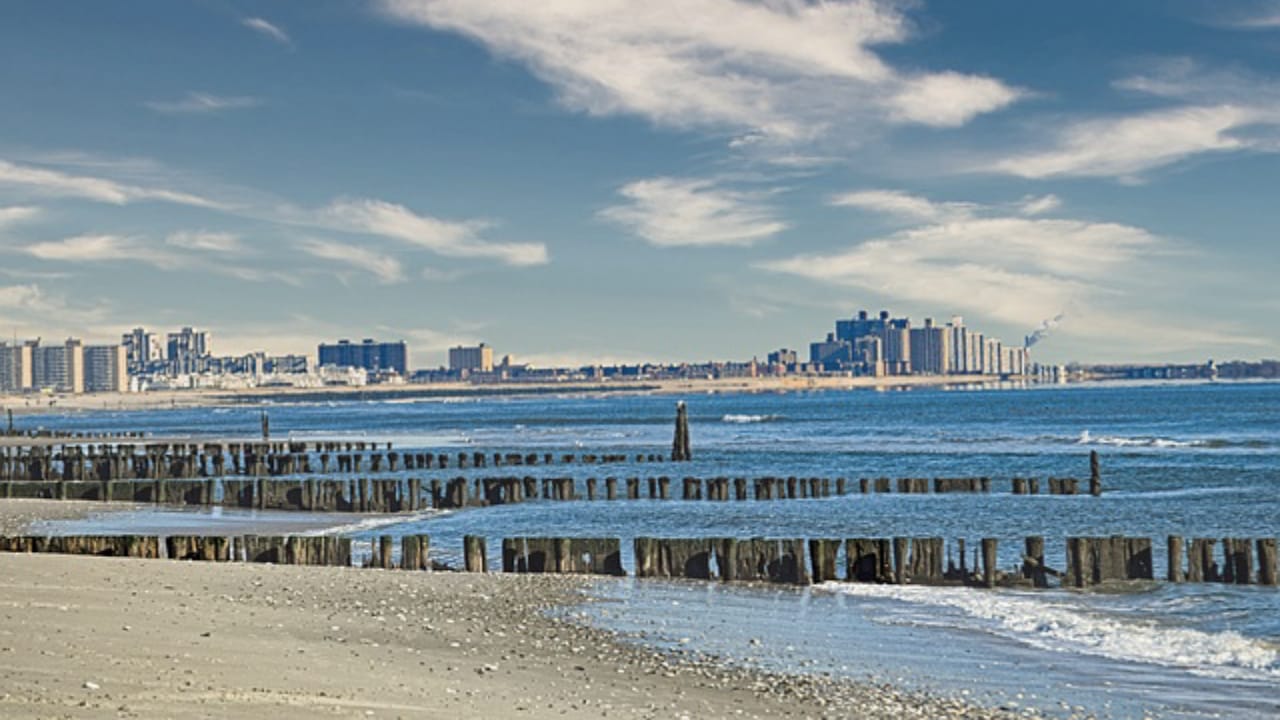
When most people picture New York City, they imagine skyscrapers, yellow cabs, and crowded subway platforms not six miles of golden sand, rolling Atlantic surf, and a laid-back beach town vibe. Yet just an hour from Manhattan, Rockaway Beach delivers exactly that. A Rockaway Beach tour is one of the most rewarding day trips (or weekend escapes) you can take in the five boroughs, blending surf culture, diverse food scenes, historic boardwalks, and genuine community charm that feels worlds away from the concrete jungle.
Whether you’re a New Yorker who’s never made the trip out to Queens’ peninsula, a visitor looking for something beyond the typical tourist checklist, or a surfer chasing the only legal surf break in New York City, this guide will walk you through everything you need to know to plan the perfect Rockaway Beach tour from how to get there to where to eat, when to visit, and what makes this stretch of coastline so special.
Where Is Rockaway Beach, and Why Should You Visit?
Rockaway Beach sits on the Rockaway Peninsula in the New York City borough of Queens, stretching along the Atlantic Ocean between Jamaica Bay and the open sea. It’s technically part of Gateway National Recreation Area, which means the beach itself is federally protected parkland, while the surrounding neighborhoods Rockaway Park, Belle Harbor, Neponsit, Arverne, and Far Rockaway each have their own distinct personality.
What makes a Rockaway Beach tour worth the trip isn’t just the sand. It’s the mix of:
- Miles of public beach with lifeguard-staffed sections all summer
- The only legal surf spots within New York City limits
- A revitalized boardwalk lined with food vendors, bars, and art installations
- A tight-knit, artsy community that rebuilt after Hurricane Sandy and hasn’t looked back
- Easy access from Manhattan and Brooklyn by subway, ferry, or car
Unlike the beaches of the Hamptons or the Jersey Shore, you don’t need a car or a hefty budget to enjoy Rockaway. You just need a MetroCard, a beach towel, and a free afternoon.
Getting to Rockaway Beach
One of the biggest draws of a Rockaway Beach tour is accessibility. There are three main ways to get there, each with its own charm.
By Subway
The most budget-friendly option is the A train, which runs directly to the Rockaways. Depending on which part of the peninsula you’re headed to, you’ll want to get off at Beach 90th Street, Beach 98th Street, Beach 105th Street, or Beach 116th Street.
The ride from Manhattan takes roughly 60–75 minutes depending on your starting point, and in summer months the MTA often runs a seasonal shuttle service to make the connection even smoother. It’s not the fastest trip in the city, but it’s part of the ritual watching the skyline give way to marshland and finally the ocean as the train crosses the Jamaica Bay trestle is a New York moment in itself.
By Ferry
For a more scenic (and slightly pricier) route, the NYC Ferry Rockaway route runs seasonally from Wall Street/Pier 11 and other Manhattan and Brooklyn stops directly to Rockaway. The ride takes about an hour and offers unbeatable views of the Statue of Liberty, the Verrazzano-Narrows Bridge, and the harbor.
Many locals consider this the best way to start a Rockaway Beach tour, since the journey itself becomes part of the experience, complete with an onboard bar on some routes.
By Car
Driving gives you more flexibility, especially if you want to hop between neighborhoods or bring beach gear. The drive from Manhattan typically takes 45 minutes to an hour depending on traffic, mostly via the Belt Parkway. Just be aware that street parking near the beach fills up fast on summer weekends, so arriving early is key.
A Brief History of Rockaway Beach
Understanding a bit of Rockaway’s history adds real depth to any visit. The peninsula has been a beach destination since the 19th century, when wealthy New Yorkers built grand hotels and bathing pavilions along the shore. By the early 20th century, Rockaway had become known as New York’s Playground, with amusement parks, dance halls, and a bustling boardwalk that rivaled Coney Island.
The mid-20th century brought urban renewal projects and a decline in the area’s fortunes, and by the late 1900s much of Rockaway had been overlooked by the rest of the city. That began to change in the 2000s as surfers discovered the waves, artists and young families moved in, and the neighborhood slowly began to revitalize.
Then came Hurricane Sandy in 2012, which devastated the peninsula, destroying the boardwalk and flooding entire neighborhoods. The rebuilding effort that followed transformed Rockaway once again — a new, more resilient boardwalk was constructed, small businesses reopened with renewed energy, and the community’s identity as a scrappy, creative beach town solidified. Today’s Rockaway Beach tour is, in many ways, a tour of a comeback story.
Exploring the Beaches
Rockaway Beach isn’t one uniform stretch of sand it’s divided into numbered sections (marked by Beach street numbers) that each have their own character. Here’s a breakdown to help you plan your Rockaway Beach tour.
Beach 90th to Beach 91st Street (Arverne/Edgemere Area)
This stretch tends to be quieter and more residential, popular with locals who want a peaceful beach day away from the crowds. It’s a good spot if you’re looking for space to relax without the boardwalk bustle.
Beach 96th to Beach 98th Street (Playland Motel Area)
This section has become a hub for the newer wave of Rockaway culture, anchored by the Playland Motel and Rockaway Beach Bakery. Expect a younger, hipper crowd, good coffee, and easy access to some of the best food vendors on the peninsula.
Beach 106th to Beach 116th Street (Rockaway Beach Surf Club Area)
This is arguably the most popular stretch for a first-time Rockaway Beach tour. It’s home to some of the most popular boardwalk concessions, a lively bar and restaurant scene, and consistent crowds throughout the summer. If you want the full boardwalk experience food, drinks, live music, and people-watching this is where to post up.
Beach 90th Street Surf Break (Designated Surf Zone)
New York City designates specific beaches for surfing, and Beach 90th Street is one of the most popular legal surf zones in Rockaway. If you’re planning to surf, this is essential information, since surfing outside designated zones is prohibited and enforced by lifeguards.
Jacob Riis Park
Technically just west of the main Rockaway strip, Jacob Riis Park deserves a mention in any thorough Rockaway Beach tour. This historic Art Deco beach park, also part of Gateway National Recreation Area, has a beautifully restored bathhouse, a bay side area popular with families, and a more old-school beach-town feel. It’s slightly less crowded than the main Rockaway strip and worth the extra stop if you have a full day to explore.
Far Rockaway and Beach 9th to Beach 32nd Street
At the eastern end of the peninsula, Far Rockaway offers a very different vibe from the boardwalk hub further west. This stretch is quieter, more residential, and popular with families from the surrounding neighborhoods. There are fewer food vendors here, so it’s worth packing a cooler if you plan to spend the day, but the trade-off is a calmer, less touristy beach experience with plenty of room to spread out even on a busy Saturday.
Getting Around Once You’re There
A Rockaway Beach tour often means covering more ground than a single stop. Fortunately, the peninsula is fairly easy to navigate on foot or by bike once you’ve arrived.
Biking is one of the best ways to experience Rockaway, since the boardwalk includes a dedicated bike lane running for miles along the shore. Several shops near the main beach sections rent bikes and beach cruisers by the hour or the day, making it simple to hop between Beach 90th Street and Jacob Riis Park without needing a car.
Walking the boardwalk is manageable for shorter stretches, but keep in mind that the peninsula runs long — walking from one end to the other can take well over an hour. Most visitors pick a home base for the day and explore nearby sections on foot, saving the bike or the Q22 bus for longer trips between neighborhoods.
The Q22 bus runs along the peninsula and connects the subway stations to areas slightly set back from the boardwalk, which is useful if you’re staying overnight or visiting friends who live further from the beach itself.
Surfing in Rockaway
Rockaway Beach holds a unique distinction: it’s home to the only legal surfing beaches within New York City. This has made it a genuine surf destination, drawing everyone from beginners taking their first lesson to seasoned surfers who’ve been riding these waves for decades.
If surfing is on your Rockaway Beach tour itinerary, here’s what you should know:
- Designated surf beaches are marked and monitored by lifeguards during the summer season; check current NYC Parks signage, since zones can shift slightly year to year.
- Board rentals and lessons are available from local surf shops in the Beach 87th to Beach 92nd Street area, many of which cater specifically to beginners.
- Wetsuits are recommended outside of peak summer months, since the Atlantic water temperature can stay cool well into June.
- Fall and early spring often bring the best swells, though summer remains the most popular (and crowded) time to paddle out.
Even if you don’t plan to surf yourself, watching the surfers from the boardwalk is a quintessential part of the Rockaway experience there’s something deeply calming about the rhythm of the waves and the silhouettes gliding across them at sunrise.
The Rockaway Boardwalk
No Rockaway Beach tour is complete without spending serious time on the boardwalk. Rebuilt after Hurricane Sandy, the current boardwalk stretches for miles and has become the social heart of the peninsula, especially in the Beach 96th to Beach 116th Street corridor.
Where to Eat
Rockaway’s food scene has grown into one of its biggest draws. Expect a mix of classic boardwalk fare and more elevated, chef-driven concessions:
- Tacos and Mexican street food from beloved local vendors, often considered some of the best casual eats in the city
- Wood-fired pizza served up at boardwalk stands with lines out the door on weekends
- Fresh seafood shacks offering lobster rolls, fish tacos, and fried clams
- Local coffee and bakeries, with several spots known for their pastries and iced coffee — perfect for an early start before the crowds arrive
- Ice cream and frozen treats for cooling off between beach sessions
Where to Drink
Several boardwalk bars have become neighborhood institutions, offering frozen drinks, beer, and often live DJ sets on weekend afternoons. The energy here leans more beach party than “quiet cocktail lounge,” so if you’re looking for a lively, social atmosphere, the boardwalk bars deliver.
Art and Community Installations
Keep an eye out for public art along the boardwalk and surrounding streets murals, sculptures, and community-driven projects that reflect Rockaway’s resilient, artistic spirit. Several local organizations have worked to bring public art installations to the area since the Sandy rebuild, turning the walk itself into an open-air gallery.
A Note on Prices and Crowds
Boardwalk food prices tend to run a bit higher than what you’d pay inland, which is fairly standard for beachfront concessions anywhere. Weekday visits typically mean shorter lines and a more relaxed pace at the most popular stands, while weekend afternoons in July and August can bring long waits at the best-known taco stands and pizza counters. If you’re set on trying a specific vendor, arriving before noon is generally your best bet.
Where to Stay
While most visitors treat Rockaway as a day trip, staying overnight lets you catch both a sunrise surf session and a boardwalk sunset without rushing back to catch the last train. Options on the peninsula itself are limited compared to Manhattan or even Coney Island, but a handful of guesthouses, boutique motels, and vacation rentals have popped up in recent years, particularly around the Beach 96th to Beach 116th Street corridor. Booking ahead is essential in summer, since rooms are limited and demand is high on weekends.
If you’d rather stay in a more traditional hotel, nearby neighborhoods in Queens and Brooklyn offer easy access back to the peninsula via the A train, letting you split your trip between a beach day in Rockaway and more typical city sightseeing the rest of your stay.
Other Things to Do on a Rockaway Beach Tour
While the beach and boardwalk are the main event, a well-rounded Rockaway Beach tour should include a few other stops.
Fort Tilden
Just west of Jacob Riis Park, Fort Tilden is a former military installation turned nature preserve, with abandoned bunkers, quiet trails, and a wilder, less-crowded beach. It’s a favorite among locals looking to escape the crowds and explore a bit of off-the-beaten-path history.
Jamaica Bay Wildlife Refuge
On the bay side of the peninsula, Jamaica Bay Wildlife Refuge offers a completely different experience from the ocean beaches marshland trails, birdwatching (it’s a major stop on the Atlantic Flyway migration route), and a peaceful contrast to the boardwalk’s energy. If you’re interested in nature and wildlife, this is a worthwhile half-day add-on to your itinerary.
Rockaway Beach Farmers Market
Seasonal farmers markets pop up in the area during the warmer months, offering local produce, baked goods, and handmade crafts a nice way to support the local community while picking up snacks for the beach.
Skate Parks and Recreational Spaces
Several skate parks and recreational areas are scattered throughout Rockaway Park and Arverne, reflecting the area’s youthful, active culture. Even if you’re not skating yourself, they’re fun to walk past and soak in the local scene.
Best Time of Year for a Rockaway Beach Tour
Timing matters when planning your visit. Here’s a season-by-season breakdown:
Summer (June–August) is peak season. Lifeguards are on duty, the boardwalk vendors are in full swing, and the beaches are lively — sometimes crowded, especially on weekends. If you want the classic Rockaway experience with all amenities open, this is the time to go, but arrive early to snag a good spot and avoid the biggest crowds.
Early Fall (September–October) offers a sweet spot for many locals. The water is still warm from summer, crowds thin out significantly, and surf conditions are often excellent. Many boardwalk vendors stay open through early fall, making this an underrated time for a quieter Rockaway Beach tour.
Spring (April–May) brings cooler temperatures but fewer crowds and a peaceful, renewing energy as the neighborhood wakes up from winter. It’s a great time for a walk on the boardwalk or a visit to Fort Tilden or Jamaica Bay without the summer bustle.
Winter (November–March) is the off-season, with most food vendors closed and lifeguards absent. However, a winter walk along the boardwalk, especially after a snowfall, has its own stark beauty, and dedicated surfers still brave the cold water in full wetsuits.
Practical Tips for Your Rockaway Beach Tour
To make the most of your visit, keep these tips in mind:
- Bring cash. While many vendors now accept cards, some smaller stands are cash-only, and ATMs can be scarce right on the beach.
- Check the tide and surf schedule. Conditions can change quickly, and knowing the tide times helps you plan beach time versus boardwalk time.
- Wear reef-safe sunscreen. The sun reflects strongly off the water and sand, and reapplication is essential for a full day out.
- Pack light but smart. A beach chair, umbrella, cooler, and plenty of water go a long way, especially since shaded areas are limited.
- Respect the lifeguard flags and swim zones. Rip currents can be strong, and lifeguards actively enforce swim boundaries and surf zones for safety.
- Arrive early on summer weekends. Both the subway and the beach itself get significantly busier by midday, especially in July and August.
- Bring a padlock or leave valuables at home. Public lockers aren’t widely available, so plan accordingly if you’re bringing anything you can’t get wet or sandy.
Sample One-Day Rockaway Beach Tour Itinerary
If you only have one day, here’s a simple plan to hit the highlights:
- Morning: Take the A train or ferry out early, grab coffee and a pastry near Beach 96th Street, and settle in on the beach before it gets crowded.
- Midday: Watch the surfers at Beach 90th Street, or rent a board and try it yourself if you’re up for it.
- Lunch: Head to the boardwalk for tacos, pizza, or a lobster roll from one of the local food stands.
- Afternoon: Walk or bike toward Jacob Riis Park or Fort Tilden for a change of scenery and a quieter stretch of shoreline.
- Evening: Return to the main boardwalk strip for a drink, catch the sunset over the bay side, and grab a final bite before heading back into the city.
Rockaway Beach with Kids and Families
Rockaway can be a wonderful family destination, though a little planning goes a long way. Jacob Riis Park and the calmer stretches near Far Rockaway tend to work best for families with young children, thanks to gentler crowds and easier access to restrooms and shade. The main boardwalk sections near Beach 96th to Beach 116th Street are lively and fun for older kids and teenagers, especially with the variety of food options, but can feel overwhelming for toddlers during peak summer weekends.
A few family-specific tips:
- Bring a beach umbrella or tent, since natural shade is limited along most of the shoreline.
- Pack extra water and snacks, particularly if you’re heading to the quieter Far Rockaway or Fort Tilden areas where vendors are sparse.
- Plan bathroom breaks around boardwalk facilities, which are concentrated near the more developed sections of the beach.
- Consider a weekday visit if your schedule allows, since Rockaway’s weekday crowds are noticeably lighter than weekend ones, even in the height of summer.
Best Spots for Photos Along the Boardwalk
If you’re hoping to capture some memorable shots during your Rockaway Beach tour, a few spots consistently stand out. The Beach 90th Street surf break offers great silhouettes at sunrise as surfers paddle out against the early light.
The Art Deco architecture at Jacob Riis Park’s bathhouse makes for a striking backdrop, especially in the soft light of late afternoon. And the boardwalk murals scattered throughout the Beach 96th to Beach 116th Street stretch offer colorful, ever-changing scenery that reflects the neighborhood’s creative spirit. Sunset shots looking back toward the bay side of the peninsula are also a local favorite, especially from the quieter dune areas near Fort Tilden.
Respecting the Local Environment
As a coastal community still recovering and adapting after Hurricane Sandy, Rockaway takes environmental stewardship seriously, and visitors play a role in that too. Sticking to marked paths through the dunes helps protect the fragile beach grass that stabilizes the shoreline, while packing out trash including cigarette butts and food wrappers keeps the beach clean for wildlife and future visitors alike.
Jamaica Bay Wildlife Refuge, in particular, asks visitors to stay on designated trails to avoid disturbing nesting birds during migration season. Small habits like these help ensure that Rockaway Beach remains a healthy, welcoming destination for years to come.
FAQs
Is Rockaway Beach free to visit?
Yes. As part of Gateway National Recreation Area and New York City’s public beach system, admission to the beach itself is free. You’ll only spend money on food, drinks, transportation, and any rentals like bikes or surfboards.
Is Rockaway Beach safe for swimming?
Lifeguards staff designated swimming areas throughout the summer season, and it’s important to swim only within the flagged zones. Rip currents can occur, so always follow posted signage and lifeguard instructions.
Can you surf at Rockaway Beach year-round?
Surfing happens throughout the year, though a wetsuit is necessary outside of the warmer summer months. Fall often brings some of the best swell conditions of the year.
What’s the best month to visit Rockaway Beach?
Late June through early September offers the fullest experience with all vendors and lifeguards active, while September offers a quieter alternative with still-warm water and thinner crowds.