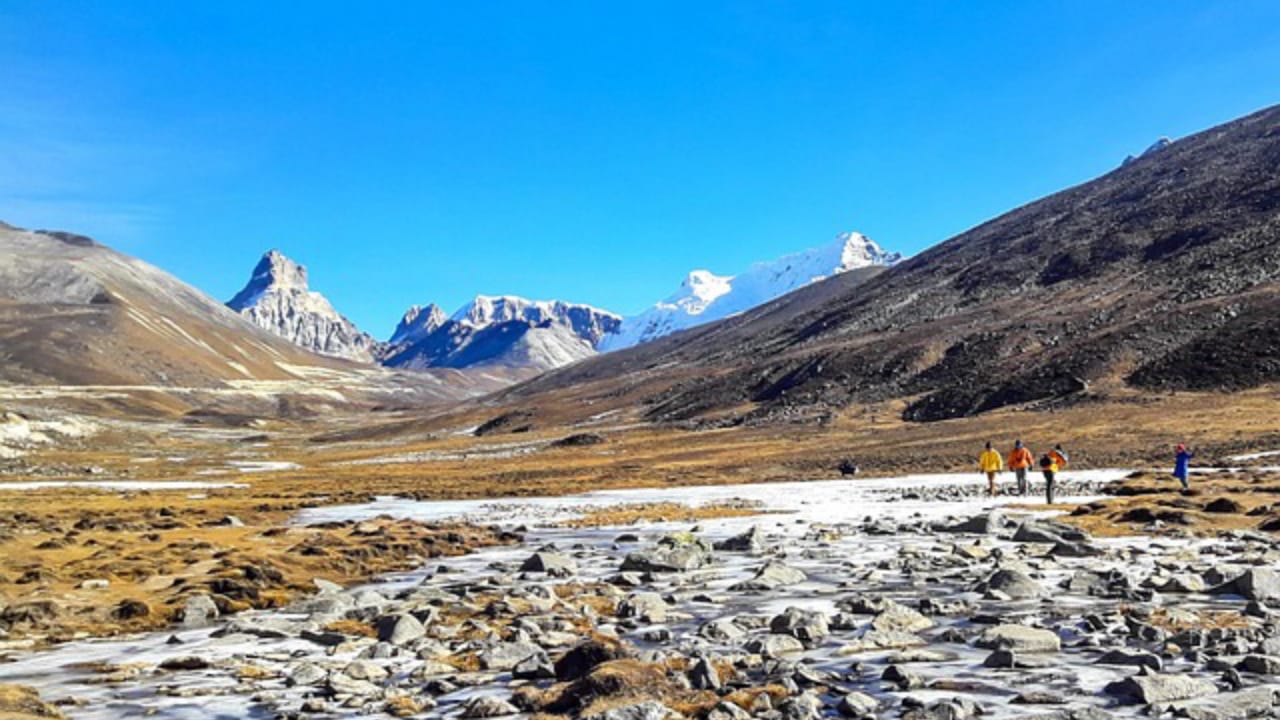
Tucked between the snow-capped shoulders of Kanchenjunga and the emerald folds of the eastern Himalayas, Sikkim is one of those rare Indian destinations that looks even better in person than it does in photographs. It’s small enough to cover in a week, clean enough to feel like a different country, and varied enough that a single trip can take you from a buzzing hill-town market to a glacial lake sitting at 17,000 feet. It’s no surprise that Sikkim has quietly become one of the most searched-for hill destinations in India, and along with that search comes the inevitable question: how much does a Sikkim tour package actually cost?
This guide breaks that down in detail real price ranges, what affects them, which itinerary suits which kind of traveler, and how to avoid the common mistakes that make people overpay or, worse, miss out on the best parts of the state. Whether you’re a solo backpacker eyeing a five-day loop or a family planning a ten-day circuit through North and West Sikkim, you’ll find a workable budget and itinerary framework here.
Why Sikkim Deserves a Spot on Your Travel List
Before getting into numbers, it helps to understand what you’re actually paying for. Sikkim isn’t just “another hill station.” It’s India’s first fully organic state, one of the cleanest states in the country, and home to Kanchenjunga, the third-highest mountain on Earth. The state blends Buddhist monastery culture, Lepcha and Bhutia traditions, alpine meadows, high-altitude lakes, and dramatic mountain passes into a surprisingly compact geography.
Unlike many other Himalayan destinations, Sikkim is also relatively easy to navigate for first-time travelers. Roads are (mostly) well maintained, tour operators are experienced with permit paperwork, and the state has invested heavily in tourism infrastructure. This means even a modest budget package tends to deliver a comfortable, well-organized experience rather than a rough, ad-hoc one.
Sikkim Tour Best Time
Timing affects both your experience and your price, so it’s worth addressing early.
- March to May (Spring): Rhododendrons bloom across the hills, skies are relatively clear, and temperatures are pleasant. This is peak season, so prices run higher and advance booking is essential.
- June to September (Monsoon): Landslides and road closures are common, especially in North Sikkim. Prices drop, but the trade-off is unpredictable travel and misty viewpoints. Not ideal if mountain views are your priority.
- October to mid-December (Autumn): Widely considered the best window — crisp air, the clearest mountain views of the year, and comfortable daytime temperatures. This is also peak season pricing.
- Late December to February (Winter): Snowfall in Gangtok, Lachen, and Lachung draws a different crowd. Roads to high-altitude points can close temporarily, but a well-timed winter trip offers snow experiences that spring and autumn simply can’t.
If budget is your primary concern, the monsoon shoulder months (late June and September) offer the best discounts, provided you’re flexible about itinerary changes.
Sikkim Tour Package 2026
One reason people get confused comparing prices is that packages advertised at wildly different rates often include different things. Before comparing two quotes, always check what’s bundled in:
- Accommodation – category (budget/standard/deluxe/luxury), and whether it’s in the main town or on the outskirts.
- Meals – usually breakfast and dinner (MAP plan); some budget packages include only breakfast.
- Transport – vehicle type (Sumo/Xylo for groups, sedans for couples), fuel, driver charges, and whether transfers from Bagdogra Airport or New Jalpaiguri (NJP) Railway Station are included.
- Permits – Inner Line Permits (ILP) for Sikkim generally and Protected Area Permits (PAP) for restricted zones like North Sikkim, Nathula, and Gurudongmar Lake.
- Sightseeing – entry fees, guide charges, and which specific viewpoints are covered.
- Taxes – GST and any local municipal charges.
A package quoted at ₹9,000 that excludes permits, meals, and airport transfers is not necessarily cheaper than one quoted at ₹14,000 that includes everything. Always ask for an itemized breakdown.
Sikkim Tour Package Price: Realistic 2026 Ranges
Based on current market rates from established Sikkim-based and pan-India tour operators, here’s what you can expect to pay per person (on twin-sharing basis) across different trip lengths and comfort levels.
Budget Packages (Standard Hotels, Group Transport)
- 3 Nights / 4 Days (Gangtok + Tsomgo Lake): ₹9,000 – ₹15,000 per person
- 5 Nights / 6 Days (Gangtok + North Sikkim): ₹18,000 – ₹28,000 per person
- 7 Nights / 8 Days (Gangtok + North Sikkim + Pelling/Darjeeling): ₹22,000 – ₹35,000 per person
Mid-Range Packages (3-Star/Boutique Hotels, Private Vehicle)
- 4 Days: ₹15,000 – ₹25,000 per person
- 6 Days: ₹28,000 – ₹40,000 per person
- 8 Days: ₹35,000 – ₹50,000 per person
Premium/Luxury Packages (4-5 Star Hotels, Private Vehicle, Curated Experiences)
- 4-5 Days: ₹25,000 – ₹65,000 per person
- 8-10 Days: ₹60,000 – ₹1,20,000+ per person, with five-star resort stays pushing costs well beyond ₹1,50,000 per person for extended, highly customized itineraries
For international travelers converting from USD, budget trips of 4-5 days typically run $300 to $450, while premium 8-10 day circuits with better hotels land in the $900 to $1,200 range, and true luxury tours with five-star properties can exceed $1,500 per person.
These numbers assume twin-sharing occupancy; solo travelers should expect a single-occupancy surcharge of roughly 40-60% over the per-person twin-sharing rate, since vehicle and often room costs don’t scale down proportionally for one person.
What Drives Sikkim tour the Price Up or Down
If you’re trying to understand why one quote is double another, it usually comes down to a handful of variables.
1. Season
Peak season (April-May and October-November) sees hotel rates jump 30-50% compared to shoulder months. Vehicles also become harder to book, which pushes transport costs up.
2. Hotel Category
This is the single biggest swing factor. A standard hotel room in Gangtok might cost ₹2,000-3,000 per night, while a Kanchenjunga-view deluxe room at a well-known property can run ₹6,000-10,000+, and five-star resorts go considerably higher.
3. North Sikkim Inclusion
Adding Lachen, Lachung, Yumthang Valley, and Gurudongmar Lake to your itinerary meaningfully increases cost because these areas require Protected Area Permits, specialized vehicles (often shared Innovas/Boleros arranged through local syndicates), and overnight stays in remote guesthouses that charge a premium simply due to logistics of supplying the region.
4. Vehicle Type and Exclusivity
Group tours that pool multiple travelers into one vehicle are cheaper per head. A fully private vehicle for just your family or group costs more but offers flexibility in timing and stops.
5. Group Size
Larger groups reduce per-person transport costs significantly, since a single vehicle (say, a Toyota Innova seating 6-7) splits its cost across more people.
6. Add-ons
River rafting on the Teesta, paragliding near Gangtok, yak rides at Tsomgo Lake, monastery visits with private guides, and festival experiences (like Losar or Saga Dawa related programs) all add incremental cost but can meaningfully enrich the trip.
7. Booking Lead Time
Last-minute bookings during peak season often carry a premium because hotels and vehicles are scarce. Booking 2-3 months in advance for peak travel dates typically secures better rates.
Popular Sikkim Itineraries and What They Price
1. The Quick Gangtok Getaway (3N/4D)
Best for travelers short on time who mainly want to experience Gangtok, MG Marg, and the high-altitude Tsomgo Lake and Baba Mandir circuit.
Typical route:
- Day 1: Arrive at Bagdogra/NJP, drive to Gangtok (~120 km, scenic route along the Teesta River), evening at MG Marg
- Day 2: Local Gangtok sightseeing — Rumtek Monastery, Ganesh Tok, Hanuman Tok, Banjhakri Falls
- Day 3: Tsomgo (Changu) Lake and Baba Mandir excursion (permit required)
- Day 4: Departure
Price range: ₹9,000 – ₹15,000 per person (budget); up to ₹25,000 for mid-range hotels
This is the most economical way to experience Sikkim and works well for a long weekend trip, though it skips North Sikkim entirely.
2. The Classic Circuit (5N/6D or 6N/7D)
This is the most commonly booked itinerary because it balances North Sikkim’s dramatic landscapes with Gangtok’s comfort and convenience.
Typical route:
- Day 1: Arrival, transfer to Gangtok
- Day 2: Gangtok local sightseeing
- Day 3: Drive to Lachung via Chungthang (North Sikkim permit zone)
- Day 4: Yumthang Valley (“Valley of Flowers”) and Zero Point, return towards Gangtok
- Day 5: Optional Tsomgo Lake/Baba Mandir, or Namchi/Pelling day trip
- Day 6: Departure
Price range: ₹18,000 – ₹40,000 per person depending on hotel category
3. The Extended Himalayan Circuit (7N/8D to 10N/11D)
Ideal for travelers who want to cover North Sikkim, Gangtok, and West Sikkim (Pelling, Namchi, Ravangla), sometimes extending into Darjeeling.
Typical route:
- Days 1-2: Gangtok arrival and local sightseeing
- Days 3-4: North Sikkim (Lachen, Gurudongmar Lake, Lachung, Yumthang Valley)
- Days 5-6: Pelling — Pemayangtse Monastery, Khecheopalri Lake, Rabdentse Ruins, Kanchenjunga sunrise viewpoints
- Day 7: Ravangla or Namchi — Buddha Park, Char Dham
- Day 8: Departure, or extend into Darjeeling
Price range: ₹35,000 – ₹65,000+ per person for standard-to-mid-range hotels; premium versions with luxury resorts can exceed ₹1,00,000 per person
Note: as of 2026, the Lachen-Gurudongmar Lake route has reopened to tourists after the disruption following the 2023 glacial lake outburst flood (GLOF), though road conditions in this stretch remain sensitive to rain and snowfall, so build a buffer day into your itinerary if this leg is important to you.
Top Places Covered in Sikkim Tour Package
Understanding what each destination actually offers helps you decide which itinerary is worth the extra cost.
Gangtok
The capital and the anchor of almost every Sikkim package. MG Marg, the pedestrian-only main street, is where evenings come alive with cafes, local handicraft stores, and street food stalls.
Just outside town, Rumtek Monastery one of the most significant Kagyu Buddhist monasteries outside Tibet is a near-mandatory stop. Other common inclusions are the Himalayan Zoological Park, Ganesh Tok and Hanuman Tok viewpoints, and the Ropeway offering aerial views over the city.
Tsomgo (Changu) Lake and Baba Mandir
A glacial lake sitting at roughly 12,400 feet, about 40 km from Gangtok. It’s one of the most-booked day excursions precisely because it’s accessible without an extended North Sikkim trip, though it still requires a permit. Baba Mandir, dedicated to a revered Indian Army soldier, sits a little further along the same route.
North Sikkim: Lachen, Lachung, Yumthang Valley, and Gurudongmar Lake
This is the region that separates a “basic” Sikkim trip from a complete one. Lachung is the base for visiting Yumthang Valley, often called the “Valley of Flowers” for its rhododendron blooms in spring, and Zero Point, where the road ends amid snow-covered peaks.
Lachen is the gateway to Gurudongmar Lake, one of the highest lakes in the world at over 17,000 feet, revered by both Buddhists and Sikhs. This leg typically adds 2-3 days and a meaningful chunk of cost to any itinerary, but it’s consistently rated the most memorable part of a Sikkim trip by returning travelers.
Pelling and West Sikkim
Famous for sunrise views of Kanchenjunga, Pelling is quieter and less commercial than Gangtok. Key stops include Pemayangtse Monastery, the Rabdentse Ruins (once the second capital of the Sikkim kingdom), Khecheopalri Lake considered a wish-fulfilling lake by locals and the Skywalk glass bridge near Sanga Choeling Monastery.
Ravangla and Namchi
Home to the towering Buddha Park (Tathagata Tsal) in Ravangla and the Char Dham complex in Namchi, which recreates India’s four major pilgrimage sites in miniature alongside a 108-foot statue of Lord Shiva. Both towns are frequently added as a stopover between North Sikkim and Pelling, or on the return leg toward Darjeeling.
Nathula Pass
Sitting on the Indo-China border at over 14,000 feet, Nathula was once part of the ancient Silk Route. It’s open to Indian nationals only (not foreign tourists) on specific days of the week, weather and diplomatic conditions permitting, and requires its own permit separate from the Tsomgo Lake permit, even though both are often combined into a single day trip.
Food, Connectivity, and Practical Travel Tips
Food: Sikkimese cuisine leans heavily on momos, thukpa (noodle soup), gundruk (fermented leafy greens), and sha phaley (Tibetan-style stuffed bread), alongside standard Indian and Chinese options available in most tourist-frequented towns. Most mid-range and budget packages include breakfast and dinner at the hotel, leaving lunch often at a roadside eatery or dhaba during sightseeing as an out-of-pocket expense, typically ₹200-400 per person.
Mobile connectivity: Only Indian postpaid connections from BSNL, Airtel, and Jio tend to work reliably throughout Sikkim, including North Sikkim; prepaid SIMs from outside the state frequently lose signal once you’re past Gangtok. If you’re traveling from another part of India, it’s worth informing your network provider or carrying a postpaid backup.
Altitude considerations: Gurudongmar Lake and Nathula Pass both sit above 14,000 feet, where altitude sickness is a real possibility even for otherwise healthy travelers. Staying hydrated, avoiding alcohol the night before high-altitude excursions, and informing your driver or guide immediately if you feel unwell are standard precautions most operators will brief you on.
What to pack: Layered clothing is essential regardless of season, since temperatures swing significantly between Gangtok (mild) and North Sikkim’s high-altitude points (near-freezing even in summer). A good windproof jacket, comfortable walking shoes, sunglasses (snow glare is real at Yumthang and Gurudongmar), and a basic first-aid kit with altitude-sickness medication (consult your doctor beforehand) are worth including no matter which package you book.
Permits The One Cost People Often Forget
Sikkim requires an Inner Line Permit (ILP) for all non-Sikkimese Indian citizens and a similar permit process for foreign nationals, simply to enter the state. This is usually arranged free or at nominal cost by your tour operator using copies of your ID and photographs, and it’s typically bundled into package pricing.
However, Protected Area Permits (PAP) are required separately for restricted high-altitude zones: North Sikkim (Lachen, Lachung, Gurudongmar Lake, Yumthang, Zero Point) and Nathula Pass near the Indo-China border. These permits:
- Must be arranged by a registered local tour operator (foreign tourists in particular cannot self-arrange these)
- Often require minimum group sizes (typically two or more travelers)
- Can be affected by weather, road conditions, or diplomatic/security considerations near the border, occasionally leading to last-minute itinerary changes
Because of this, always confirm with your operator whether permit costs and processing are included in your package price, or charged separately. A reputable operator will handle this seamlessly, but it’s a detail worth double-checking before you pay.
Budget vs. Mid-Range vs. Luxury Which Should You Choose?
Choose Budget If:
You’re a backpacker, student, or simply prioritize seeing as much of Sikkim as possible without spending heavily on accommodation. Budget hotels in Sikkim are generally clean and safe, if basic this isn’t a destination where “budget” means unsafe, unlike some other parts of the world. The trade-off is smaller rooms, shared or group vehicles, and simpler meal options.
Choose Mid-Range If:
You want a comfortable trip with good views, reliable hot water, and slightly more room to customize your itinerary (private vehicle, flexible timing) without paying luxury prices. This is the sweet spot for most families and couples, and it’s where the majority of well-reviewed packages sit.
Choose Luxury If:
You want five-star resort stays with Kanchenjunga views from your room, curated dining, spa access, and a fully private, driver-and-guide experience throughout. This tier makes the most sense for honeymooners, anniversary trips, or travelers who simply want a stress-free, high-comfort Himalayan escape and don’t mind paying for it.
How to Get the Best Value on a Sikkim Tour Package
- Book 2-3 months ahead for peak season: Prices rise and availability shrinks fast for April-May and October-November travel dates.
- Travel in a group of 4-6: This is the sweet spot for splitting vehicle costs efficiently without needing two cars.
- Consider shoulder-season travel: Late March, early June, and late September often offer a good balance of decent weather and lower prices.
- Get an itemized quote, not a lump sum: Ask specifically what’s included permits, meals, entry fees, and airport transfers before comparing two operators’ prices.
- Check operator registration: Sikkim tourism requires operators handling Protected Area Permits to be officially registered; working with an established, registered operator avoids last-minute permit issues.
- Avoid over-packing your itinerary: Adding too many destinations for too short a trip increases transport costs and reduces enjoyment Sikkim’s mountain roads mean travel times are longer than map distances suggest.
- Ask about cancellation and rescheduling policies: Given how weather-dependent North Sikkim travel can be, flexible rebooking terms are worth more than a marginally cheaper price.
- Bundle flights and hotels through comparison platforms if self-planning: or negotiate directly with a Sikkim-based operator for fully customized circuits both routes can work depending on how hands-on you want to be with planning.
Getting to Sikkim
Most Sikkim tours begin and end at one of two gateway points:
- Bagdogra Airport (IXB): The nearest airport, connected to major Indian cities including Delhi, Mumbai, Kolkata, Bangalore, and Chennai. From here, it’s roughly a 4-5 hour scenic drive to Gangtok.
- New Jalpaiguri (NJP) Railway Station: The nearest major rail hub, well-connected across India, with a similar drive time to Gangtok.
A helicopter service between Bagdogra and Gangtok also operates seasonally for travelers wanting to skip the road journey, though this adds a separate cost on top of the package price.
Most packages include pickup and drop-off from either Bagdogra or NJP as part of the itinerary, so factor your starting city’s flight or train cost into your overall trip budget separately from the land package price quoted by tour operators.
Sample Cost Breakdown
To make the numbers concrete, here’s a rough breakdown for a 5N/6D mid-range Gangtok + North Sikkim trip for two people traveling together:
| Component | Approximate Cost (for 2 people) |
|---|---|
| Accommodation (5 nights, 3-star/boutique) | ₹18,000 – ₹25,000 |
| Private vehicle + driver (6 days) | ₹15,000 – ₹20,000 |
| Meals (breakfast + dinner, MAP) | ₹6,000 – ₹8,000 |
| Permits (ILP + PAP for North Sikkim) | ₹1,500 – ₹2,500 |
| Sightseeing entry fees & local guide | ₹2,000 – ₹3,000 |
| Total (for 2 people) | ₹42,500 – ₹58,500 |
| Per person | ₹21,250 – ₹29,250 |
This excludes flights/train tickets to Bagdogra or NJP and any optional add-ons like rafting or paragliding. It’s a useful baseline for sanity-checking any quote you receive.
FAQs
Is Sikkim expensive to visit compared to other Himalayan destinations?
Not particularly. It’s comparable to, or slightly cheaper than, destinations like Ladakh or Himachal’s higher-altitude circuits, largely because Sikkim’s compact geography keeps travel distances and times shorter.
How many days are ideal for a first Sikkim trip?
Four to five days lets you comfortably cover Gangtok and Tsomgo Lake. If you want to include North Sikkim’s Lachen, Lachung, and Yumthang Valley, six to seven days is the realistic minimum, since travel days to and from these remote areas eat into your itinerary.
Do foreign nationals need special permits?
Yes. Foreign tourists need both an Inner Line Permit for Sikkim generally and additional Protected Area Permits for North Sikkim and Nathula. These must be arranged through a registered tour operator and cannot typically be self-processed on arrival.
What’s the biggest hidden cost people overlook?
Flights or train tickets to Bagdogra/NJP are almost always quoted separately from the “land package” price advertised by operators don’t mistake the package price for your total trip cost.
Is travel insurance worth it for a Sikkim trip?
Given the altitude-related risks at Gurudongmar Lake and Nathula, and the possibility of road closures due to weather affecting your itinerary, a basic travel insurance policy covering trip cancellation, medical evacuation, and emergency care is a reasonable add-on, particularly for winter or monsoon travel.