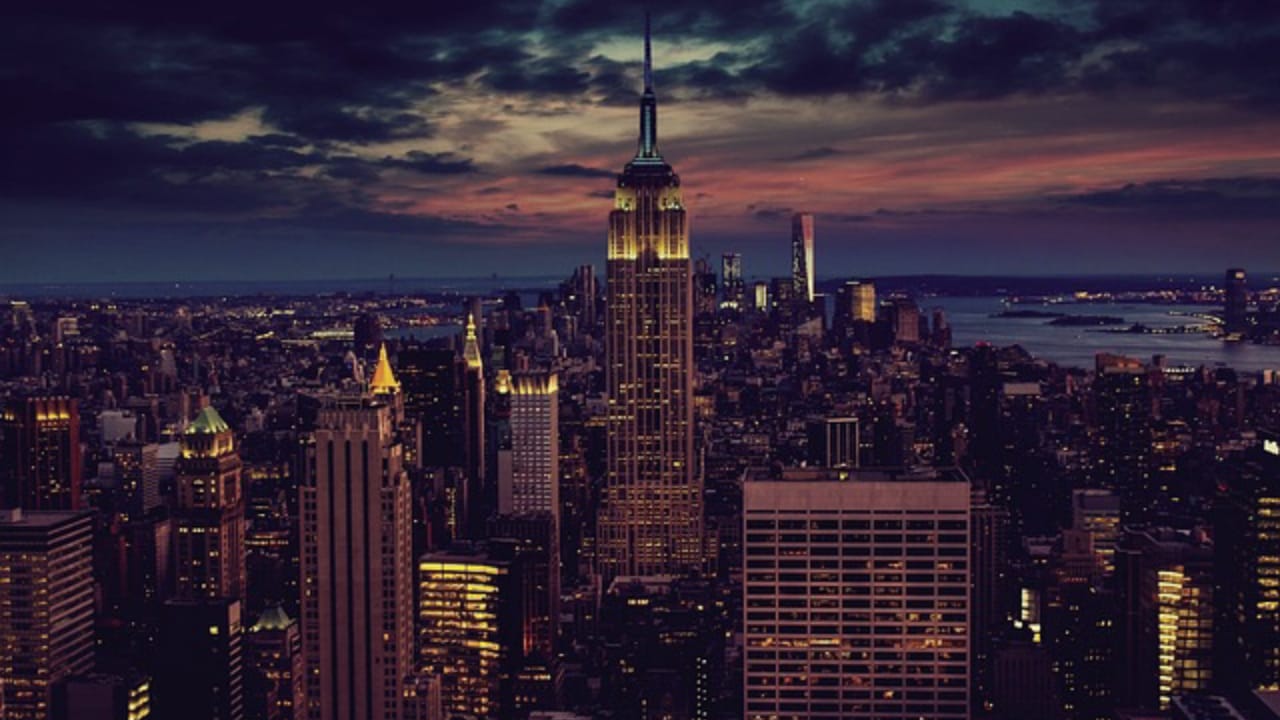
The Empire State Building has topped New York City’s must-see list for nearly a century, and it still pulls in millions of visitors every year. That popularity is exactly why timing matters so much. Show up at the wrong hour on the wrong day, and you’ll spend more time shuffling through queues than admiring the skyline.
Show up at the right moment, and you’ll get a nearly private 360-degree view of Manhattan with the golden light of sunset or the sparkle of the city at night stretched out beneath you.
This guide breaks down exactly when to go, hour by hour and month by month, so you can plan a visit that matches what you actually want out of it: short lines, dramatic photos, budget-friendly tickets, or all three.
Why Timing Your Visit Actually Matters
The Empire State Building isn’t a single attraction with one line it’s a layered experience with a ticket counter, a security checkpoint, and elevator queues stacked on top of each other. During peak hours, each of these can add 20 to 60 minutes to your visit. Multiply that across a hot summer afternoon and a two-hour wait isn’t unusual.
On the other end of the spectrum, visit during a quiet weekday morning and you could be riding the elevator to the 86th floor within ten minutes of walking through the door. The building itself doesn’t change from hour to hour, but your experience of it changes enormously depending on when you show up.
Three factors drive the difference: crowd volume, natural light, and weather visibility. Getting all three to line up in your favor is the real goal of good timing.
Best Time to Visit Empire State Building
Early Morning (9:00–10:30 AM): The Quiet Champion
If your top priority is avoiding crowds, arrive right when the building opens or shortly after. Air tends to be clearer earlier in the day before haze builds up over the city, which means better visibility and cleaner photos looking out toward the Hudson River, Central Park, and the harbor.
Tour groups and families haven’t arrived yet, school groups are still in transit, and the elevators run noticeably faster.
The tradeoff is light quality. Late-morning sun sits high and can wash out photos with harsh, flat light rather than the warm glow you get earlier or later in the day. If photography is secondary to simply having space to enjoy the view, this is your window.
Midday (11:00 AM–3:00 PM): Avoid If You Can
This is peak congestion territory, especially on weekends. Tour buses unload, lunch-break visitors pile in, and cruise-ship and hotel-checkout crowds funnel through simultaneously.
Ticket counter lines, security screening, and elevator waits all stack up during this window, and it’s common for total wait times to exceed an hour without an expedited pass. If midday is your only option, booking a skip-the-line or express ticket in advance becomes far more valuable than at any other time of day.
Sunset: The Most Popular (and Most Crowded) Slot
Sunset tickets are consistently the first time slots to sell out, and for good reason. Watching the sun dip below the New Jersey skyline while the city’s lights begin to flicker on is one of the most photographed moments in New York. The sky shifts through oranges, pinks, and deep blues, and Manhattan’s grid lights up in stages as dusk falls.
Because this slot is so popular, book your sunset ticket well in advance ideally one to two weeks ahead during busy travel seasons, and even earlier around holidays. Arrive at least 15 to 20 minutes before your designated entry window, since even timed sunset tickets can involve a short queue as everyone converges on the same slot.
Night (After 9:00 PM): Sparkling Skyline, Smaller Crowds
Once the sunset rush clears out, the building quietly becomes one of the best late-night activities in Manhattan. The observation decks stay open into the evening, and nighttime brings a different kind of view entirely: a glittering grid of lights stretching to the horizon, illuminated bridges, and the building’s own tower lighting visible from the deck itself.
Crowds thin out considerably after 9:00 PM, making this a strong pick for visitors who don’t mind skipping the sunset colors in exchange for shorter lines and a moodier atmosphere.
Keep in mind that last elevator entry typically runs about 45 minutes before closing, so check the current hours before planning a late arrival closing times shift with the seasons.
Best Day of the Week to Visit
Weekday visits consistently beat weekends. Tuesday through Thursday mornings see the lightest foot traffic of the week, since weekend leisure travelers haven’t arrived yet and the Monday post-weekend rush has settled down. Friday afternoons through Sunday, by contrast, are the busiest stretch, with Saturday midday routinely producing the longest waits of the entire week.
If your travel dates are flexible, shifting a visit from Saturday to Wednesday can be the single biggest crowd-avoidance decision you make often more impactful than choosing a specific hour.
Best Time of Year to Visit
Spring (March–May): The Sweet Spot
Spring offers a strong balance of mild weather, manageable crowds, and clear-sky days before the summer tourist surge hits full force. Cherry blossoms and blooming parks add a nice visual bonus if you’re combining your visit with a walk through Central Park or Bryant Park beforehand. April and May tend to be more comfortable temperature-wise than the humid stretch that follows in summer.
Summer (June–August): Longest Days, Biggest Crowds
Summer brings the most daylight hours and the latest closing times, giving you flexibility to fit a visit around a packed itinerary. It’s also, unsurprisingly, the busiest season of the year school’s out, international travel peaks, and every observation deck ticket sees higher demand.
If you’re visiting in summer, lean hard into the early-morning or late-night windows described above, and book tickets well ahead of time, especially for sunset.
Humidity can also reduce visibility on hazier days, so check the forecast and aim for a clear day if your schedule allows some flexibility.
Fall (September–November): Crisp Air, Excellent Visibility
Many frequent visitors consider fall the best overall season for observation deck views. Cooler, drier air after the summer humidity breaks tends to produce some of the clearest sightlines of the year, and the crowd levels drop noticeably after Labor Day.
Early-to-mid autumn combines comfortable temperatures with strong visibility, making it a favorite for photographers in particular.
Winter (December–February): Cold, Clear, and Uncrowded
Winter is the quietest season overall, apart from a crowd spike around the December holidays and New Year’s week. If you can visit in a non-holiday stretch of January or February, you’ll often find the shortest lines of the entire year.
Cold, dry winter air can also produce exceptionally sharp, long-distance visibility on clear days sometimes the best of any season though wind chill at 1,050 feet can be intense, so dress warmly.
Avoid the last week of December and New Year’s Eve week specifically, when holiday tourism pushes crowds back up to summer-peak levels.
Best Time to Avoid Crowds Entirely
If your single priority is dodging lines, combine the lowest-traffic day, hour, and season:
- Day: Tuesday, Wednesday, or Thursday
- Time: Right at opening (roughly 9:00–10:00 AM) or late evening (after 9:00 PM)
- Season: Late January through February, or mid-September through October, avoiding holiday weeks
Hitting even two of these three factors will noticeably cut your wait. Hitting all three is close to a guarantee of a fast, easy visit.
Best Time for Photography
Photographers chasing the best shots should think in terms of light, not just crowd size:
- Golden hour (the hour before sunset) delivers the warmest, most flattering light across the skyline and is the top choice for classic postcard-style shots.
- Blue hour (20–40 minutes after sunset) is a favorite among experienced photographers the sky holds a deep blue while city lights are fully on, creating striking contrast that pure daytime or full-night shots can’t match.
- Clear winter days often produce the sharpest long-distance visibility of the year, useful if you’re trying to capture distant landmarks like the Statue of Liberty or the George Washington Bridge.
- Avoid midday sun, which flattens shadows and tends to produce hazy, less dynamic images, especially in summer humidity.
Which Observation Deck Should You Choose — And Does Timing Change That?
The Empire State Building has two public observation decks: the open-air 86th floor and the enclosed, higher 102nd floor. Timing considerations apply to both, but with a few nuances. The 86th floor’s open-air design means weather and wind matter more directly a clear, calm evening will feel far more pleasant than a windy winter night.
The 102nd floor, being enclosed with floor-to-ceiling glass, is more weather-resistant and can be a smart choice if you’re visiting during a cold or blustery stretch but still want the higher vantage point.
If you’re booking a sunset slot in particular, consider whether you’d rather feel the open air on the 86th floor or watch through glass in comfort on the 102nd.
Practical Booking Tips Based on Timing
- Book online, always. Walk-up tickets exist, but popular slots especially sunset sell out days in advance, and online prices are often lower than at the counter.
- Reserve sunset and weekend slots at least one to two weeks out, longer during summer and around major holidays.
- Consider an express or skip-the-line pass if midday or weekend visits are your only option it bypasses the ticket counter, security, and elevator queues that stack up hardest during those windows.
- Check the current seasonal hours before you go. Closing times shift throughout the year, and last elevator entry is typically about 45 minutes before closing.
- Build in buffer time. Even with a timed ticket, arrive 15–20 minutes early for popular slots like sunset, since everyone with that same window tends to arrive at once.
Quick-Reference Summary
| Goal | Best Time to Visit |
|---|---|
| Shortest lines | Weekday mornings (Tue–Thu, 9–10:30 AM) or after 9 PM |
| Best photos | Golden hour and blue hour around sunset |
| Clearest views | Fall (Sept–Oct) or a crisp winter day |
| Budget-friendly, low crowds | Late January–February, avoiding holiday weeks |
| Romantic or special-occasion visit | Sunset, booked well in advance |
| Family visit with kids | Early morning or an express pass during midday |
How Long Should You Plan to Stay?
Most visits run 60 to 90 minutes when you factor in the ticket counter, security, elevator ride, and time actually spent taking in the view. That estimate assumes moderate crowd levels; during peak midday or weekend hours, plan for closer to two hours once queues are factored in.
If you’re upgrading to the 102nd floor, add another 20–30 minutes for the second elevator transition. Visitors who linger for photography, especially around sunset and blue hour, often stay considerably longer simply because the light keeps changing and it’s hard to leave.
If you’re building a full day of sightseeing around your visit, timing your Empire State Building stop at the very start or very end of the day rather than squeezed into the middle tends to work best logistically, since it lines up with the lowest-crowd windows anyway.
Weather and Visibility Considerations
Clear skies matter more here than at almost any other NYC attraction, since the entire point of the visit is the view. Before booking, especially for a sunset slot, check the forecast.
A hazy or overcast day can significantly reduce how far you can see, sometimes limiting visibility to just the surrounding blocks rather than the full skyline-to-harbor panorama the building is known for.
A few practical notes on weather:
- Rain doesn’t cancel your visit, but it will limit outdoor time on the open-air 86th floor. The enclosed 102nd floor becomes the more comfortable option on wet days.
- Wind picks up noticeably at 1,050 and 1,250 feet, even on days that feel calm at street level. Bring a layer, especially in fall and winter.
- Fog is rare but not unheard of, and it can occasionally limit visibility to near zero a risk worth weighing if you’re traveling specifically for the view and have some flexibility in your dates.
- Clear, dry air after a cold front in fall or winter often produces the single best visibility of the year, sometimes allowing sightlines that stretch well beyond the five boroughs.
If a specific day’s weather looks disappointing, many ticket types allow you to check current conditions and reschedule ahead of time it’s worth confirming the flexibility of your ticket type before you buy, particularly if you’re locking in a date far in advance.
Combining Your Visit with Other Nearby Attractions
Because the Empire State Building sits in Midtown Manhattan, its timing can dovetail nicely with other nearby stops depending on when you go:
- Morning visitors can pair an early Empire State Building trip with a walk through nearby Koreatown for breakfast, or continue on to Bryant Park and the New York Public Library, both a short walk north.
- Midday visitors stuck with less flexible schedules might combine the visit with Macy’s Herald Square or the Fifth Avenue shopping corridor, both within easy walking distance, to make the wait feel more purposeful.
- Sunset and evening visitors often continue on to dinner in the Flatiron District or Koreatown afterward, since the surrounding restaurant scene stays lively well into the night.
Thinking about your Empire State Building visit as one piece of a broader Midtown itinerary rather than an isolated stop can help you slot it into whichever time window suits your schedule best.
FAQs
Is it better to visit in the morning or at night?
Morning offers shorter lines and clearer air before midday haze sets in, while night delivers a completely different experience: a glittering, lit-up skyline and noticeably smaller crowds after around 9:00 PM. Neither is objectively “better” it depends on whether you want daytime clarity or nighttime atmosphere.
What is the cheapest time to visit?
Prices vary by ticket type more than by time of day, but booking early and choosing off-peak dates weekday mornings in late winter or early fall gives you the best odds of snagging lower-tier “best value” pricing before peak-season demand pushes ticket categories up.
How far in advance should I book?
For sunset slots or weekend visits, one to two weeks ahead is a safe minimum, and longer during summer or around major holidays. Weekday morning tickets in the off-season can often be booked just a few days out without trouble.
Does the observation deck ever close?
The Empire State Building is open year-round, though hours shift seasonally and the building can adjust hours around holidays or special events. Always check current hours before finalizing your plans, since closing times and last-elevator cutoffs change throughout the year.