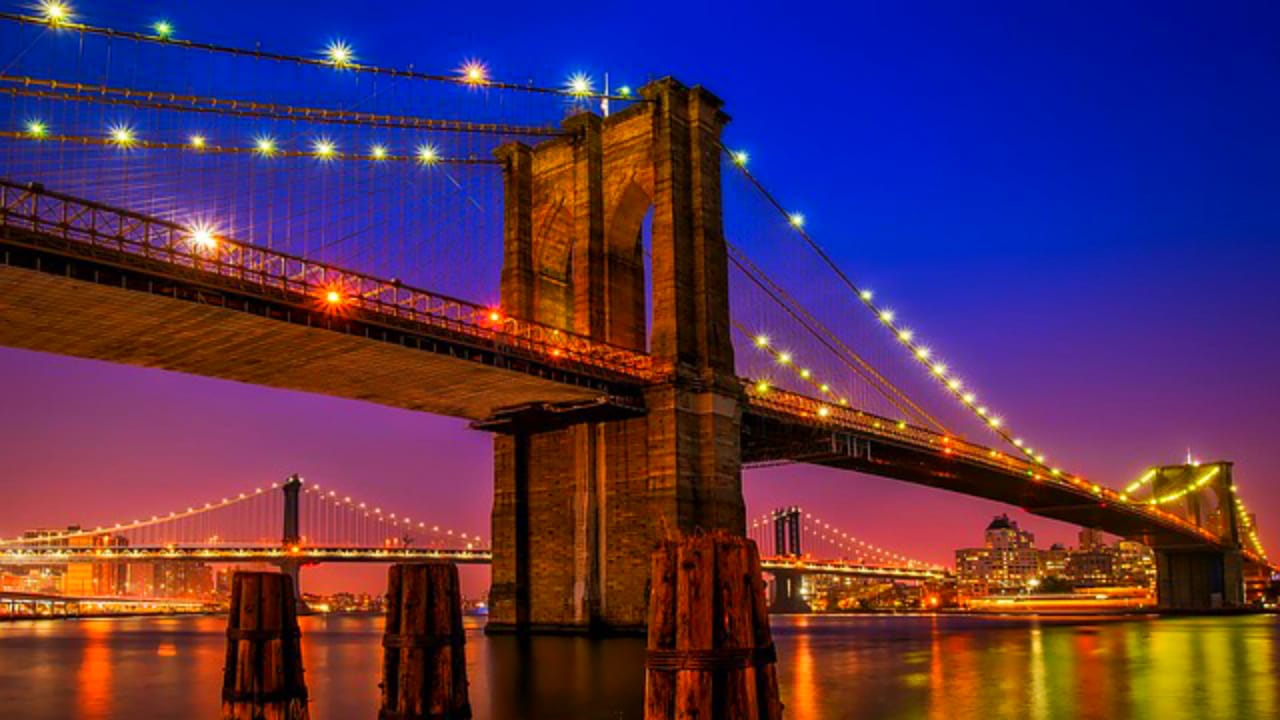
Few landmarks capture the spirit of New York City quite like the Brooklyn Bridge. Since it opened in 1883, this granite-and-steel icon has connected Manhattan and Brooklyn while offering some of the most breathtaking skyline views in the world. Whether you’re a first-time visitor or a lifelong New Yorker who’s never actually walked across it, a Brooklyn Bridge tours is one of the most rewarding ways to experience the city on foot.
In this guide, we’ll cover everything you need to know about Brooklyn Bridge tours in New York from the different types of tours available to what to expect, how much they cost, and insider tips for making the most of your visit.
Why Take a Guided Brooklyn Bridge Tours?
You could, of course, simply walk across the bridge on your own and many people do. But a guided tour adds a layer of context and storytelling that transforms a scenic stroll into a genuine historical experience. Expert guides bring the bridge’s dramatic construction story to life, covering the tragic accidents during its 14-year build, the role of chief engineer John A.
Roebling and his son Washington Roebling, and the surprising fact that the project was largely completed under the direction of Washington’s wife, Emily Warren Roebling, after he was incapacitated by decompression sickness.
Guides also point out architectural details easy to miss on your own: the neo-Gothic stone towers, the intricate web of suspension cables, and the small design choices that made the bridge one of the great engineering marvels of the 19th century.
Many tours extend beyond the bridge itself into neighboring areas like DUMBO, Brooklyn Heights, or Lower Manhattan, giving you a fuller picture of how the bridge shaped the growth of the city.
Types of Brooklyn Bridge Tours 2026
New York offers a wide range of tour styles, so there’s something for every budget, schedule, and interest level.
1. Small-Group Walking Tours
These are the most popular option for visitors who want a personal, story-driven experience. A knowledgeable local guide leads a small group across the bridge, sharing historical anecdotes, construction trivia, and hidden details along the way.
Many small-group tours run around two to three hours and combine the bridge crossing with a walk through DUMBO’s cobblestone streets, its famous Instagram-worthy Manhattan Bridge photo spot, and waterfront parks with panoramic skyline views.
2. Brooklyn Bridge and DUMBO Combined Tours
These tours pair the bridge walk with time in DUMBO (Down Under the Manhattan Bridge Overpass), one of Brooklyn’s most photogenic neighborhoods. Expect roughly 1.5 miles of walking over about two and a half hours, with stops for photos, historic warehouse architecture, and waterfront views of the Manhattan skyline.
Comfortable shoes are essential, and most of these tours are not wheelchair accessible due to the bridge’s uneven walkway and stairs.
3. Brooklyn Bridge and Lower Manhattan Tours
If you’re interested in a broader slice of downtown history, look for tours that combine the bridge with stops at Wall Street, the 9/11 Memorial, and other Lower Manhattan landmarks. These typically depart from near City Hall in the morning and blend the bridge’s engineering story with the financial district’s history.
4. Free “Pay-What-You-Want” Walking Tours
Budget-conscious travelers can find free or donation-based walking tours led by local guides, often covering the bridge alongside Brooklyn Heights or DUMBO. These tours run on tips, so guests pay what they feel the experience was worth at the end. They tend to be lively and informal, with guides who genuinely love sharing New York stories.
5. Educational and History-Focused Tours
For a deeper academic dive, some organizations offer tours that combine an indoor lesson on the bridge’s engineering and history with a guided walk onto the bridge itself. These are especially popular with history buffs, students, and anyone who wants more technical detail about how the bridge was actually built.
6. Private and Custom Tours
If you’d rather not join a group, private guided tours are widely available. These can be tailored to your pace, interests, and schedule, and are a good option for families, photographers who want extra time at scenic spots, or travelers with limited mobility who need a more flexible route.
What to Expect on a Typical Tour
Most Brooklyn Bridge walking tours follow a similar general structure:
- Meeting point: Many public tours meet near City Hall Park or the Manhattan entrance to the bridge, close to subway stations like City Hall, Chambers Street, and Park Place.
- Duration: Tours typically run from two to three hours, depending on whether they include DUMBO, Brooklyn Heights, or Lower Manhattan.
- Distance: Expect to walk anywhere from 1.5 to 3 miles, so comfortable footwear is a must.
- Group size: Options range from large general-admission groups to small groups of a dozen or fewer, up to fully private tours.
- Accessibility: Because the bridge walkway includes stairs and an uneven wooden-and-stone surface, most standard tours are not wheelchair accessible. If accessibility is a concern, contact the tour operator in advance to ask about alternative routes.
- Weather: Outdoor walking tours depend on decent weather. Some operators note that Brooklyn Bridge and Heights tours pause during the coldest winter months because the walkway can become icy and slippery.
How Much Do Brooklyn Bridge Tours Cost?
Prices vary widely depending on the tour type:
- Free or “pay-what-you-want” tours: No fixed price guests tip based on their experience.
- Standard small-group tours: Roughly $20-$40 per person, with discounts sometimes available for seniors and students.
- Combined DUMBO or Lower Manhattan tours: Generally in a similar range, sometimes slightly higher depending on length and inclusions.
- Private tours: Priced per group rather than per person, so cost depends heavily on group size and customization.
- City pass inclusions: Some multi-attraction New York sightseeing passes include a Brooklyn Bridge and DUMBO tour as part of the package, which can be a good value if you’re already planning to use one of these passes for other attractions.
Best Time to Take a Brooklyn Bridge Tours
Timing matters more than you might expect on the Brooklyn Bridge, which welcomes tens of thousands of pedestrians every day. To avoid crowds and get the clearest photos:
- Early morning (around sunrise) is widely considered the best window for photography, before the bridge fills with commuters, cyclists, and tour groups.
- Weekdays tend to be less congested than weekends, particularly during peak tourist season in the summer.
- Golden hour in the evening is a popular alternative if you’re not an early riser, offering warm light over the Manhattan skyline though expect more foot traffic.
- Spring and fall offer comfortable walking temperatures and good visibility, while summer brings the biggest crowds and winter can bring icy, slippery conditions that lead some operators to pause public walking tours entirely.
Recent Changes Worth Knowing About
If you haven’t visited in a while, note that New York City has been redesigning the bridge’s Manhattan entrance to ease pedestrian and cyclist congestion at the notoriously crowded “mixing zone,” where foot and bike traffic used to collide.
The project separates pedestrian and cyclist paths more clearly, which should make for a smoother, safer crossing whether you’re on a guided tour or exploring independently.
Tips for Choosing the Right Tour
With so many options, here’s how to narrow down the best fit for your trip:
- Decide how much history you want. If you’re mainly after photos and a scenic walk, a shorter DUMBO-combined tour may suit you best. If you love in-depth history, look for tours that dedicate more time specifically to the bridge’s construction story.
- Check the walking distance. Some tours cover just the bridge itself, while others stretch to three miles through multiple neighborhoods. Choose based on your fitness level and how much time you have.
- Read recent reviews. Guide quality varies significantly between companies, so recent traveler reviews are one of the best indicators of what to expect.
- Confirm accessibility needs in advance. If you or someone in your group has mobility limitations, reach out to the operator directly rather than assuming.
- Book ahead in peak season. Summer weekends fill up quickly, especially for small-group and private tours.
- Consider combining with nearby attractions. Many visitors pair a Brooklyn Bridge tour with a stop at Brooklyn Bridge Park, Jane’s Carousel, or a pizza stop in DUMBO afterward.