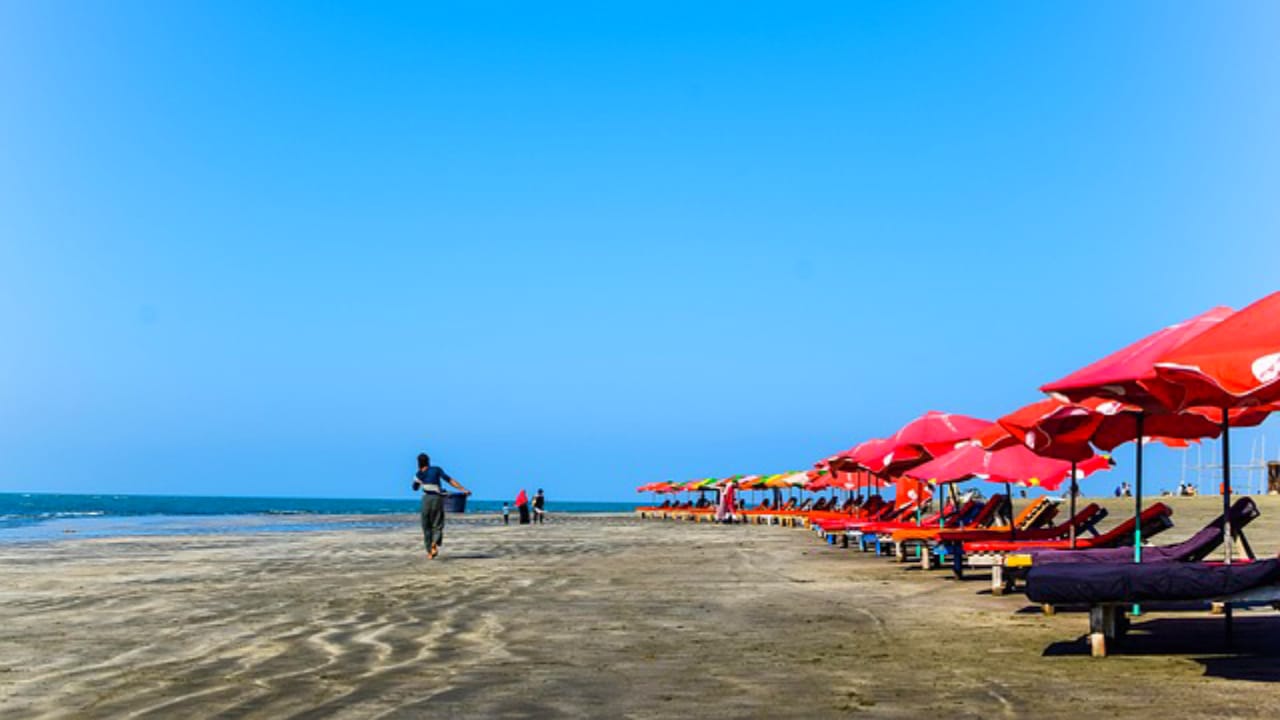
There’s a particular kind of magic in standing on a beach where you can watch the sun rise out of the water in the morning and sink back into it again at night, without moving from the same stretch of sand. Very few places on Earth offer that. Kuakata Sea Beach, tucked away on the southernmost tip of Bangladesh in the Patuakhali district, is one of them and it’s exactly why locals affectionately call it “Sagar Kannya,” or the Daughter of the Sea.
If you’ve been searching for a coastal escape that feels less commercialized than Cox’s Bazar, less remote than Saint Martin’s Island, and still delivers wide open beaches, mangrove forests, fishing villages, and genuinely good seafood, Kuakata deserves a serious look. This guide walks you through everything you need to know before you go: how to get there, what to see, where to stay, what to eat, and how to plan your days so you don’t miss the things that make this beach town special.
Where Is Kuakata Located?
Kuakata sits in Patuakhali district, in the Barisal Division of southern Bangladesh, right where the land finally gives way to the Bay of Bengal. It’s roughly 320 kilometers south of Dhaka and about 70 kilometers from the Patuakhali district headquarters.
The beach itself stretches for a long, flat expanse along the coast most sources describe it as somewhere between 18 and 30 kilometers in length and 3 to 6 kilometers wide, depending on the tide and which section you’re measuring, with a gentle slope that eases into the Bay of Bengal.
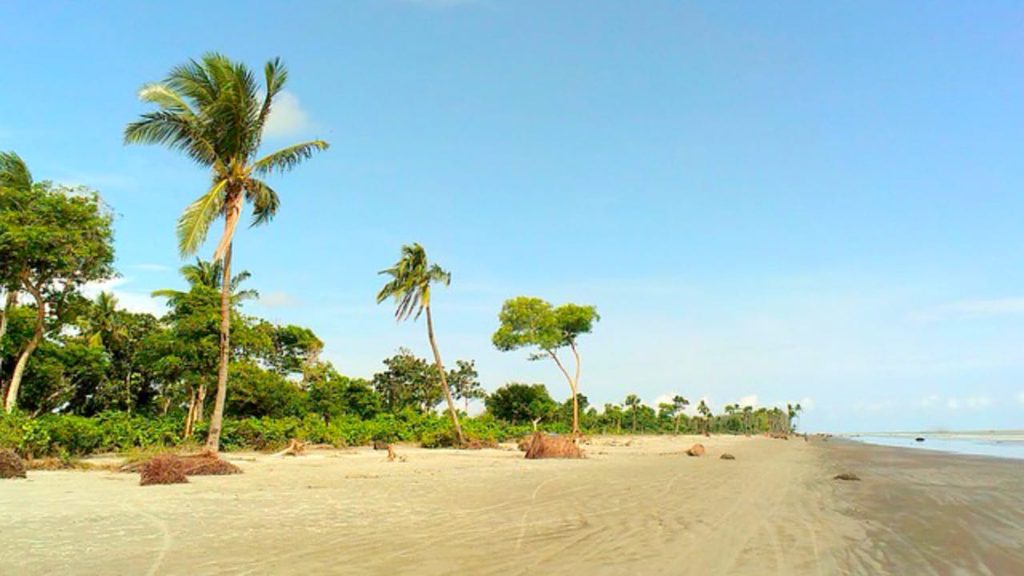
Geographically, Kuakata occupies a unique position. Because the coastline here curves in a way that isn’t common elsewhere in Bangladesh, visitors get an unobstructed view of both sunrise and sunset from the very same shoreline a feature that has made this beach town one of the most talked-about coastal destinations in the country.
The Story Behind the Name “Kuakata”
The name Kuakata has an interesting backstory rooted in migration and survival. In the late 18th century, a group of Rakhine people fled from Arakan (in present-day Myanmar) after being expelled from their homeland. When they settled along this stretch of coast, fresh drinking water was scarce, so they dug wells locally called “kua” to access groundwater. Over time, the place became known as Kuakata, meaning roughly “the place of the well.”
That Rakhine heritage hasn’t disappeared. Their descendants still live in the area today, particularly in a neighborhood known as Rakhine Palli, and their Buddhist culture, temples, and traditions remain an intact and fascinating part of what makes a Kuakata trip more than just a beach visit.
How to Reach Kuakata Sea Beach
Getting to Kuakata used to be a genuine adventure involving multiple ferry crossings, but the completion of the Padma Bridge dramatically shortened travel times from Dhaka. Here’s how most travelers make the journey today.
By direct bus from Dhaka: This is by far the most popular option. Several private bus operators run direct coaches from Dhaka’s Gabtoli, Sayedabad, or Gulistan bus terminals straight to Kuakata. The journey typically takes anywhere from 7 to 9 hours depending on traffic and road conditions, and both AC and non-AC coaches are usually available. Many travelers prefer overnight buses that leave Dhaka late in the evening, so you arrive in Kuakata around sunrise timed perfectly to walk straight onto the beach and catch the day’s first light over the water.
Via Barisal: If you’d rather break up the journey, you can take a bus, launch (riverboat), or even a short flight from Dhaka to Barisal, then continue onward to Kuakata by road, which takes roughly another 3 to 4 hours. The river launch route from Dhaka to Barisal is a classic Bangladeshi travel experience in itself, with large multi-deck steamers cruising overnight along the river system it’s worth doing at least once if you have the time.
By train plus bus: There’s no direct rail line into Kuakata, but you can take a train from Dhaka to a nearby junction and then transfer to a local bus or CNG (auto-rickshaw) for the remaining distance. This route takes longer and involves more coordination, so it’s best suited to travelers who specifically want the train experience or are coming from a city already connected by rail.
By private car or rented microbus: If you’re traveling in a group or simply prefer flexibility, hiring a private car or microbus from Dhaka is entirely feasible now that the Padma Bridge has cut out the old ferry bottleneck. Expect around 6 to 7 hours of driving time, with the option to stop along the way in towns like Barisal or Patuakhali for food and sightseeing.
Once you arrive in Kuakata town, almost everything the beach, guesthouses, restaurants, and the main market is within easy walking or short rickshaw distance of the bus stand.
Best Time to Visit Kuakata Sea Beach
Timing your trip well makes a real difference to how much you enjoy Kuakata, since this is a coastal destination affected by monsoon rains and cyclonic weather patterns typical of the Bay of Bengal.
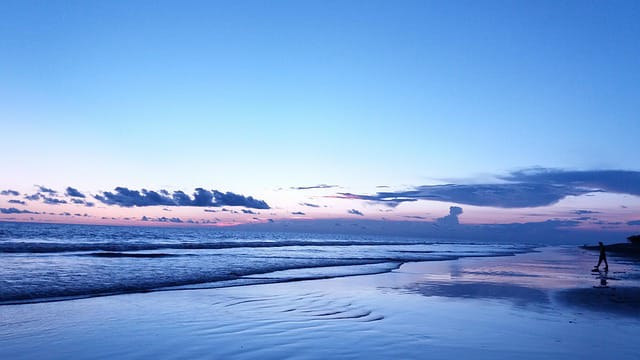
Winter (November to February) is widely considered the best season to visit. The weather is dry, mild, and comfortable for walking long stretches of beach, cycling, or taking boat trips. This is also when migratory birds arrive in the region, making the winter months a treat for birdwatchers exploring the nearby forests and wetlands. Expect the biggest crowds around New Year’s Eve and other holidays, since Kuakata is a popular short getaway for Bangladeshi families and young travelers alike.
Post-monsoon (October) can also be lovely, with lush green surroundings from the recent rains and fewer tourists than peak winter, though you’ll want to keep an eye on weather forecasts since the tail end of monsoon season can still bring unpredictable showers.
Summer and monsoon season (March to September) is generally the least recommended window. Temperatures climb, humidity is high, and heavy monsoon rains from roughly June through September can make the beach unsafe for swimming due to rough surf and strong undercurrents. This period also carries a higher risk of cyclones forming in the Bay of Bengal, so it’s worth checking weather advisories closely if you’re set on visiting during these months.
If your main goal is to catch both sunrise and sunset on a clear day, aim for a cloud-free winter morning and evening cloud cover is the single biggest factor that can spoil the view either way.
Top Attractions in and Around Kuakata
Kuakata isn’t just a single stretch of sand it’s a small region packed with a surprising variety of things to see, most of them within a short boat, motorbike, or rickshaw ride from the main beach.
The Main Beach
This is obviously the headline attraction, and rightly so. The main beach area near the town center is where most visitors base themselves for sunrise and sunset viewing. The sand here is relatively firm and flat, ideal for long walks, and the water eases in gently rather than crashing dramatically, which makes it more approachable than some of Bangladesh’s other coastal spots.
Fishing boats bobbing along the shoreline, their colorful flags fluttering in the sea breeze, add to the scenic charm, especially in the golden hours around dawn and dusk.
Gangamati Reserved Forest
Located toward the eastern end of the beach, Gangamati (sometimes spelled Gangamoti or called Gojmati Forest) is an evergreen mangrove forest that was historically connected to the larger Sundarbans ecosystem.
You can reach it on foot or by bicycle along the shoreline, and once inside, you’ll find walking trails winding through dense greenery that’s home to various bird species, monkeys, and other small wildlife. It’s a refreshing contrast to the open beach and a favorite spot for nature photographers.
Red Crab Island (Kakra Dip / Kuakata Char)
A short boat or speedboat ride from the main beach takes you to a sandy char (river island) that’s home to thousands of small red crabs scuttling across the shore. It’s a striking, almost surreal sight, especially at low tide when the crabs emerge in large numbers across the exposed sand. This spot is particularly popular for sunrise excursions, since boats typically head out early to catch both the crabs and the morning light.
Rakhine Palli and Buddhist Temples
To understand Kuakata beyond its natural scenery, a visit to Rakhine Palli is essential. This is the neighborhood where descendants of the original Rakhine settlers live, and it’s home to several Buddhist temples and monasteries, including the well-known Mishripara Buddhist Monastery (Keo Ratan Buddhist Bihar).
The temples house Buddha statues and artifacts, and visiting during a local festival if your timing allows offers a genuine glimpse into a distinct cultural community that has coexisted alongside the beach town for over two centuries.
Fatrar Char (Tengragiri Wildlife Sanctuary)
A boat trip into Fatrar Char, part of the Tengragiri Wildlife Sanctuary, takes you through a network of mangrove waterways reminiscent of a miniature Sundarbans. Local fishermen and small tour operators run boats through the channels, and it’s a good spot to look out for various bird species and get a feel for the mangrove ecosystem that lines much of this coastline.
Kuakata Eco Park and Lake
Near the beach’s parking area, there’s a small eco park built around a lake connected by a footbridge. It’s a relaxed spot where you can rent a paddle boat and spend an hour away from the sun, especially useful if you’re traveling with kids or simply want a break between beach sessions.
Alipur Fishing Port
For a completely different kind of scene, head to Alipur, a bustling fishing port a short distance from Kuakata. Early mornings here are chaotic in the best way boats returning with the night’s catch, fishmongers haggling over prices, and an overwhelming variety of fresh seafood being sorted, weighed, and sold. If you’re interested in local life beyond the tourist beach, this is where to see it.
Kuakata Lighthouse and Zero Point
The area around what’s often referred to as “Zero Point” marks a symbolic starting point for exploring the beach, and nearby you’ll find the lighthouse structure that helps guide fishing vessels along this stretch of coast. It’s a good landmark for orienting yourself and a popular meeting point for tours and motorbike guides.
Best Things to Do in Kuakata
Beyond simply seeing the sights, Kuakata rewards travelers who get a little more active and immersive with their time there.
Watch sunrise and sunset from different points: Since Kuakata’s whole appeal rests on this dual view, it’s worth changing your vantage point across a multi-day trip. Try the main beach for one sunset, then head toward Gangamati or the western beach area for the next, since the angle and surrounding scenery shift noticeably.
Take a motorbike tour along the beach: Renting a motorbike with a local guide is one of the most popular ways to cover the 18-kilometer stretch efficiently. A typical tour includes stops at Gangamati for sunrise, Red Crab Island, the Rakhine villages, and the western beach for sunset essentially hitting most of the highlights in a single day.
Go on an early morning boat trip: Local boats head out at first light toward nearby chars and mangrove channels. Besides the scenery, these trips occasionally turn up pods of dolphins in the surrounding waters, along with glimpses of small stilted fishing villages built along the water’s edge.
Cycle along the shoreline: For a slower-paced alternative to motorbikes, several operators offer bicycle tours that combine a gentle ride along the coastline with stops at scenic viewpoints a nice option if you’d rather take in the surroundings at your own pace.
Walk the tide line and collect shells: As unglamorous as it sounds, simply walking the beach as the tide shifts, digging your feet into the wet sand, and collecting shells is one of the most peaceful things you can do here. The wide, uncrowded beach makes this kind of unhurried wandering genuinely enjoyable rather than something you have to fight for space to do.
Visit the beachside fish markets in the evening: As the sun goes down, small stalls near the beach sell the day’s catch, often grilling or frying it right there for visitors. It’s an easy way to sample fresh seafood without booking a formal restaurant.
Photograph the fishing boats: The colorful wooden fishing boats anchored along the shore, with their patterned flags, are a favorite subject for photographers, particularly in the soft light just after sunrise or before sunset.
Where to Stay in Kuakata
Accommodation in Kuakata ranges from simple budget guesthouses to some genuinely comfortable mid-range hotels and resorts, most of them concentrated close to the main beach for easy access.
Budget guesthouses: These are plentiful along the main road leading to the beach and are popular with backpackers and student groups. Rooms tend to be basic but functional, and prices are noticeably lower than what you’d pay in more developed beach destinations, which is part of why Kuakata has become such a favorite quick getaway for younger travelers.
Mid-range hotels: A step up from the guesthouses, mid-range hotels typically offer private bathrooms, air conditioning, and sometimes a sea view, making them a solid choice for families or couples who want a bit more comfort without paying resort prices.
Resorts and cottages: For a more relaxed, higher-comfort stay, several beachfront resorts and cottage-style properties have opened in recent years, offering amenities like on-site restaurants, gardens, and better-furnished rooms. These are generally priced higher but still relatively affordable compared to international beach resort standards.
Whichever category you choose, it’s worth booking ahead during winter weekends and around holidays like New Year’s Eve, when Kuakata sees a significant spike in domestic tourists and rooms can fill up quickly.
What to Eat in Kuakata
Given its location right on the Bay of Bengal, seafood is unsurprisingly the star of Kuakata’s food scene, and it’s genuinely one of the highlights of visiting.
Hilsa (Ilish) fish: As Bangladesh’s national fish, hilsa is a must-try, and Kuakata’s proximity to the sea means it often arrives at the table remarkably fresh. It’s commonly prepared fried, in a mustard-based curry, or cooked with rice in local khichuri-style dishes.
Red crabs: Given the abundance of crabs along the nearby chars, it’s no surprise they show up on local menus too, usually prepared in a spiced curry or simply fried with garlic and chili.
Prawns: Various types of prawns caught locally are grilled, curried, or fried, and are widely available at beachside stalls and small restaurants.
Khichuri with fish: A comforting, one-pot rice-and-lentil dish, often paired with fried hilsa or other local fish, is a popular meal among visitors looking for something hearty after a long beach walk.
Street food and tea stalls: Along the main road and near the beach entrance, small stalls sell snacks, fried items, and strong Bangladeshi tea — a nice way to fuel up between sightseeing stops without committing to a sit-down meal.
For the freshest experience, consider visiting Alipur fishing port in the early morning, buying fish or crab directly from the fishermen, and asking a nearby restaurant to cook it for you — a practice that’s fairly common and gives you about as fresh a seafood meal as you can get.
Travel Tips and Safety Advice
A little preparation goes a long way toward making your Kuakata trip smooth and enjoyable.
Sun protection is essential: The sun along this open coastline can be intense, particularly around midday. Pack sunscreen, sunglasses, and a hat, and try to schedule your most active outdoor time walking, cycling, or motorbike tours for the cooler morning and late afternoon hours.
Be cautious about swimming conditions: The water can be rough and murky in places, with occasional strong undercurrents, so it’s wise to swim only in calmer, shallower areas and avoid going in during or right after heavy rain or rough weather. Marine life concerns are minimal you’re far more likely to run into a crab than anything dangerous but jellyfish can occasionally appear, so keep an eye on where you’re wading.
Watch your belongings: As with any busy tourist beach, petty theft can occur in crowded areas, so keep valuables secured, avoid leaving bags unattended, and consider using a waterproof pouch for your phone and cash while you’re near the water.
Check the weather before you go, especially outside winter: The Bay of Bengal is prone to cyclonic activity, particularly during the pre-monsoon and monsoon months. If you’re traveling between April and September, keep an eye on weather bulletins and be prepared to adjust plans if a storm system is forecast.
Carry cash: While larger hotels and some restaurants may accept cards or mobile payment apps common in Bangladesh, many smaller guesthouses, food stalls, and boat operators deal primarily in cash, so it’s a good idea to withdraw what you need before leaving Barisal or Patuakhali, where ATMs are more reliable.
Negotiate boat and motorbike tour prices upfront: Whether you’re hiring a boat to Red Crab Island or a motorbike guide for the day, it’s standard practice to agree on the price before starting, since informal tour operators generally don’t have fixed rate cards.
Respect local customs at religious sites: When visiting the Buddhist temples in Rakhine Palli, dress modestly and follow any guidance from monks or caretakers about where you can and can’t go, particularly around active worship areas.
Pack light, breathable clothing: Given the coastal heat and humidity for much of the year, loose cotton clothing works best, along with a light jacket or shawl for the cooler winter evenings and early morning boat trips.
2-Day, 1-Night Kuakata Sea Beach Trip
Day 1: Arrive in Kuakata by morning bus (if you took an overnight coach from Dhaka), check into your guesthouse, and head straight to the beach to relax after the journey. Spend the afternoon walking the shoreline, then position yourself at a good sunset viewpoint along the western beach area. In the evening, grab dinner at one of the beachside seafood stalls.
Day 2: Wake up early for sunrise over the beach, then take a short boat trip to Red Crab Island before breakfast. Spend the late morning visiting Rakhine Palli and its Buddhist temples, then head back for lunch and your return bus or onward journey by early afternoon.
3-Day, 2-Night 2-Day, 1-Night Kuakata Sea Beach Trip
Trip
Day 1: Arrive, settle into your accommodation, and spend the afternoon and evening exploring the main beach and catching your first sunset.
Day 2: Start with an early boat trip to Red Crab Island and Gangamati for sunrise, followed by breakfast. Rent a motorbike or bicycle for the afternoon to explore the full stretch of the beach, stopping at Fatrar Char or the mangrove areas along the way. Wrap up the day with sunset at a different viewpoint than the previous evening.
Day 3: Spend the morning visiting Alipur fishing port for a look at local life and possibly a fresh seafood breakfast, then explore Rakhine Palli and the nearby monasteries before heading to the eco park for a relaxed final hour. Depart by early afternoon.
Both itineraries can be extended by a day if you want more unhurried beach time or a deeper dive into the mangrove forest areas.
Nearby Places Worth Combining With Your Trip
If your schedule allows for a slightly longer regional trip, Kuakata pairs well with a few nearby destinations. Barisal itself, with its historic river system and old zamindar houses, makes for an interesting stopover on the way to or from Dhaka, especially if you travel by launch rather than bus.
Patuakhali town, the district headquarters, offers a quieter, more local experience if you want a break from the tourist-oriented parts of Kuakata. Some travelers also combine Kuakata with a visit to the Sundarbans mangrove forest further west, though that typically requires a separate multi-day trip given the distance and logistics involved.
What to Pack for a Kuakata Trip
Packing sensibly for Kuakata makes a noticeable difference to how comfortable your trip feels, since the coastal climate and long stretches of walking or motorbiking call for a slightly different kit than a typical city trip.
Clothing: Lightweight, breathable cotton clothes work best given the heat and humidity for most of the year. If you’re visiting in winter, bring a light jacket, shawl, or hoodie for cooler early mornings and evenings, especially if you’re heading out for sunrise boat trips when the sea breeze can feel surprisingly chilly.
Footwear: A pair of sandals or flip-flops is essential for the beach itself, but pack sturdier walking shoes too if you plan on hiking through Gangamati Forest or exploring Fatrar Char, where the ground can be uneven and occasionally muddy.
Sun protection: Sunscreen, sunglasses, and a wide-brimmed hat or cap are non-negotiable, particularly if you’re spending long hours outdoors for both the sunrise and sunset. The open beach offers very little natural shade.
Insect repellent: Given the proximity to mangrove forests and wetland areas, mosquitoes and other insects can be an issue, particularly around dusk, so a good repellent is worth packing.
Waterproofing: A dry bag or waterproof phone pouch is useful for boat trips to Red Crab Island or Fatrar Char, where sea spray and occasional splashing are part of the experience.
Basic first-aid and medication: As with any trip to a smaller town, it’s wise to carry basic first-aid supplies, any personal medication you need, and rehydration salts, since pharmacies in Kuakata are more limited than in larger cities.
Cash and a padlock: As mentioned earlier, cash is king in Kuakata, and a small padlock for your bag or guesthouse locker adds an extra layer of security for your belongings.
Shopping in Kuakata
While Kuakata isn’t primarily known as a shopping destination, there are a few worthwhile things to pick up before you head home. Dried fish is a popular local product, sold in small shops and stalls near the beach and at Alipur fishing port, and makes for an authentic, if pungent, souvenir.
Handicrafts made by the local Rakhine community, including woven items and small wooden or bamboo crafts, can sometimes be found around Rakhine Palli, offering a way to support the local artisan community directly. Shell and coral items are also commonly sold by vendors along the beach, though it’s worth being mindful about purchasing items that may involve harvesting from sensitive marine ecosystems. For something simpler, locally produced honey and traditional Bangladeshi sweets are widely available in the main market area and travel well.
Local Culture and Festivals
Beyond the beach itself, Kuakata’s blend of communities gives it a cultural texture that’s easy to miss if you’re only there for a quick sunset photo. The Rakhine community, descended from the original settlers who arrived over two centuries ago, maintains distinct traditions, language, and Buddhist religious practices that set the area apart from much of the rest of Bangladesh.
If your visit coincides with a Buddhist festival or ceremony at one of the local monasteries, it’s worth attending respectfully as an observer, as these events offer a rare window into a community that has quietly preserved its heritage while living alongside one of the country’s most visited beaches.
Fishing communities along the coast, particularly around Alipur, also contribute their own rhythm to daily life in the area. Early mornings are shaped almost entirely around the return of fishing boats, the sorting and selling of the catch, and the general bustle of a working port, which stands in contrast to the more relaxed, tourist-paced atmosphere of the beach itself just a short distance away.
FAQs
Is Kuakata worth visiting?
Yes, particularly if you’re looking for a beach destination that’s less commercialized and crowded than Cox’s Bazar, with the added novelty of watching both sunrise and sunset from the same shoreline, plus easy access to mangrove forests, a distinct Rakhine cultural community, and genuinely good, affordable seafood.
How many days do you need in Kuakata?
Two to three days is generally enough to cover the main beach, Red Crab Island, Gangamati Forest, and Rakhine Palli comfortably, though you could easily extend your stay if you want more relaxed beach time or want to explore Fatrar Char and the surrounding mangrove areas in more depth.
Is Kuakata safe for tourists?
Yes, this is Kuakata’s signature feature. Because of the coastline’s geography, you can watch the sun rise over the Bay of Bengal in the morning and set into the same sea in the evening, all from the same general stretch of beach, though moving to slightly different viewpoints often gives you the best angle for each.
What is the best time of year to visit Kuakata?
Winter, roughly November through February, offers the driest, most comfortable weather and the clearest skies for sunrise and sunset viewing. Summer and monsoon months bring heat, humidity, rain, and a higher risk of rough seas or cyclonic weather.
How is Kuakata different from Cox’s Bazar?
Cox’s Bazar is larger, more developed, and considerably busier, with a longer stretch of beachfront hotels and a more built-up tourist infrastructure. Kuakata is smaller, quieter, and less commercialized, with its main draw being the dual sunrise-and-sunset view, along with easier access to mangrove forests, fishing villages, and the Rakhine cultural community, making it a better fit for travelers who prefer a slower, more low-key beach experience.
Is it possible to visit Kuakata as a day trip?
It’s technically possible if you’re already in Barisal or Patuakhali, but given the travel time from Dhaka, most visitors find it far more worthwhile to stay at least one night so they can catch both a sunrise and a sunset rather than rushing through in a single day.