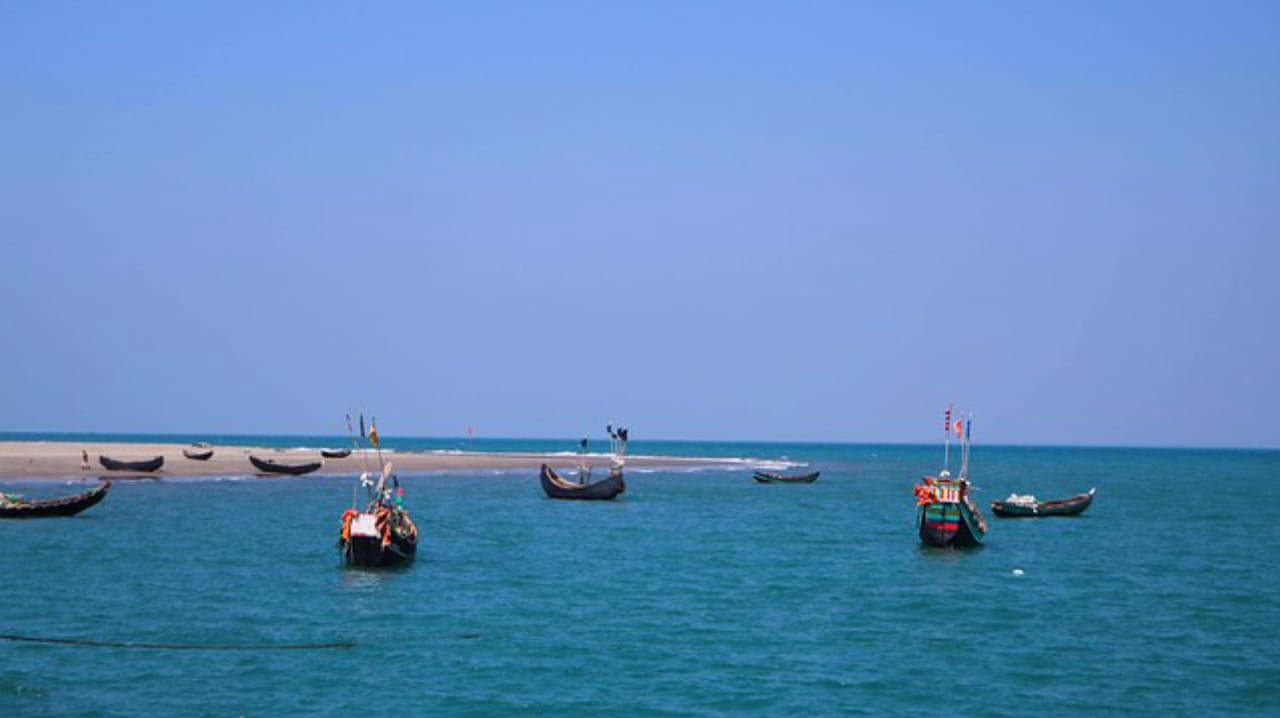
If you’ve ever typed Saint Martin Island Bangladesh into a search bar, chances are you’ve stumbled onto a mix of dreamy beach photos and confusing headlines about closures, travel passes, and seasonal bans. That’s because Bangladesh’s lone coral island has quietly become one of the most talked-about and most tightly managed destinations in South Asia. It’s still stunningly beautiful.
It’s still worth the journey. But visiting it in 2026 looks very different from visiting it a decade ago, and if you show up unprepared, you might not get on the boat at all.
This guide breaks down everything you need to know: what makes the island special, why the government has clamped down on tourism, when you can actually go, how to get there, what to do once you arrive, and how to plan a trip that doesn’t leave you stranded in Teknaf wondering what went wrong. Whether you’re a Bangladeshi traveler planning a weekend escape or an international visitor curious about this little dot in the Bay of Bengal, here’s the full picture.
Where Is Saint Martin Island?
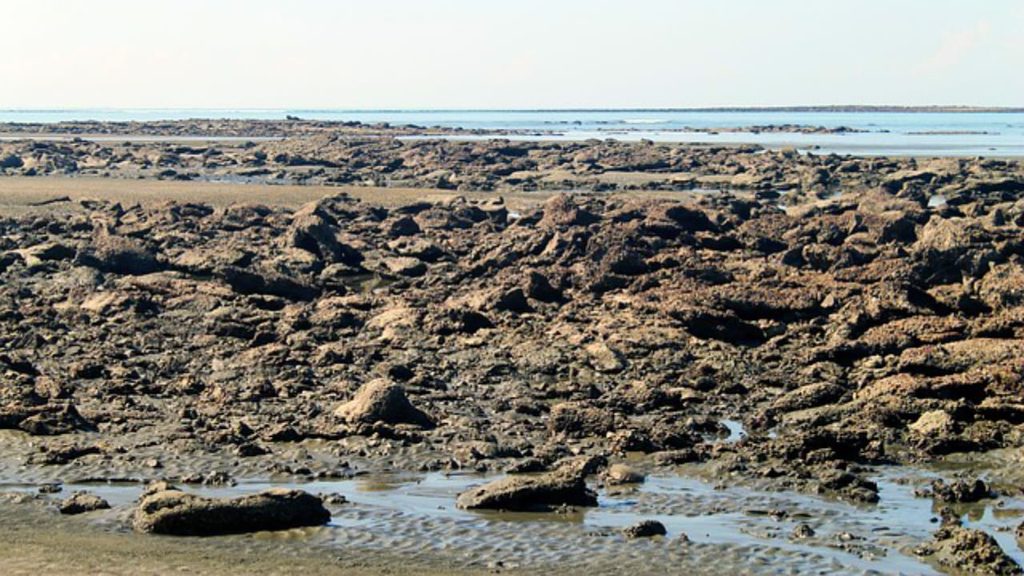
Saint Martin’s Island sits at the southernmost tip of Bangladesh, roughly 9 kilometers off the coast of Teknaf in Cox’s Bazar District, right where the Bay of Bengal meets the Naf River estuary. It’s a small island only about 8 square kilometers at high tide, and considerably larger when the tide pulls back and exposes flat coral reef along the shoreline.
The island is shaped roughly like a boomerang, with a narrow sandy strip called Chera Dwip (also spelled Ceradia or Chhera Dwip) connected to the main island by a shallow, walkable stretch of sand and reef during low tide.
Locally, the island is known as Narikel Jinjira, which translates to “Coconut Island,” a nod to the dense groves of coconut palms that sway across almost every inch of it. It’s the only coral-bearing island in Bangladesh, which is exactly why it’s simultaneously one of the country’s most beloved tourist destinations and one of its most ecologically fragile.
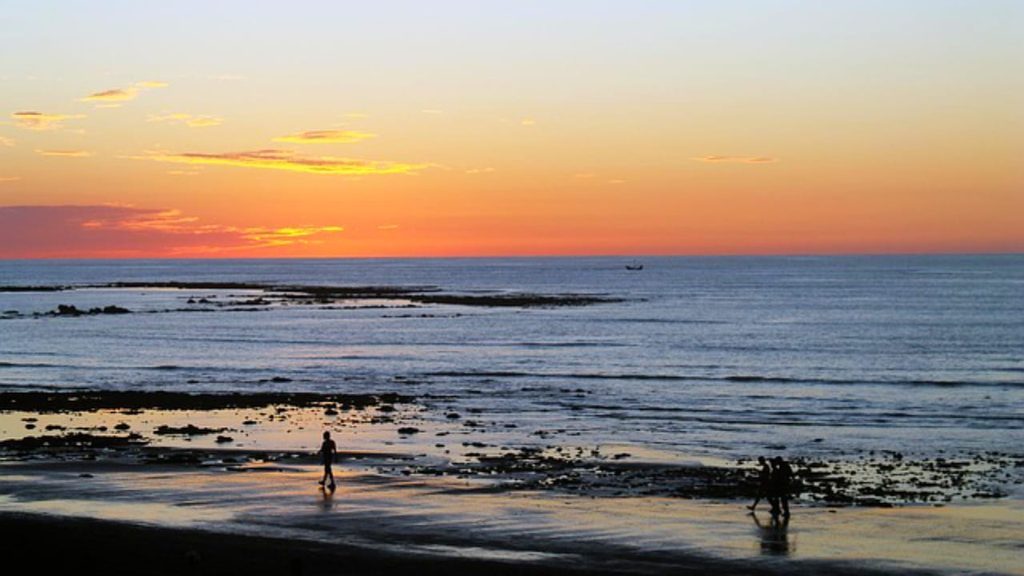
For scale, Saint Martin’s is tiny compared to islands you might be picturing when you think “tropical getaway.” There are no high-rise resorts, no international chain hotels, and no shopping malls. What you get instead is a slower rhythm: fishing boats returning at dawn, coral stones scattered along the tide line, coconut palms leaning over turquoise water, and a horizon that, on a clear day, blurs the line between sea and sky.
A Brief History of Saint Martin Island Bangladesh
Long before it became a bucket-list destination for Bangladeshi travelers, Saint Martin’s Island was primarily a fishing outpost, home to a small, close-knit community that built its livelihood almost entirely around the sea. Local lore holds that Arab traders passed through these waters centuries ago on trade routes through the Bay of Bengal, and the island’s older name, Narikel Jinjira, reflects a much longer relationship with coconut cultivation than with tourism.
The name “Saint Martin’s” itself is a colonial-era label, believed to date back to British administrative records, though the island has always been known to locals by its Bengali name first. Tourism only really took off from the late twentieth century onward, as improved transport links to Cox’s Bazar and Teknaf made the journey more accessible to domestic travelers curious about the country’s only coral formation.
What started as a niche destination for adventurous backpackers gradually grew into a mainstream holiday spot, particularly during the cooler winter months and it’s that very growth in popularity that eventually triggered the environmental strain now being addressed through seasonal closures and stricter regulation.
Understanding this arc matters because it reframes the current restrictions: they’re not an attempt to shut the island off from visitors permanently, but a course correction after years of tourism growing faster than the island’s fragile ecosystem could sustainably absorb.
Why Saint Martin’s Island Is Called Bangladesh’s Coral Island
Coral reefs are rare enough in this part of the Bay of Bengal that Saint Martin’s is treated almost like a natural monument. The reef surrounding the island supports a surprisingly rich ecosystem sea turtles nest on its beaches, a variety of reef fish shelter among the coral structures, and migratory birds use the island as a resting point during their seasonal journeys.
That ecological richness is also the island’s biggest vulnerability. Coral is slow-growing and extremely sensitive to physical disturbance, pollution, warming water, and human foot traffic. Every broken piece of coral taken home as a souvenir, every bit of plastic waste left on the sand, and every unregulated boatload of tourists chips away at a reef system that took centuries to form.
This tension between an island that people desperately want to visit and an ecosystem that can’t handle unlimited visitors is the single biggest story shaping Saint Martin’s Island right now, and it’s the reason the rules around visiting have changed so dramatically in recent years.
Saint Martin’s Island Travel Restrictions You Need to Know (2026 Update)
This is the section most travel guides skip over, and it’s the one that matters most if you’re actually planning a trip. Bangladesh’s Ministry of Environment, Forest and Climate Change has introduced increasingly strict seasonal controls on tourism to the island, and the rules are updated almost every year based on how the previous season went. Here’s the situation as it stands.
The island is now closed to tourists for most of the year
Under a government notification issued in October 2025 and enforced under Section 13 of the Bangladesh Environment Conservation Act, Saint Martin’s operates on a short, tightly-controlled tourist season rather than being open year-round. During the most recently completed 2025–26 season, the pattern looked like this:
- November: tourists were allowed for daytime visits only, with no overnight stays permitted.
- December and January: overnight stays were allowed, making this the real window for a proper multi-day trip.
- February through October: the island was closed entirely to tourist travel, with no vessels permitted to operate on the Teknaf–Saint Martin’s route.
That’s roughly a nine-month closure every year, with only a three-month window (November through January) during which any tourism activity is permitted at all and even within that window, the rules tighten and loosen month by month.
Business owners on the island have publicly appealed to extend the season, arguing that nearly the entire local economy depends on those few months, but as of the most recent cycle, the closure held firm from February 1 through the end of October.
Given that these dates have shifted from one year to the next as the government fine-tunes its approach, always verify the current season’s exact opening and closing dates before booking anything flights, hotels in Cox’s Bazar, or ferry tickets. Don’t assume the November–January window will repeat exactly; treat it as the general pattern rather than a fixed calendar.
You now need a travel pass and a QR-coded ticket
Gone are the days of walking up to a jetty in Teknaf and buying a boat ticket on the spot. Tourists must now purchase tickets through the official Bangladesh Tourism Board portal, and each ticket comes bundled with a Travel Pass and a QR code. Any ticket without a valid QR code is treated as counterfeit and won’t get you onto a vessel.
The Bangladesh Inland Water Transport Authority (BIWTA) is barred from allowing any vessel to sail to Saint Martin’s without prior approval from the Ministry, which means unlicensed or informal boat operators are effectively out of the picture.
Daily visitor numbers have also been capped recent seasons have limited entries to around 2,000 visitors per day so during peak weekends in December and January, tickets can sell out. If you’re planning a trip around a specific date (a long weekend, a birthday, a holiday break), book your travel pass as early as the portal allows.
New behavioral rules on the island itself
Even once you’re on the island, a new set of conservation-driven rules applies:
- No beach lighting, bonfires, or nighttime illumination on the sand
- No loud music, sound systems, or amplified noise
- No barbecue parties on the beach
- No motorized vehicles driven on the beach itself
- No single-use plastics
- No entry into protected forest areas
- No collecting or selling certain local fruits and plants
These rules exist because unsupervised, high-volume tourism in previous years caused visible damage — trampled reef, litter along the coastline, disturbed turtle nesting sites, and general strain on an ecosystem that simply wasn’t built to host tens of thousands of visitors packed into a few peak weeks.
If you’re the kind of traveler who wants a party-beach experience with music and bonfires, Saint Martin’s in its current form is not that place, and enforcement has gotten noticeably stricter.
Why this matters for your planning
The practical upshot is this: Saint Martin’s Island is no longer a spontaneous “let’s hop on a boat this weekend” destination. It requires:
- Checking the current season’s official opening dates (these change year to year)
- Booking a travel pass and ticket through the official portal in advance
- Planning your visit within the narrow window when overnight stays are actually allowed
- Accepting that the experience will be quieter, more regulated, and more conservation-focused than it was a decade ago
For many visitors, this actually makes the island more appealing fewer crowds, cleaner beaches, and a sense that the destination is being protected rather than loved to death. But it does mean you can’t treat this trip casually.
Best Time to Visit Saint Martin’s Island
Given the seasonal closures, the honest answer is: whenever the government’s tourist season is open, which in recent years has fallen between November and January. Within that window, here’s how the months tend to differ:
- December and January: are the sweet spot. The weather across southeastern Bangladesh is dry, temperatures are pleasant (typically in the low-to-mid 20s Celsius), the sea is calmer, and — crucially — overnight stays are permitted, so you can actually experience a sunset, a night on the island, and a sunrise the next morning.
- November: tends to allow only day trips, so if you’re hoping to sleep on the island, this isn’t your month, even though the weather is often still pleasant.
- The monsoon and cyclone season: (roughly May through September) is rough regardless of official rules the sea route between Teknaf and Saint Martin’s becomes genuinely dangerous, which is part of why the government closure aligns with this period.
Even during the open season, weather can shift quickly. Sea conditions in the Bay of Bengal are unpredictable, and ferry services are sometimes suspended for a day or two due to rough water. Build a buffer day or two into your itinerary if you can, especially if you’re traveling from far away and can’t afford to miss your return sailing.
How to Reach Saint Martin’s Island
Getting to Saint Martin’s is a multi-stage journey, and understanding the full route helps you plan realistic timing.
Step 1: Get to Cox’s Bazar
Most journeys begin in Dhaka. From there, you have a few options:
- Flight: Several domestic airlines operate daily flights between Dhaka and Cox’s Bazar, taking about 50 minutes. This is the fastest option if your schedule is tight.
- Bus: Long-distance coaches run overnight from Dhaka to Cox’s Bazar, taking roughly 9 to 11 hours depending on traffic. This is the budget-friendly option and a popular choice among domestic travelers.
- Train: A direct rail line now connects Dhaka to Cox’s Bazar, offering a scenic and increasingly popular alternative to buses and flights.
Cox’s Bazar itself is worth a day or two on its own it’s home to the world’s longest natural sea beach so many travelers treat it as a stopover rather than rushing straight through.
If your schedule allows, breaking the journey here also gives you a buffer against flight delays, bus breakdowns, or last-minute schedule changes, none of which are uncommon on long-distance domestic routes during peak holiday periods. It also means you arrive in Teknaf rested rather than trying to catch an early morning ferry straight off an overnight bus.
Step 2: Travel from Cox’s Bazar to Teknaf
From Cox’s Bazar, it’s roughly a 2 to 3 hour drive south to Teknaf, the southernmost town on the Bangladesh mainland and the departure point for boats to Saint Martin’s. You can hire a car, take a shared microbus, or, if you’ve booked a package tour, this leg is often included as part of the itinerary. The road hugs the coastline for parts of the journey, offering nice views of Himchari and the surrounding hills.
Step 3: Board the vessel to Saint Martin’s
From Teknaf’s jetty, ferries and cruise vessels make the roughly 2 to 3 hour crossing to Saint Martin’s Island (faster speedboats can cut this down, though they’re pricier and typically only run for those who book separately). This is the leg that requires your official travel pass and QR-coded ticket remember, unauthorized vessels are no longer permitted to operate this route, so you’ll be traveling on an approved BIWTA-sanctioned ship or boat.
During the open season, several ships run this route daily, with morning departures from Teknaf and afternoon return departures from the island, meaning day-trippers have a real window of several hours on the island before they need to head back if they haven’t booked overnight accommodation.
Getting your travel pass and ticket
Before you book transport to Cox’s Bazar at all, sort out your Saint Martin’s ticket through the official Bangladesh Tourism Board portal. Because tickets are QR-coded and daily numbers are capped, this isn’t something to leave until you arrive in Teknaf. Popular sailing dates in December and January, especially weekends and around holidays, can sell out days or even weeks in advance.
Things to Do on Saint Martin’s Island
Despite its small size, the island packs in a genuinely wide range of experiences, most of which revolve around its natural setting rather than built attractions.
Walk or cycle across the island
Saint Martin’s is small enough to explore almost entirely on foot in a day, though renting a bicycle is a popular and pleasant way to cover more ground without exhausting yourself in the humidity. Narrow lanes wind between coconut groves, small homes, and fishing settlements, giving you a real sense of island life beyond the beach itself.
Visit Chera Dwip
The detached southern tip of the island, Chera Dwip, is often cited as the most scenic part of Saint Martin’s. At low tide, a sandy and rocky path connects it to the main island, making it walkable; at high tide, the connecting strip disappears underwater, so timing your visit around the tide schedule matters. Chera Dwip tends to be quieter and less developed than the main settlement, with clearer water and a more untouched feel.
Spot coral stones along the shoreline
While the living coral reef sits offshore and requires snorkeling or diving to see properly, the beaches themselves are scattered with coral stones and fragments washed up by the tide, especially along the eastern and southern shores. Resist the temptation to pocket a piece as a souvenir removing coral, even loose fragments, contributes to the erosion of the very ecosystem the island’s restrictions are designed to protect, and it’s discouraged (in many cases outright prohibited) under current conservation rules.
Snorkeling and boat trips to see the reef
A handful of local operators offer short boat excursions to spots where the coral reef is visible just below the surface, along with basic snorkeling gear rental. Visibility and reef health vary by season and by how much the area has been affected by previous tourist traffic, so temper your expectations if you’re coming from world-class diving destinations this is a modest, low-infrastructure experience rather than a polished dive resort operation.
Watch the sunset over the Bay of Bengal
Because Saint Martin’s faces open water on multiple sides, sunset views here are genuinely spectacular, with the sky and sea often turning shades of orange, pink, and deep purple over the horizon. The western beaches near the main settlement are popular sunset-watching spots, especially now that beach bonfires and loud gatherings are restricted it tends to be a calmer, more contemplative scene than it might have been in previous years.
Try the local seafood
Fresh seafood is one of the island’s biggest draws. Small restaurants and beachside stalls serve the day’s catch think grilled fish, crab, squid, and prawns often prepared simply with local spices. Because supply chains to the island are limited, meals tend to be seasonal and dependent on what the fishing boats bring in that day, which is part of the charm if you approach it with the right mindset.
Experience the fishing village atmosphere
Away from the handful of tourist-facing stretches, much of Saint Martin’s is still a working fishing community. Watching boats come in with the morning catch, seeing nets being repaired, and observing daily island life offers a grounded contrast to the beach-holiday image many visitors arrive with.
Where to Stay on Saint Martin’s Island
Accommodation on the island ranges from simple guesthouses to slightly more comfortable mid-range resorts, though it’s important to set realistic expectations: this is not a destination with international luxury hotel chains.
- Budget guesthouses: Basic rooms, sometimes with shared bathrooms, often the most affordable option and popular with backpackers and domestic travelers.
- Mid-range resorts: A step up in comfort, sometimes with attached bathrooms, fans or basic air conditioning, and slightly more reliable amenities, though “reliable” is relative given the island’s infrastructure constraints.
- Availability during peak season: Because the overnight-stay window is now compressed into just two months (December and January), accommodation books up quickly during this period. Reserve well ahead if you’re planning to stay overnight rather than day-trip.
A few practical realities worth knowing before you book:
- Electricity can be inconsistent, with many properties relying on generators for part of the day rather than a full-time grid connection.
- Internet and mobile signal are limited and can be patchy, especially away from the main settlement — treat this as a partial digital detox rather than a fully connected trip.
- Card payments are not reliably accepted everywhere. Carry sufficient cash, since there are no ATMs on the island itself.
- Hot water and air conditioning may be limited or unavailable depending on where you stay, particularly at the more budget end.
- Medical facilities are basic. If you have ongoing health needs, bring any necessary medication with you, since supplies on the island can be unpredictable.
None of this is meant to discourage a visit it’s meant to help you pack and plan appropriately so you’re not caught off guard.
A Realistic 3-Day Trip
Here’s a rough framework for how a well-paced trip might look, assuming you’re traveling during the open season and have secured your travel pass in advance.
Day 1: Dhaka to Cox’s Bazar to Teknaf Travel to Cox’s Bazar by flight, bus, or train. If time allows, spend a few hours at Cox’s Bazar beach before continuing on to Teknaf, where you’ll spend the night ahead of an early boat departure the next morning.
Day 2: Teknaf to Saint Martin’s Island Catch an early morning vessel from Teknaf’s jetty (arrive with your travel pass and ticket ready lines can move slowly during peak periods). After the 2-3 hour crossing, check into your accommodation, then spend the afternoon exploring the main settlement, trying local seafood, and walking the beach as the light softens toward evening. Watch the sunset from one of the western-facing beaches.
Day 3: Explore Chera Dwip and the reef Time your visit to Chera Dwip around low tide so you can walk across. Spend the morning there, then consider a short boat trip to see the coral reef if snorkeling interests you. In the afternoon, either catch a return ferry to Teknaf if your trip is ending, or use a second night on the island for a slower, more relaxed pace before heading back the following day.
If you only have time for a day trip (which, depending on the current season’s rules, may be your only option in certain months), you can compress days 2 and 3 into a single day: an early morning arrival, several hours exploring the main beach area and Chera Dwip at low tide, lunch featuring fresh seafood, and an afternoon return sailing to Teknaf.
Budget Breakdown
Costs vary depending on how you travel and where you stay, but here’s a general sense of what to expect for a domestic traveler:
- Dhaka to Cox’s Bazar: Bus fares are the cheapest option; flights cost considerably more but save significant time; train tickets fall somewhere in between depending on class.
- Cox’s Bazar to Teknaf: Shared transport is inexpensive; private hire costs more but offers flexibility, especially if you’re trying to catch an early morning boat.
- Teknaf to Saint Martin’s ferry ticket: Prices vary by vessel type and ticket class, with speedboats costing noticeably more than standard ferries.
- Accommodation on the island: Budget guesthouses are the most affordable; mid-range resorts cost more, especially during the compressed peak season when demand is highest relative to the limited number of rooms.
- Food: Seafood meals at local restaurants are generally reasonably priced, though prices can rise during peak season due to high demand.
Because ticket prices, transport fares, and accommodation rates shift from year to year and season to season, it’s worth checking current prices on the official tourism portal and with accommodation providers directly rather than relying on older published figures.
Packing Tips for Saint Martin’s Island
Given the island’s limited infrastructure, a little extra preparation goes a long way:
- Cash: Bring more than you think you’ll need, since there are no ATMs on the island and card acceptance is unreliable.
- Sun protection: Reef-safe sunscreen, a hat, and sunglasses the sun reflecting off sand and water is intense.
- Reusable water bottle and bags: Single-use plastics are restricted under the current rules, so come prepared to minimize your own plastic footprint.
- Light, breathable clothing: The climate is warm and humid, especially outside the cooler December–January window.
- A basic first-aid kit and any personal medication: Medical facilities on the island are minimal.
- A power bank: Given inconsistent electricity, a charged power bank helps keep your phone and camera usable.
- Cash-friendly footwear you don’t mind getting wet or sandy: You’ll likely be walking across tidal flats, especially near Chera Dwip.
- A printed or downloaded copy of your travel pass and ticket: Don’t rely solely on spotty internet access to pull up a digital copy at the jetty.
Responsible Travel
Given everything the island has been through overtourism, coral damage, waste accumulation, and now a nine-month annual closure to recover how you behave as a visitor genuinely matters. A few simple principles go a long way:
- Never take coral, shells, or sand as souvenirs: What looks like an abandoned piece of coral on the beach is part of a slow-forming ecosystem, and removing it (even unintentionally) contributes to long-term degradation.
- Pack out what you pack in: Don’t leave plastic, food waste, or any litter on the beach bring a bag to carry your trash back with you if bins aren’t readily available.
- Respect the no-lighting, no-loud-music, no-barbecue rules: These aren’t arbitrary; they’re direct responses to documented environmental damage from previous years.
- Choose licensed operators and official transport: Beyond being a legal requirement now, booking through approved vessels and accommodation supports the regulated system designed to keep visitor numbers within sustainable limits.
- Be mindful of local customs: Saint Martin’s is a small, conservative fishing community. Dress modestly away from the immediate beach area, and be respectful when photographing residents or their homes.
- Support the local economy thoughtfully: With such a short tourist season now, local guesthouses, restaurants, and boat operators depend heavily on the income generated during these few months. Choosing local businesses over larger outside operators helps sustain the community through the long closure period.
FAQs
Is Saint Martin’s Island open right now?
It depends entirely on the current season. In recent years, the island has been open to tourists roughly from November through January, with a full closure from February through October. Always check the latest notification from Bangladesh’s Ministry of Environment, Forest and Climate Change or the official tourism portal before planning your trip, since exact dates can shift year to year.
Do I need a special pass to visit?
Yes. Since the 2025 regulatory changes, visitors must purchase tickets through the official Bangladesh Tourism Board portal, which issues a Travel Pass with a QR code. Tickets without a valid QR code are not accepted, and unauthorized boats are not permitted to operate the Teknaf–Saint Martin’s route.
Can I stay overnight on the island?
Overnight stays are only permitted during specific months of the open season — recently, this has meant December and January, while November has been restricted to day visits only. This can change from year to year, so confirm current rules before booking accommodation.
How do I get to Saint Martin’s Island from Dhaka?
You’ll typically fly, take a train, or take an overnight bus from Dhaka to Cox’s Bazar, then travel by road (2 to 3 hours) to Teknaf, and finally take an approved ferry or vessel (2 to 3 hours) from Teknaf to the island.
Is Saint Martin’s Island safe to visit?
Generally, yes, though sea conditions can be unpredictable, and travel during monsoon or cyclone season is genuinely risky, which is part of why the tourist season is restricted to drier, calmer months. Basic medical facilities on the island mean it’s wise to bring any needed medication and take normal travel precautions.
Why did Bangladesh restrict tourism to Saint Martin’s Island?
The restrictions were introduced to protect the island’s coral reef, marine biodiversity, and overall ecosystem from the pressures of unregulated, high-volume tourism, which had caused visible environmental damage in previous years, including coral degradation and disturbance to nesting sea turtles and bird species.