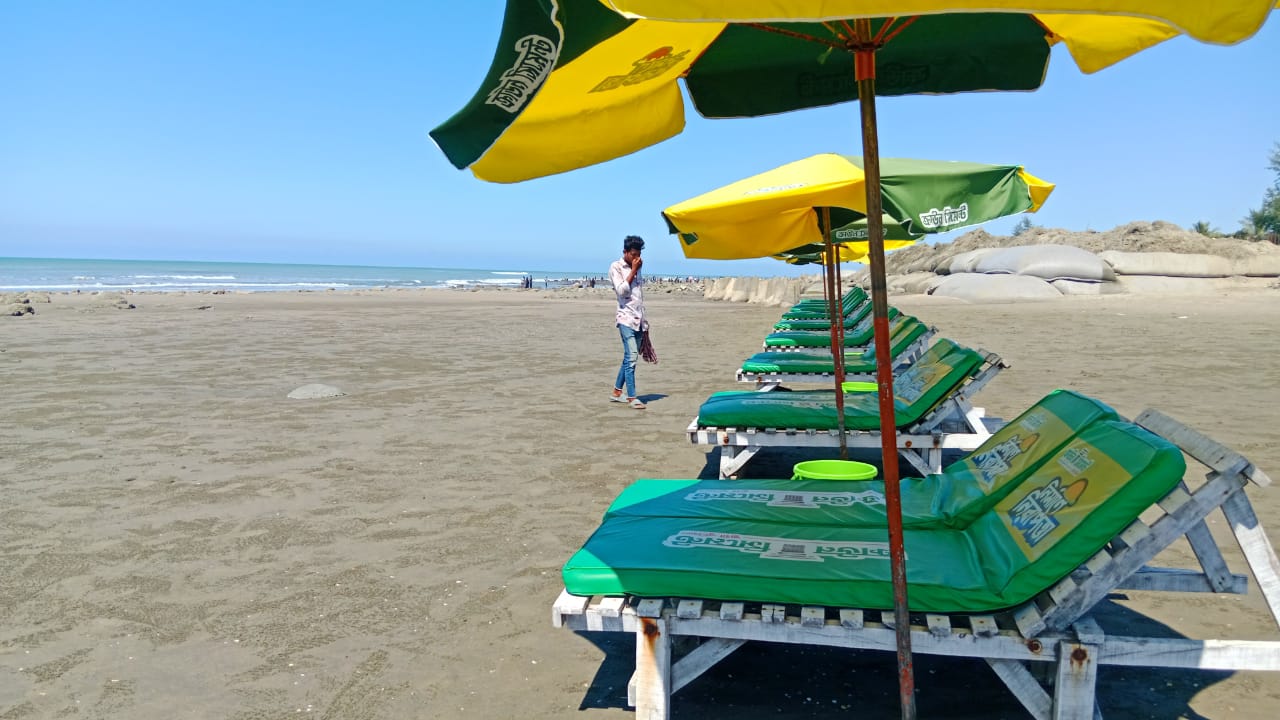
If you ask most travelers to name the world’s longest beach, you’ll get guesses like Australia’s Ninety Mile Beach or Brazil’s Praia do Cassino. Almost nobody says Cox’s Bazar and that’s exactly what makes it worth talking about.
Tucked into the southeastern corner of Bangladesh, along the curve of the Bay of Bengal, Cox’s Bazar Beach runs for roughly 120 kilometers (about 75 miles) of unbroken sand, with no harbors, no rocky headlands, and no walls of resort towers cutting it into pieces. It’s one of the longest natural sea beaches on Earth, and depending on which stretch you count, some sources push the figure closer to 125 kilometers.
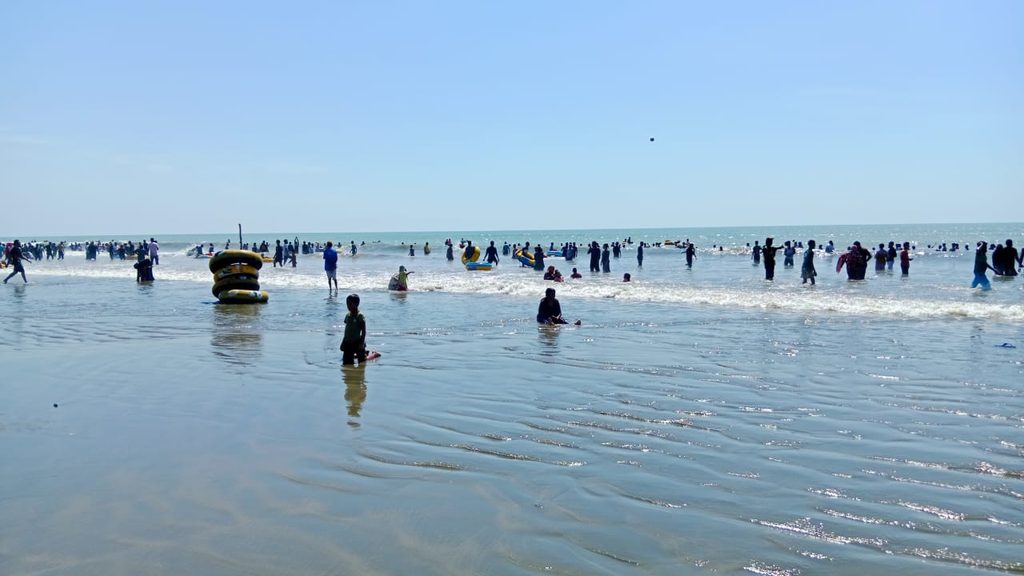
For a beach this size, it remains strangely under the radar outside South Asia. Domestically, it’s the single most popular tourist destination in the country millions of Bangladeshis travel here every year for honeymoons, family holidays, and college trips. Internationally, though, Cox’s Bazar barely registers next to Phuket, Bali, or Goa.
That’s changing slowly as new hotels, a modernized airport, and a direct express train from Dhaka make the trip easier than it’s ever been. But for now, it still has the feel of a beach that belongs to the people who actually live near it, rather than one built entirely for outsiders.
This guide walks through everything you need to know before visiting Cox’s Bazar Beach Bangladesh: what makes it unique, when to go, how to get there, where to stay, what to do once you arrive, and the day trips nearby that make this stretch of coastline worth more than a single afternoon.
Where Is Cox’s Bazar Beach, and Why Is It Famous?
Cox’s Bazar is a coastal town in the Chattogram (Chittagong) Division of Bangladesh, close to the border with Myanmar. It sits about 150 kilometers south of the port city of Chittagong and roughly 400 kilometers from the capital, Dhaka. The town itself is unremarkable in size, home to a little over 50,000 permanent residents, but its beach dwarfs the population that surrounds it.
The beach’s defining feature is continuity. Most long beaches around the world are broken up by river mouths, cliffs, piers, or private property. Cox’s Bazar isn’t. From the town’s edge near Laboni Point, the sand keeps going past Himchari, past Inani, past Patuartek all the way down toward Teknaf near the Myanmar border. At high tide, the beach narrows to around 200 meters wide; at low tide, it can stretch out to 400 meters, revealing packed, walkable sand that goes on for what feels like forever.
There’s a story behind the town’s name, too. It’s named after Captain Hiram Cox, a British East India Company officer who was posted to the area in the late 18th century to help resettle Arakanese refugees fleeing conflict in what is now Myanmar. Cox died before finishing his work, and a market (“bazar” in Bengali) was later established and named in his honor.
The town grew up around that market and eventually around the beach itself, which locals and Bengali speakers call Panowa an older name that’s fallen out of common use but still shows up in historical texts.
Long before Cox arrived, the wider Chittagong region had already passed through the hands of Arakanese kings and, later, the Mughal Empire, which took control in the 1660s. That layered history is still visible a short drive from the beach, in Buddhist monasteries, old mosques, and a religious diversity that’s unusual for a small Bangladeshi town a reflection of centuries of trade and migration along this coastline.
Quick Facts About Cox’s Bazar Beach
Before diving into logistics, here’s a snapshot of the essentials:
- Length: Approximately 120–125 km of unbroken natural sand, making it one of the longest sea beaches in the world.
- Location: Cox’s Bazar District, Chattogram (Chittagong) Division, southeastern Bangladesh.
- Nearest major city: Chittagong, about 150 km north.
- Distance from Dhaka: Roughly 400 km by road, 8–9 hours by bus, about 8.5 hours by direct train, or under an hour by air.
- Beach width: Around 200 meters at high tide, up to 400 meters at low tide.
- Water: The Bay of Bengal warm year-round, with a gentle slope in most areas but strong currents in specific spots.
- Best known for: Sunrise and sunset views, long beach walks, fresh seafood, and easy access to Himchari, Inani Beach, and Maheshkhali Island.
- Peak season: November through February (cool, dry weather).
Best Time to Visit Cox’s Bazar Beach Bangladesh
Bangladesh has a tropical monsoon climate, and Cox’s Bazar’s weather swings hard between seasons. Timing your trip well makes a real difference to how much you enjoy the beach.
Winter (November to February): is the sweet spot. Daytime temperatures typically sit in the comfortable low-to-mid 20s Celsius (mid-70s Fahrenheit), humidity drops, skies are mostly clear, and rain is rare. This is also peak tourist season, so hotel prices climb and the beach gets crowded, especially around national holidays and weekends. If you want the best weather and don’t mind company, this is your window.
Summer (March to May): brings rising heat and humidity, with daytime temperatures often pushing past 30°C (86°F). The sea itself is warm and inviting during this period, and if you can tolerate the heat, you’ll find noticeably thinner crowds and lower prices on rooms.
Monsoon season (June to September): is the wettest and least predictable stretch of the year. Heavy rain, rough surf, and occasional cyclone warnings are common along this coast during monsoon months, and swimming conditions can turn dangerous with little notice. Some travelers still visit for the dramatic skies and near-empty beach, but it’s not the season to plan a relaxed swimming holiday, and you should watch weather advisories closely if you do go.
Shoulder season (October and early November): often strikes a nice balance the rains are tapering off, temperatures are dropping, and the crowds haven’t fully arrived yet. If your schedule is flexible, this can be an underrated time to visit.
Whatever season you choose, check tide tables before you go. Cox’s Bazar’s dramatic difference between high and low tide changes the whole character of the beach low tide opens up huge stretches of firm sand perfect for walking or driving jeeps along the shore, while high tide narrows the usable beach considerably.
How to Get to Cox’s Bazar
Getting to Cox’s Bazar has gotten noticeably easier in recent years, and you now have three realistic options from Dhaka: flying, taking the train, or riding a long-distance bus.
By Air
Flying is the fastest way to reach Cox’s Bazar, and for many travelers especially those short on time it’s worth the extra cost. Several airlines, including Biman Bangladesh Airlines, US-Bangla Airlines, NovoAir, and Air Astra, operate multiple daily flights between Dhaka’s Hazrat Shahjalal International Airport and Cox’s Bazar Airport.
The flight itself takes under an hour, and with roughly six to eight departures a day, you have plenty of flexibility. One-way fares vary widely depending on how far ahead you book, generally ranging from around $50 to $100+, with prices spiking around holidays and peak season. Cox’s Bazar Airport has also been upgraded in recent years to accommodate international flights, part of a broader push to open the destination up to overseas tourists.
By Train
This is one of the newer and more scenic ways to make the trip. Bangladesh Railway launched direct intercity train service between Dhaka and Cox’s Bazar, running trains such as the Cox’s Bazar Express and the Parjatak Express along a route that connects through Chittagong. The journey covers around 550 km and takes about eight hours, with both AC and non-AC seating, sleeper options on some services, and food available on board.
Tickets are inexpensive relative to flying, and the ride itself especially the final stretch as the line approaches the coast offers some genuinely pretty scenery through Bangladesh’s countryside and hill tracts. If you’ve got the time and want a more grounded, unhurried way to arrive, the train is a great choice.
By Bus
Bus travel is the cheapest and most flexible option, with dozens of operators running daily coaches from Dhaka’s Gabtoli and other terminals directly to Cox’s Bazar. The trip takes roughly 8 to 11 hours depending on traffic, road conditions, and how many stops the bus makes along the way.
Companies like Green Line, Shyamoli, Hanif, and Ena run a range of classes, from standard non-AC coaches to more comfortable AC “Business Class” or sleeper-style seating. Overnight buses are popular since you sleep through most of the journey and arrive at your destination in the early morning, ready to head straight to the beach.
Getting Around Once You’re There
Cox’s Bazar town and its beach areas are compact enough to explore on foot or by rickshaw for short distances. For trips down the coast to Himchari, Inani, or further south toward Teknaf, most visitors hire a CNG auto-rickshaw, a private car, or a motorbike for the day. Beach jeeps and motorbikes are also commonly rented for riding along the firmer sand at low tide, though this should be done cautiously and with a local guide if you’re unfamiliar with tide timing.
Choosing Your Beach
Cox’s Bazar isn’t one continuous strip of hotels it’s a series of distinct beach zones, each with its own character, and picking the right one shapes your whole trip.
Laboni Point is the beach closest to the town center and the most convenient base for first-time visitors. It’s within walking distance of markets, restaurants, and a wide range of hotels from budget guesthouses to mid-range chains. It’s also the busiest and most crowded section, particularly on weekends and holidays, so don’t expect solitude here.
Sugandha Point, just north of Laboni, has a similar mix of energy and convenience, with beachside shacks, vendors, and a lively evening atmosphere. It’s a solid choice if you want to be in the middle of things without straying too far from town.
Kolatoli Beach, a bit further south, is where most of the larger international-standard hotels and resorts have concentrated in recent years. It tends to feel calmer and more polished than Laboni or Sugandha, with better infrastructure and cleaner stretches of sand, making it popular with families and couples looking for a more resort-style stay.
Himchari and beyond, further south still, offer a quieter, more nature-focused experience, with fewer hotels and a stronger sense of being away from the crowds though you’ll trade some convenience for that peace.
Accommodation in Cox’s Bazar spans a genuinely wide range. Budget guesthouses near the town center can run as low as a few dollars a night, while international-standard resorts along Kolatoli and further south offer sea-view rooms, pools, and full-service amenities at prices comparable to mid-range hotels elsewhere in Asia. Booking ahead is strongly recommended during winter weekends and Bangladeshi public holidays, when rooms fill up fast and prices can double.
Top Things to Do at Cox’s Bazar Beach
Walk the Beach at Sunrise or Sunset
This sounds almost too simple to list, but it’s genuinely the main event. Because the beach faces the Bay of Bengal with very little development crowding the shoreline in most stretches, both sunrise and sunset here are dramatic, uninterrupted, and quietly humbling once you’re standing on sand that seems to disappear into the horizon in both directions. Early morning is also the best time to walk long distances, before the heat and crowds build up.
Swim — Carefully
The Bay of Bengal at Cox’s Bazar has a gentle slope in many areas, which makes for pleasant wading and swimming, especially near the main beaches like Laboni and Kolatoli where lifeguards and designated swimming zones are more common. That said, this coastline is known for rip currents in certain spots, and quicksand has been reported during ebb tide in some areas. Stick to marked swimming zones, pay attention to warning flags, and never swim alone or far from shore, particularly outside the main tourist beaches where supervision is minimal.
Ride a Beach Jeep or Horse Along the Shore
At low tide, the exposed sand becomes firm enough to drive on, and renting an open-top jeep or hopping on a horse for a ride along the coastline is one of the more popular activities among domestic tourists. It’s touristy, sure, but there’s something genuinely fun about covering a few kilometers of beach this way, especially with the scale of the coastline stretching out around you.
Try Parasailing, Jet Skiing, or Surfing
Water sports operators cluster around the busier beach zones, offering parasailing rides, jet ski rentals, and banana boat trips, especially during peak season. Surfing has also slowly taken root here a small community of local and visiting surfers has been building out board rentals and informal lessons, taking advantage of the swell that rolls in from the Bay of Bengal, particularly outside the calmest months. It’s not a world-class surf destination yet, but if you’re curious, it’s an interesting way to experience the beach from the water rather than the sand.
Explore Laboni Point’s Markets and Street Food Stalls
The stretch of shops and stalls near Laboni Point is worth a wander even if you’re not buying anything. Vendors sell dried fish, shell crafts, jewelry made from local materials, and souvenirs aimed at domestic tourists, alongside food stalls grilling fresh catch right on the sand. It’s a good place to get a feel for how Bangladeshis themselves experience this beach as a lively, social space rather than a quiet retreat.
Watch the Fishing Boats Come In
Cox’s Bazar remains an active fishing port, and watching the traditional wooden boats some still built using generations-old carpentry techniques head out or return with the day’s catch is a quietly compelling scene, especially near the harbor areas away from the main tourist beach. These boats, with their distinctive curved silhouettes, are as much a symbol of this coastline as the sand itself.
Visit at Night
The main beach areas near town don’t fully shut down after sunset. Food stalls stay open, families stroll along the sand, and the string of lights from beachfront restaurants creates a different, more social atmosphere than the daytime beach scene. If you’ve only pictured Cox’s Bazar as a daytime destination, an evening walk changes that impression.
Day Trips and Nearby Attractions
One of the best things about basing yourself in Cox’s Bazar is how much there is to see within a short drive. The beach may be the headline, but the surrounding area rewards a bit of exploring.
Himchari National Park
About 18 kilometers south of Cox’s Bazar town, Himchari sits where a range of low hills meets the sea, creating small waterfalls, forested trails, and viewpoints that overlook the coastline from above. It’s a popular half-day trip, easily combined with a stop at the beach on the way, and offers a nice contrast to the flat expanse of sand a chance to see the coast from a hillside instead of from the water’s edge.
Inani Beach
Roughly 30 kilometers south of town, Inani Beach is technically part of the same continuous shoreline but has its own identity, largely thanks to the coral stones scattered along parts of the sand a rarity for this stretch of coast. The coral fragments, often black or greenish in color, are more visible during the summer and rainy months.
Inani tends to be quieter and less developed than the beaches closer to town, making it a good choice if you want a more peaceful stretch of sand without giving up beach access entirely. A newer stretch of coastal marine drive connects Cox’s Bazar town to Inani and beyond, making the trip smooth and scenic.
Maheshkhali Island
A short boat ride across the channel from Cox’s Bazar, Maheshkhali Island offers a different pace entirely. Known for its salt fields, betel leaf cultivation, and the hilltop Adinath Temple a significant Hindu pilgrimage site the island gives visitors a glimpse of rural coastal life away from the tourist strip. It’s a popular half-day or full-day excursion, often combined with a stop at the island’s small but interesting local market.
Ramu
Inland from Cox’s Bazar, the small town of Ramu is home to several notable Buddhist monasteries, reflecting the significant Rakhine and Buddhist communities that have lived in this region for generations. The area’s monasteries and the reclining Buddha statue at Ramu draw visitors interested in the region’s religious and cultural diversity, which stands in contrast to the Muslim-majority character of much of the rest of the country.
Teknaf and Saint Martin’s Island
Further south, near the Myanmar border, the town of Teknaf serves as the departure point for boats to Saint Martin’s Island, Bangladesh’s only coral island. Note that ferry access to Saint Martin’s has faced periodic restrictions and seasonal closures in recent years due to regional security concerns and environmental protection measures, so it’s worth checking current conditions before planning a trip there. When accessible, the island offers clear water, coral reefs, and a much more remote, laid-back atmosphere than the mainland beaches.
What to Eat in Cox’s Bazar
Given its location on the Bay of Bengal, it’s no surprise that seafood dominates the food scene here, and it’s genuinely one of the highlights of a visit.
Rupchanda fish fry is something of a local specialty a type of pomfret, often battered and deep-fried whole, sold at beachside stalls and small restaurants. It’s simple, filling, and best eaten fresh off the grill while sitting near the sand. Beyond rupchanda, expect an abundance of prawns, crab, squid, and a wide variety of local fish, often prepared with the mustard-oil-and-spice base typical of Bengali cooking, or simply grilled with salt, lime, and chili.
Street food stalls along the main beach areas sell everything from fresh coconut water and fried snacks to spiced fruit chaat and sweets. For a fuller meal, Cox’s Bazar’s restaurant scene ranges from simple local eateries serving rice, dal, and fish curry to more polished restaurants attached to the larger hotels, some offering both Bengali and international menus.
If you’re adventurous, trying dried fish (shutki) pungent, intensely flavored, and something of an acquired taste is a way to sample a dish that’s deeply woven into the region’s coastal food culture.
Note that Cox’s Bazar, like most of Bangladesh, is a predominantly Muslim area, so alcohol is not widely available outside a handful of licensed hotel bars catering to tourists, and public consumption is not the norm.
The People and Culture Around the Beach
Part of what makes Cox’s Bazar interesting is who you’ll share the sand with. Unlike beach destinations built primarily around foreign tourism, this stretch of coastline is, first and foremost, a Bangladeshi holiday spot. Families travel from Dhaka, Chittagong, and towns across the country to spend a few days here, often as a first trip to the sea for children who’ve grown up hundreds of kilometers inland.
Newlyweds are a common sight too Cox’s Bazar has a long-standing reputation as a honeymoon destination, and it’s not unusual to see couples posing for photos against the sunset at Laboni Point.
The surrounding district also carries a distinct ethnic and religious mix that sets it apart from much of the rest of Bangladesh. Rakhine communities, with roots tracing back to historical Arakan (in present-day Myanmar), have lived in this region for generations, and their influence shows up in the Buddhist monasteries scattered around Ramu and Maheshkhali.
Add in a long history as a trading port, and Cox’s Bazar ends up with a more layered cultural identity than its size would suggest worth keeping in mind if you only think of the area as “the beach town.”
It’s also worth acknowledging, respectfully and without turning it into the focus of a beach trip, that Cox’s Bazar district has hosted one of the world’s largest refugee settlements in recent years, following displacement from Myanmar’s Rakhine State.
The camps are located well outside the tourist beach areas, and travelers visiting for leisure are unlikely to encounter them directly, but it’s part of the region’s recent history and a reason the area occasionally appears in international news for reasons unrelated to tourism.
Shopping and Souvenirs
Beyond the food stalls, the strip near Laboni Point and Sugandha Point doubles as Cox’s Bazar’s main shopping district, and it’s worth setting aside an hour or two to browse even if you’re not a dedicated souvenir hunter.
Shell and coral jewelry is everywhere, alongside dried marine curiosities like preserved starfish and pufferfish though it’s worth thinking twice about buying items made from protected or endangered marine life, since demand for these souvenirs contributes to unsustainable harvesting along the coast. Better alternatives include locally woven textiles, wooden handicrafts, and dried fish products packaged for travel, all of which are widely available and easier to justify bringing home.
Bargaining is expected almost everywhere along this strip, and prices for tourists are often set with negotiation built in from the start. A friendly, unhurried approach tends to work better than an aggressive one, and it’s common for vendors to warm up once you’ve shown genuine interest rather than just glancing and walking on.
Practical Tips and Safety Advice
A little preparation goes a long way at Cox’s Bazar, especially since some of its natural features — the extreme tidal range, occasional quicksand, and strong currents in certain zones — aren’t always obvious to first-time visitors.
Respect the water. Swim only in areas with lifeguards or clear local guidance, particularly around Laboni and Kolatoli where supervision is more consistent. Rip currents can develop quickly, and conditions that look calm from the shore aren’t always safe once you’re in the water.
Watch the tide, not just the clock. The dramatic shift between high and low tide changes which parts of the beach are walkable, swimmable, or driveable at any given moment. If you’re planning a long beach walk or a jeep ride along the sand, check tide times in advance so you’re not caught by rising water far from your starting point.
Dress modestly. Bangladesh is a conservative, Muslim-majority country, and while the tourist beaches at Cox’s Bazar are more relaxed than a typical Bangladeshi town, it’s still respectful and generally more comfortable for you to avoid skimpy swimwear on the main public beach. Many domestic tourists, especially women, swim fully clothed. Modest swimwear or a t-shirt and shorts over a swimsuit is the norm and helps you avoid unwanted attention.
Bring sun protection. Between the tropical sun and the reflective glare off the sand and water, sunburn happens fast here. Sunscreen, a hat, and lightweight, breathable clothing are worth packing regardless of season.
Carry cash. While larger hotels and some restaurants accept cards, many smaller vendors, rickshaws, and local eateries operate on cash only. ATMs are available in town but can be sparse further along the beach road.
Bargain where appropriate. Prices at beachside stalls, souvenir shops, and with rickshaw or CNG drivers are often negotiable, especially if you’re not staying within the main hotel zones. A polite, friendly approach to bargaining is standard practice here.
Be mindful during monsoon season. If you’re visiting between June and September, keep an eye on weather advisories. This coastline can be affected by cyclones and heavy storm activity, and local authorities do issue warnings and beach closures when conditions turn dangerous.
Support responsible tourism. As visitor numbers grow, waste management and environmental protection have become real concerns along this stretch of coast. Avoid single-use plastics where you can, dispose of trash properly, and be mindful of coral areas around Inani and Saint Martin’s, which are fragile and slow to recover from damage.
A 3-Day Cox’s Bazar Itinerary
If you’re short on time, here’s a straightforward way to structure a first visit.
Day 1: Arrival and Orientation Arrive by flight, train, or bus and check into your hotel, ideally around Laboni Point or Kolatoli. Spend the afternoon getting oriented walk the main beach, dip your feet in the water near a lifeguarded zone, and browse the stalls near Laboni Point. Catch sunset from the beach, then have dinner at one of the seaside restaurants, making sure to try a fresh fish fry.
Day 2: Himchari and Inani Beach Hire a CNG or car for a day trip south along the marine drive. Stop first at Himchari National Park for the waterfalls and hilltop viewpoints, then continue on to Inani Beach to see the coral stones and enjoy a quieter stretch of sand. Head back to Cox’s Bazar in the late afternoon, leaving time for another sunset on the main beach before dinner.
Day 3: Maheshkhali Island or Ramu Spend your final day on a boat trip to Maheshkhali Island to see the Adinath Temple and get a sense of local island life, or head inland to Ramu to explore its Buddhist monasteries if cultural sites interest you more than another beach. Wrap up with a final evening walk along the sand and, if timing allows, one last fresh seafood dinner before departing the next day.
If you have more time five to seven days consider extending south toward Teknaf and, conditions permitting, Saint Martin’s Island, which adds a genuinely different, more remote coastal experience to the trip.
FAQs
Is Cox’s Bazar really the world’s longest beach?
It’s widely described as the longest natural, unbroken sea beach in the world, though exact length estimates vary by source, ranging from about 100 to 125 kilometers depending on how the measurement is taken and where the beach is considered to end.
Is Cox’s Bazar safe for tourists?
es, the main tourist areas are generally considered safe and see heavy domestic tourist traffic year-round. As with any beach destination, exercise normal caution with valuables, follow lifeguard guidance in the water, and stay aware of tide conditions.
How many days do you need in Cox’s Bazar?
Three days is enough to see the main beach, Himchari, and Inani Beach comfortably. If you want to include Maheshkhali Island, Ramu, or a trip further south toward Teknaf and Saint Martin’s Island, plan for five to seven days.
Can foreign tourists visit Cox’s Bazar easily?
Yes. Bangladesh issues visas to most nationalities, either on arrival or through e-visa systems depending on your country of citizenship, and Cox’s Bazar itself has an airport with growing connectivity. It’s worth checking current visa requirements for your nationality before booking.
1 thought on “Cox’s Bazar Beach Bangladesh”