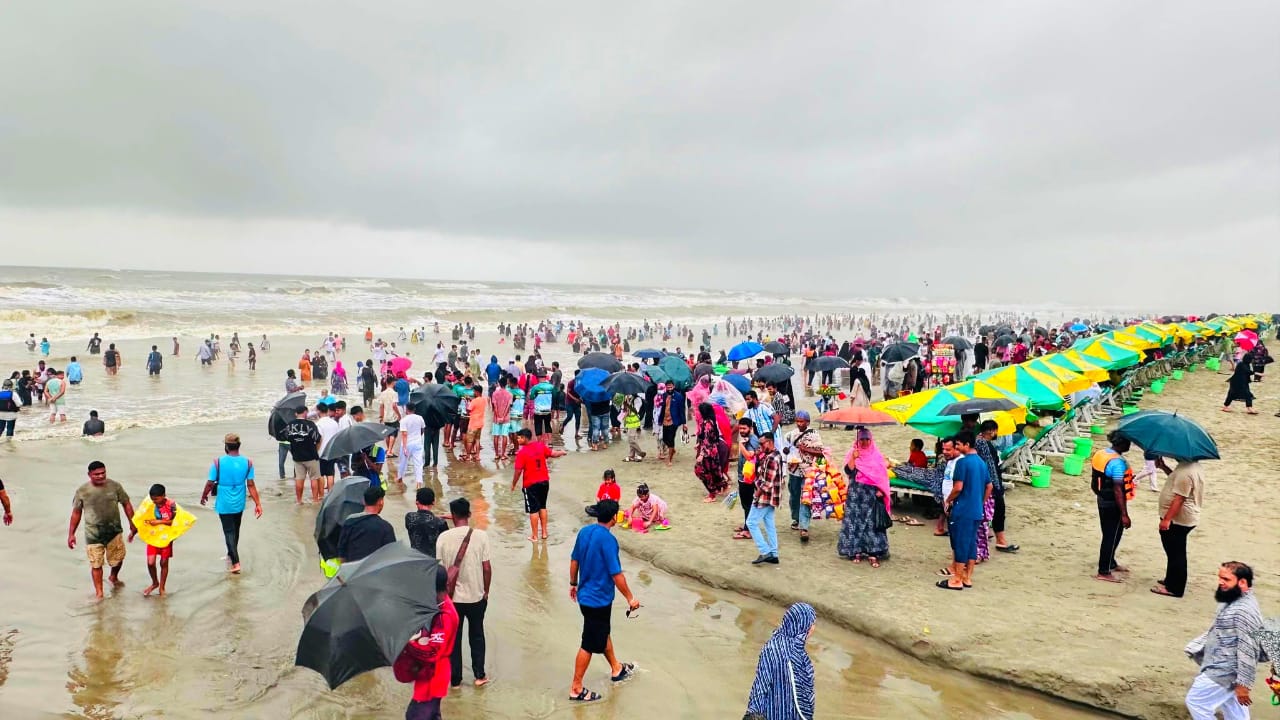
If you’ve ever wondered which country is home to the world’s longest unbroken sea beach, the answer might surprise you. It isn’t found in Australia, Brazil, or the Caribbean it’s tucked away in the southeastern corner of Bangladesh, a country better known internationally for its rivers and rice paddies than its coastline. That beach is Cox’s Bazar, and once you learn what it actually offers, it’s easy to understand why millions of travelers, mostly from within Bangladesh but increasingly from abroad, make the journey to walk its sand every year.
This guide covers everything you need to know about Cox’s Bazar: how long it really is, why it holds its famous title, what there is to see and do, when to visit, how to get there, and practical tips for making the most of your trip.
Where Is Cox’s Bazar and Why Is It Famous?
Cox’s Bazar is a coastal town and district in the Chattogram (Chittagong) Division of southeastern Bangladesh, sitting on the shore of the Bay of Bengal. It lies roughly 150 kilometers south of the port city of Chittagong and around 400 kilometers from the capital, Dhaka.
What makes this stretch of coastline extraordinary is its length. Cox’s Bazar Beach is widely cited as running for approximately 120 kilometers (about 75 miles) of continuous, unbroken sand free of the rocky outcrops, cliffs, or built-up marinas that interrupt many of the world’s other famous beaches. Some older sources and local tourism materials describe the total shoreline.
Including connected stretches, as long as 150–155 kilometers, but the figure most commonly used today, including by Wikipedia and most travel authorities, is the 120-kilometer measurement. Either way, the sheer scale of the place is what earns it the world longest label, and it’s frequently ranked among the five longest natural beaches on the planet, alongside beaches in Brazil, the United States, and Australia.
At high tide, the beach averages around 200 meters wide; at low tide, that width can stretch to 400 meters, exposing a vast, hard-packed sandy plain perfect for long walks, horseback rides, or simply sitting and watching the Bay of Bengal roll in.
A Brief History of the Cox’s Bazar
The name “Cox’s Bazar” has an unusual origin story for a Bengali coastal town. It’s named after Captain Hiram Cox, a British East India Company officer who worked in the area during the late 18th century, helping resettle Arakanese refugees fleeing conflict in what is now Myanmar. After Cox’s death in 1799, a market (bazaar) was established in the area and named in his honor. Before that, the region went by several older names, including Palongki and Panowa.
What began as a small resettlement town and market center gradually grew into a fishing port, then a health resort during the colonial era, and finally into the sprawling tourism hub it is today now home to hundreds of hotels, resorts, and guesthouses catering to everyone from backpackers to luxury travelers.
How Long Is the Beach, Really?
This is the question most visitors ask first, and the honest answer is that exact figures vary slightly depending on the source and how the measurement is taken. The beach isn’t a single, uniformly named strip it’s really a chain of connected beach sections that together form one long, unbroken coastline:
- Laboni Beach – The main and most crowded section, closest to Cox’s Bazar town itself.
- Sugandha Beach – Just south of Laboni, slightly quieter, popular for sunrise walks.
- Kolatoli Beach – Home to many of the newer luxury hotels and resorts.
- Himchari Beach – South along the coast, bordering Himchari National Park.
- Inani Beach – Roughly 18 kilometers of beach further south, known for its unique coral rock formations.
Taken together, this connected shoreline is what gives Cox’s Bazar its “world’s longest” reputation. Whichever exact figure you go with, the experience on the ground is the same: an almost impossibly long horizon of golden sand disappearing into the haze, with barely a building or rock formation breaking the view for kilometers at a stretch.
Getting to Cox’s Bazar
Reaching Cox’s Bazar has become significantly easier in recent years thanks to infrastructure investment, including a domestic airport upgrade and improved highways.
By air: The fastest option is a direct flight from Dhaka’s Hazrat Shahjalal International Airport to Cox’s Bazar Airport, a journey of roughly 45 minutes to an hour. Several domestic carriers operate multiple daily flights, especially during peak tourist season, making this the preferred choice for travelers short on time.
By bus: Comfortable, air-conditioned coach services run overnight from Dhaka to Cox’s Bazar, typically taking around 8 to 10 hours depending on road conditions. This is the most budget-friendly option and a popular choice among domestic tourists, many of whom prefer to travel overnight and arrive refreshed in the morning.
By train: In recent years, direct rail service between Dhaka and Cox’s Bazar has also become available, following the completion of a new rail line connecting Chittagong to Cox’s Bazar — a long-anticipated infrastructure project that has made the coastal town more accessible than ever.
By private car or rental: Some travelers choose to drive, particularly those combining a Cox’s Bazar trip with stops in Chittagong city along the way.
Once you arrive, the town itself is compact enough to explore on foot, while rickshaws, CNG auto-rickshaws (three-wheeled taxis), and rented motorbikes make it easy to reach beaches and attractions further afield.
Top Things to Do in Cox’s Bazar
While the beach itself is the headline attraction, Cox’s Bazar and its surrounding district offer far more than sand and surf. Here’s a rundown of the experiences that keep visitors coming back.
1. Walk (or Ride) the Beach at Sunrise or Sunset
There’s a reason so many photos of Cox’s Bazar are taken at dawn or dusk. The flat, open horizon over the Bay of Bengal creates some of the most dramatic sunrise and sunset views in South Asia, with the sky and water shifting through shades of orange, pink, and deep red. Early morning on Sugandha or Laboni Beach is quiet, cool, and largely free of crowds ideal for a long walk or jog along the shoreline.
In the evening, locals and tourists alike gather on the sand to watch the sun dip into the water, often accompanied by street food vendors selling roasted corn, fried snacks, and fresh coconut water.
2. Explore the Cox’s Bazar–Teknaf Marine Drive
One of the most scenic ways to experience the region is by traveling along the Cox’s Bazar–Teknaf Marine Drive, an 80-kilometer coastal road connecting Cox’s Bazar town to the southern town of Teknaf. Inaugurated in 2017 after decades of planning and construction setbacks (including sections that were literally washed away by the sea during earlier building attempts).
It’s often described as one of the longest marine drives of its kind in the world. The road hugs the coastline, weaving between the Bay of Bengal on one side and forested hills on the other, and is a popular route for renting a motorbike or jeep and simply driving for the views.
3. Hike Himchari National Park
A short distance south of Cox’s Bazar town, Himchari National Park offers a green, hilly contrast to the flat beach landscape. Established in 1980 as a conservation area, the park is covered in tropical forest and grassland, and features a modest waterfall that’s most impressive during the monsoon months (roughly July through September), when it’s fed by heavy seasonal rain.
A manageable hike of around 20 to 30 minutes up a well-maintained trail leads to a viewpoint with sweeping panoramas: the Bay of Bengal stretching out on one side, green hills rolling away on the other, and the Marine Drive curling along the coast far below. It’s a favorite spot for photography, particularly in the morning before the sea haze sets in.
4. Visit Inani Beach for Its Coral Rocks
About 30-plus kilometers south of Cox’s Bazar town lies Inani Beach, an 18-kilometer stretch that forms part of the greater Cox’s Bazar coastline. What sets Inani apart is its scattering of coral stones along the sand dark, sharp-edged rock formations that are especially visible during low tide in the summer and monsoon months. It’s a quieter, less commercial alternative to the main beaches near town, and a favorite stop for travelers exploring the Marine Drive.
5. Take a Day Trip to Saint Martin’s Island
Further south, near the tip of the Teknaf peninsula, boats depart for Saint Martin’s Island, Bangladesh’s only coral island. The crossing takes a few hours from Teknaf, but the reward is a small, laid-back island with clear turquoise water, coral reefs, and a noticeably different pace of life from the mainland. Many visitors combine a Cox’s Bazar trip with a two- or three-day extension to Saint Martin’s for snorkeling, seafood, and simply unplugging from the mainland’s bustle.
6. Visit the Buddhist Temples and Rakhine Community
Cox’s Bazar’s population includes a significant Rakhine (Marma) community, whose Buddhist heritage adds a distinct cultural layer to the region. Several Buddhist temples and monasteries dot the town and surrounding areas, offering a glimpse into a religious and cultural tradition quite different from the Muslim-majority culture found across most of Bangladesh.
Local markets selling handwoven textiles, handicrafts, and traditional Rakhine goods are worth browsing, both for souvenirs and for a taste of the area’s cultural diversity.
7. Try the Local Seafood
No visit to Cox’s Bazar is complete without sampling the seafood. As a major fishing port, the town has direct access to some of the freshest catch in the country. Grilled or fried pomfret, prawns, crab, squid, and the famously pungent shutki (dried, fermented fish) are all local specialties. Beachside restaurants and stalls serve everything from casual fried fish snacks to elaborate seafood platters, and the Rupchada (a type of pomfret) is particularly popular among visitors.
8. Ride a Beach Bike, Horse, or Quad
Along the main beach stretches near town, it’s easy to rent a bicycle, quad bike, or even take a short horseback ride along the sand a fun, low-effort way to cover more ground than walking allows, particularly for families traveling with children.
9. Visit the Bangabandhu Safari Park
Located roughly 50 kilometers from Cox’s Bazar town along the Chittagong-Cox’s Bazar road, this safari park was Bangladesh’s first of its kind, built as an extension of an existing elephant sanctuary. Visitors can explore the park by bus, jeep, or on foot to see native wildlife, including domesticated elephants available for rides, in a semi-natural setting.
Best Time to Visit Cox’s Bazar
Bangladesh has a tropical monsoon climate, and Cox’s Bazar’s weather follows that pattern closely, which makes timing your visit an important part of planning.
November to March (peak season): This is by far the most popular time to visit. The weather is dry, temperatures are comfortable (typically in the low-to-mid 20s Celsius, or 70s Fahrenheit), the sea is calmer, and skies are clear for sunrise and sunset viewing. This period also coincides with Bangladesh’s cooler winter months, making it an appealing escape from the heat found elsewhere in the country at other times of year. Expect larger crowds, especially around public holidays and weekends, and book accommodation in advance if you’re traveling during this window.
April to June (pre-monsoon): Temperatures rise noticeably, and humidity increases as the region heads into the hotter part of the year. It’s still possible to visit, but midday heat can be intense, and afternoon thunderstorms become more frequent as the season progresses.
July to September (monsoon season): This is when Bangladesh receives the bulk of its annual rainfall, and Cox’s Bazar is no exception. Heavy rain, rough seas, and occasional cyclonic weather make this the least favorable time for a beach holiday, though the surrounding hills and Himchari’s waterfall are at their most dramatic during this period if you don’t mind getting wet. Sea conditions can also be genuinely hazardous for swimming during monsoon months, so exercise caution.
October (shoulder season): As the monsoon tapers off, October offers a nice middle ground — fewer crowds than peak season, cooling temperatures, and generally improving weather, though some residual rain is still possible early in the month.
For most travelers, the sweet spot is December through February, when the weather is at its most reliable and comfortable.
Where to Stay
Cox’s Bazar’s hospitality scene has expanded dramatically over the past two decades, and there’s now a wide range of accommodation to suit every budget.
- Luxury resorts: Several international-standard hotels and resorts line the Kolatoli and Laboni beach areas, offering beachfront rooms, swimming pools, and full-service amenities.
- Mid-range hotels: A large number of comfortable, well-reviewed hotels sit a short walk or ride from the main beach areas, offering good value for families and couples.
- Budget guesthouses: For backpackers and budget-conscious travelers, simple guesthouses are widely available in town, particularly around the Kolatoli and Laboni beach roads.
Given the volume of domestic tourism, especially around winter weekends and Bangladeshi public holidays, booking ahead is strongly advised if you’re visiting during peak season.
Making the Most of Your Time Cox’s Bazar
If you’re working with a limited schedule say, a long weekend or a stop as part of a broader Bangladesh trip here’s a sample plan that hits the highlights without feeling rushed.
Day 1: Arrive in Cox’s Bazar, check into your hotel, and spend the afternoon relaxing on Laboni or Kolatoli Beach. Watch the sunset from the sand before dinner at a beachside seafood restaurant.
Day 2: Start early with a sunrise walk on Sugandha Beach, then head south along the Marine Drive. Stop at Himchari National Park for the hillside viewpoint and waterfall (seasonal), then continue on to Inani Beach to explore the coral rock formations at low tide. Return to town in the afternoon for rest, a beach bike ride, or a quad tour, then catch the sunset again from a different vantage point along the shore.
Day 3: If time allows, take a boat from Teknaf out to Saint Martin’s Island for a change of pace — clear water, coral, and a slower island rhythm before returning to the mainland and heading home, or continuing your onward journey.
For travelers with more time, extending the trip to include an overnight stay on Saint Martin’s Island, or a detour to Chittagong city en route, rounds out the experience nicely.
Practical Tips for Visiting
Pack light, breathable clothing. Cotton fabrics, sandals, sunscreen, and a hat will serve you well regardless of season, and a light rain jacket is worth packing outside the peak dry months.
Respect local customs. Bangladesh is a conservative, Muslim-majority country, and while Cox’s Bazar is more tourist-oriented than most of the country, modest swimwear and clothing are appreciated, particularly away from designated swimming areas.
Watch for quicksand and tides. Certain stretches of the beach can develop patches of quicksand during ebb tide, so it’s worth staying aware of your surroundings, especially if wandering off the main beach areas, and always heeding any local warnings about swimming conditions.
Bargain respectfully. Whether renting a bike, hiring a boat, or shopping at local markets, some gentle negotiation is expected and part of the local culture.
Stay hydrated and sun-safe. Even in the cooler winter months, the coastal sun can be strong during midday hours, so sunscreen and water are essentials.
Try the street food, but choose carefully. The beachside food stalls offer some of the best casual eating in town, but as with anywhere, it’s worth choosing busy, well-reviewed vendors for the freshest options.
How Cox’s Bazar Compares to Other Famous Beaches
Calling a beach the “world’s longest” naturally invites comparison, and it’s worth putting Cox’s Bazar in context. Depending on how measurements are taken, Cox’s Bazar is often ranked among the top five longest natural beaches on Earth, sharing that list with Praia do Cassino in Brazil, Padre Island along the US Gulf Coast, Eighty Mile Beach in Western Australia, and Ninety Mile Beach in Victoria, Australia.
What sets Cox’s Bazar apart from several of these rivals isn’t just length but character: it’s a working beach in the fullest sense, backed by an active fishing port, a bustling town, forested hills, and a genuinely distinct cultural mix, rather than a remote, sparsely populated shoreline.
Where Eighty Mile Beach in Australia is prized for its isolation, Cox’s Bazar offers the opposite experience a lively, human, and thoroughly social beach destination, especially during the winter tourist season when the sand fills with families, vendors, and holidaymakers from across Bangladesh.
This social, communal atmosphere is part of what makes Cox’s Bazar such an interesting case study in beach tourism. It isn’t a quiet, private escape in the way a Maldivian resort island might be it’s closer in spirit to a lively public seafront, where locals and travelers mingle, where beach vendors sell everything from shell jewelry to fried snacks, and where the sheer scale of the sand means there’s always a quieter stretch to retreat to if the crowds near town aren’t your scene.
Budget and Costs
One of Cox’s Bazar’s underappreciated advantages is affordability. Compared to many international beach destinations, a trip here can be remarkably budget-friendly, particularly for travelers coming from within Bangladesh or South Asia.
Accommodation ranges widely, from simple guesthouses costing a fraction of what a comparable beachfront room would cost in Thailand or the Maldives, up to genuinely luxurious resort rooms with sea views, pools, and full amenities at the higher end of the market.
Food is similarly accessible. A full seafood meal at a beachside restaurant, including fresh grilled fish or prawns, typically costs far less than equivalent meals at other major beach destinations in the region, and street food snacks along the beach can be had for very little.
Transport is one of the more cost-effective parts of the trip too. Domestic flights from Dhaka are competitively priced, especially when booked ahead of peak season, while long-distance buses offer an even cheaper (if slower) alternative. Local transport around town CNGs, rickshaws, and rented motorbikes remains inexpensive by international standards.
This combination of low costs and high natural scenery is a big part of why Cox’s Bazar draws such heavy domestic tourism, and increasingly why budget-conscious international travelers are starting to take notice.
FAQs
Is Cox’s Bazar really the longest beach in the world?
Cox’s Bazar is widely described as the world’s longest unbroken natural sea beach, typically cited at around 120 kilometers, though it’s generally considered the longest in Asia and ranks among the top five longest natural beaches globally rather than being an undisputed single “longest beach on Earth” in every measurement system used internationally.
Is Cox’s Bazar safe for tourists?
Cox’s Bazar’s main tourist areas — the beach zones near town, the Marine Drive, and Himchari — are well-established parts of Bangladesh’s domestic tourism infrastructure and see a heavy volume of local and, increasingly, international visitors. As with any coastal destination, common-sense precautions around swimming conditions, tides, and sun exposure apply.
How many days do you need in Cox’s Bazar?
Three days is a comfortable amount of time to experience the main beach, take a drive along the Marine Drive to Himchari and Inani, and either relax further or extend to Saint Martin’s Island. A single day can work if Cox’s Bazar is just one stop on a broader Bangladesh itinerary, but it won’t allow time for the island extension.